How is the India-US Alliance Strengthening the Fight Against Transnational Drug Networks?
Synopsis
Discover how the India-US partnership is reshaping counter-narcotics strategies in a world grappling with drug crises. This alliance not only disrupts international drug networks but also promotes public health and economic stability. Learn about their collaborative efforts and the future of drug policy.
Key Takeaways
India and the US are enhancing counter-narcotics cooperation.
Major drug seizures and arrests have resulted from joint efforts.
The focus is on synthetic drugs and precursor chemicals.
This partnership aims to improve public health and economic stability.
Annual meetings foster deeper collaboration.
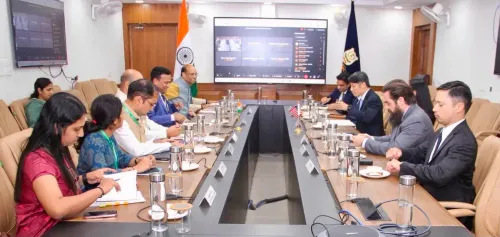
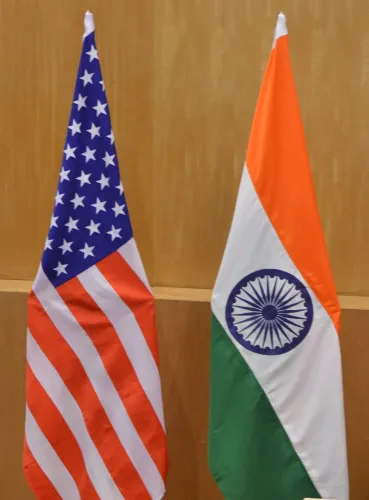
Washington/New Delhi, Nov 28 (NationPress) The growing collaboration between India and the United States in counter-narcotics efforts illustrates how common challenges can transform into enduring partnerships. This cooperation is proving effective in disrupting international drug trafficking networks, enhancing public health initiatives, and boosting economic stability in both nations, as highlighted in a report released on Friday.
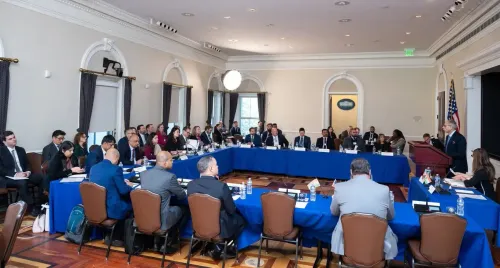
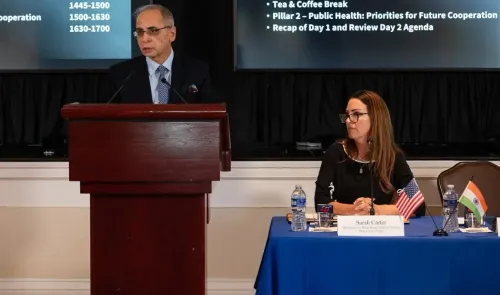
The report noted that the escalation of the India-US Counternarcotics Working Group to annual discussions—now gearing up for its sixth meeting—has resulted in significant drug seizures, arrests, and the dismantling of trafficking networks. It has also established a framework for stricter regulations on precursor chemicals and a wider array of harm reduction strategies.
According to the report, “India’s initiative to deepen anti-narcotics collaboration with the US signifies a pivotal shift in its foreign policy. It recognizes that the increasing threat from global drug networks poses direct risks to national security and public health across borders. The operational partnership between the two countries has intensified recently, successfully taking down major drug trafficking operations and developing strong institutional mechanisms.”
The report further elaborated, “The importance of this alliance lies in its goal to transition from reactive interdiction to a comprehensive, proactive drug policy that addresses not only supply but also public health, regulatory integrity, and the socio-economic consequences of drug abuse.”
Since the inception of the Counternarcotics Working Group in 2020, India and the US have moved beyond conventional enforcement collaboration, establishing annual meetings, expanding agendas, and enhancing information-sharing capabilities.
During the fifth meeting in October 2024 in New Delhi, agreements were reached to increase collaboration, particularly in combating synthetic drugs such as fentanyl and amphetamines, along with managing precursor chemicals. These strategic areas are crucial, considering India’s role as a leading producer and exporter of pharmaceuticals, against the backdrop of the global rise in synthetic opioids,” the report emphasized.
On Wednesday, Ministry of External Affairs (MEA) spokesperson Randhir Jaiswal remarked during a media briefing, “We possess a robust mechanism for information exchange between the US and India, resulting in significant seizures and arrests. Additionally, joint operations have successfully dismantled major transnational networks. This collaboration is a vital area of cooperation, and we aim to further enhance our joint efforts against narcotics.”
The report underscored that with synthetic opioids like fentanyl spreading globally, sustained joint intelligence, capacity building, and policy frameworks can safeguard millions from addiction, positioning both nations at the forefront of a modern drug policy model prioritizing prevention, enforcement, and treatment.
“In the end, this mutual commitment promises safer communities, thriving pharmaceutical industries, and a framework for multilateral action against evolving threats,” it concluded.
Point of View
It's clear that this alliance not only addresses immediate threats but also lays the groundwork for a safer future. The commitment to joint operations and collaborative frameworks signals a proactive approach that prioritizes public health and national security across borders. This is a pivotal moment in international drug policy.
NationPress
19 Sept 2026
Frequently Asked Questions
What is the India-US Counternarcotics Working Group?
The India-US Counternarcotics Working Group is a collaborative initiative established to enhance cooperation between India and the US in combating drug trafficking and related issues through information sharing and joint operations.
What are the key areas of focus for the India-US collaboration?
The collaboration focuses on disrupting transnational drug networks, controlling precursor chemicals, and addressing synthetic drugs like fentanyl and amphetamines.
How has the partnership evolved since its inception?
Since its inception in 2020, the partnership has transitioned from traditional enforcement to annual meetings, expanded agendas, and improved information-sharing mechanisms.
What are the implications of this partnership for public health?
This partnership aims to enhance public health protections by reducing the prevalence of addiction and increasing access to treatment and harm reduction strategies.
Why is this collaboration significant for both countries?
It is significant as it not only disrupts drug trafficking but also strengthens economic resilience and public health initiatives in both India and the US.