Are US Senators Concerned About the Pentagon's Dependence on Generic Drugs?
Synopsis
Two US Senators are sounding alarms about America's reliance on foreign generic drugs, suspecting potential risks to military readiness and national security. Their urgent plea to the Pentagon highlights vulnerabilities in the pharmaceutical supply chain, particularly concerning China and India. Learn more about their requests and the implications for American health and security.
Key Takeaways
Senators express concern regarding reliance on foreign generic drugs.
91% of prescriptions in the US are generic.
China and India are key players in pharmaceutical production .
Call for transparency in drug sourcing.
Urgent need for domestic procurement .
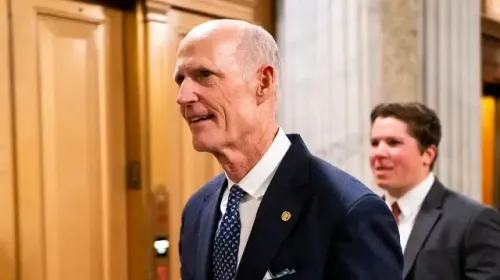
Washington, Feb 20 (NationPress) In a significant move, two prominent US Senators have reached out to the Secretary of Defense, Pete Hegseth, requesting information regarding the vulnerabilities present in America's pharmaceutical supply chain. They cautioned that an overreliance on foreign suppliers — especially Communist China and India — could potentially endanger military preparedness and national security.
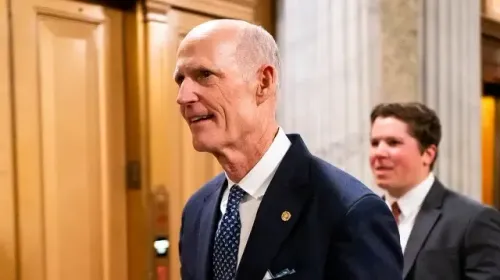
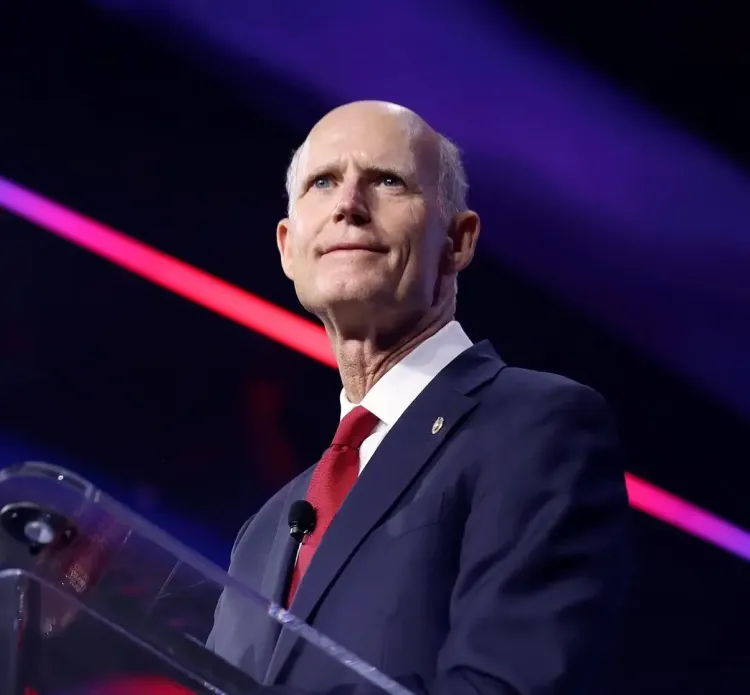
The correspondence, initiated by Rick Scott, Chairman of the US Senate Special Committee on Aging, along with Kirsten Gillibrand, the committee's Ranking Member, implores the Department to clarify how it is managing risks linked to key starting materials (KSMs), active pharmaceutical ingredients (APIs), and generic medications utilized by military personnel and veterans.
“The US Senate Special Committee on Aging is scrutinizing how vulnerable pharmaceutical supply chains pose threats to public health and national security,” the senators stated. “The Department is the key agency responsible for the health, safety, and readiness of our service members, playing a crucial role in securing access to vital medications.”
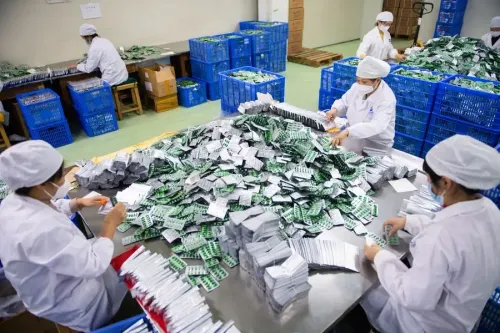
They pointed out that approximately 91 percent of prescriptions dispensed annually in the United States consist of generic drugs. “It is evident that numerous Americans, including active-duty members, reservists, veterans, retired personnel, and their families depend on generic drugs for health maintenance, chronic disease management, or recovery from illnesses,” they emphasized.
Furthermore, they remarked that China and India hold substantial importance in the production of KSMs and APIs essential for domestic drug manufacturing and distribution. The United States’ “limited operational oversight and governance over foreign sourcing and manufacturing of these essential materials signifies a vulnerability within the supply chain.”
The senators also highlighted “recent findings” indicating that the Food and Drug Administration has allowed exemptions for specific drugs or ingredients subject to import bans on foreign factories identified to operate under substandard conditions. They argued that permitting such facilities “enables substandard and potentially unsafe drugs to infiltrate the U.S. market” and named over 150 drugs and ingredients that have received exemptions since 2013, with many linked to factories in China and India.
Geopolitical instability adds another dimension of risk, they contended. Notably, despite a bilateral trade agreement concerning rare earth elements in April 2025, China imposed new export limitations in October. “This raises the alarming prospect that China could similarly impose restrictions on pharmaceutical exports amid future diplomatic or trade disputes,” the letter warned, cautioning that such disruptions could “compromise patient care and public health.”
The senators called on the Department to give priority to domestic procurement. “Dependence on China for crucial medications, particularly antibiotics, represents an existential threat to our military's operational capability,” they urged, advocating for “preferential purchasing of medications produced domestically.”
They also demanded increased transparency. “Implementing country of origin labeling for pharmaceuticals and APIs is imperative to ensure transparency for purchasers, providers within the TRICARE system, such as physicians and pharmacists, and end-users relying on medications. Americans have the right to know the origin of their medications.”
The two Senators requested a comprehensive briefing by February 28 concerning drug acquisition strategies, inventory levels in the event of a Chinese export halt, exposure to FDA-exempted manufacturers, adherence to the FY 2026 NDAA mandate for pharmaceutical supply chain mapping, and protections against sourcing from China's Xinjiang region.
As one of the globe's leading suppliers of generic medicines and APIs, India finds itself at the center of a larger initiative in Washington aimed at reshoring crucial manufacturing amid escalating US–China tensions. In recent years, various administrations have underscored supply chain security — from semiconductors to pharmaceuticals — as vital to economic resilience and national security policy.
Point of View
The concerns raised by the Senators highlight a significant issue within the pharmaceutical supply chain that could have serious implications for both military readiness and public health. It is crucial for the nation to reassess its dependencies on foreign sources and prioritize domestic manufacturing for essential medications.
NationPress
1 Oct 2026
Frequently Asked Questions
What prompted the Senators to contact the Pentagon?
The Senators are concerned about vulnerabilities in America's pharmaceutical supply chain and its heavy reliance on foreign suppliers, particularly China and India , which could threaten military readiness.
What specific issues did the Senators raise?
They highlighted risks associated with key starting materials, active pharmaceutical ingredients, and generic drugs, urging for increased domestic procurement and transparency.
What percentage of prescriptions in the US are generic drugs?
Approximately 91 percent of prescriptions filled annually in the United States are generic drugs.
What is the significance of country of origin labeling?
Country of origin labeling for pharmaceuticals and APIs would enhance transparency for purchasers and consumers, allowing them to know the source of their medications.
What did the Senators request from the Pentagon?
They requested a detailed briefing on drug acquisition plans, inventory levels, and compliance with supply chain mapping requirements.