US Senate bill targets China's grip on pharma supply chain
Synopsis
A rare bipartisan coalition — Scott, Gillibrand, and Warren — is pushing legislation to force transparency on who controls America's medicine supply. With China named as the dominant upstream force in APIs and biotech, and India flagged as the preferred alternative partner, this hearing signals that pharma supply chains are now a front-line national security issue in Washington.
Key Takeaways
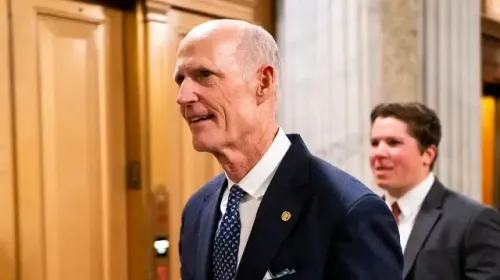
The Pharmaceutical Investment Oversight and Accountability Act was introduced on 16 July by Senators Rick Scott , Kirsten Gillibrand , and Elizabeth Warren .
The bill would require annual reports to Congress on foreign investment in US pharmaceutical manufacturing and related technologies.
China was identified as having expanded beyond generic drugs into biotechnology research, clinical trials, and pharmaceutical innovation .
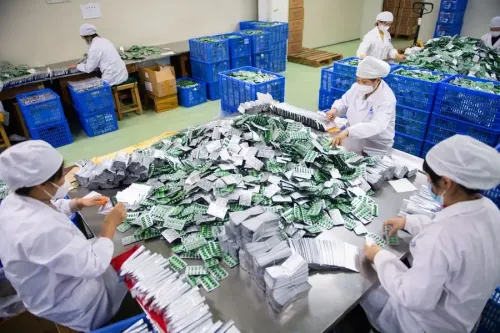
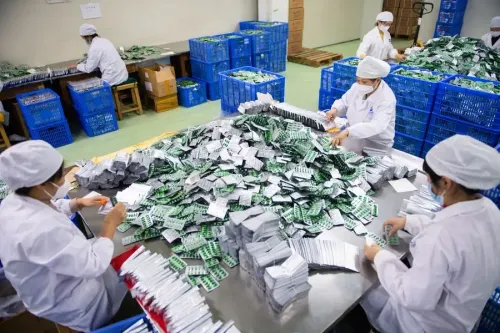
The United States remains heavily dependent on China and India for key starting materials and active pharmaceutical ingredients (APIs) .
Expert witnesses called for India to become a strategic pharmaceutical partner, with the US Development Finance Corporation potentially funding manufacturing there.
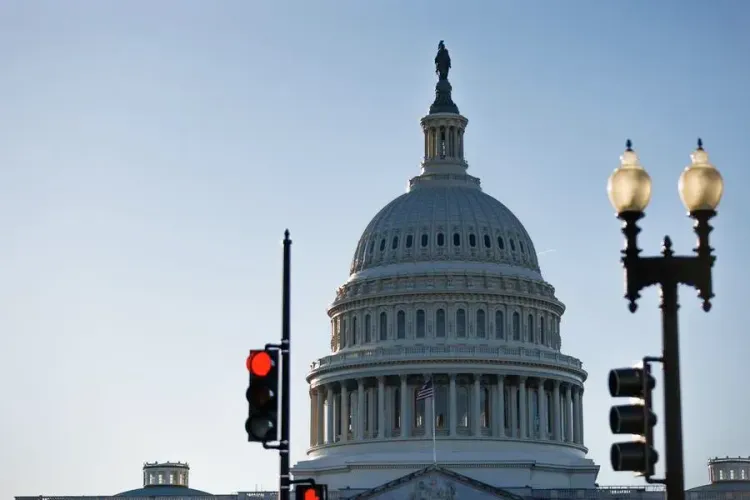
A bipartisan group of US senators on Wednesday, 16 July introduced sweeping legislation to tighten oversight of foreign ownership in America's pharmaceutical industry, citing deepening dependence on China for critical medicines and drug ingredients as a threat to national security and public health. The proposed Pharmaceutical Investment Oversight and Accountability Act would mandate annual reports to Congress on foreign investment in pharmaceutical manufacturing and related technologies.
What the Legislation Proposes
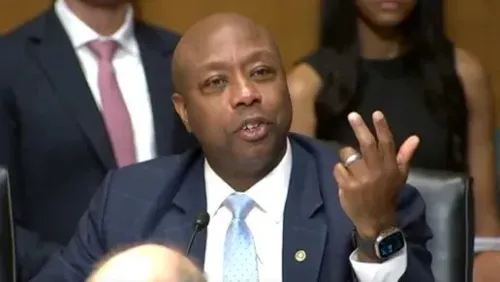
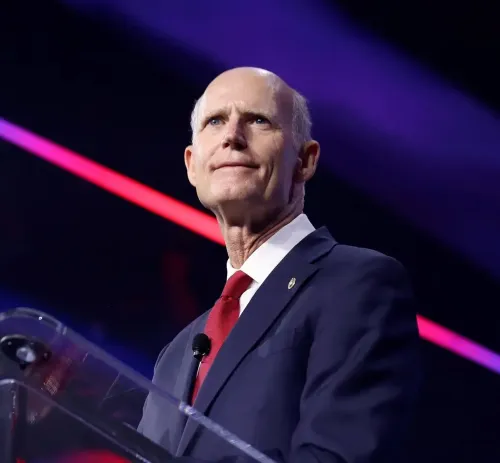
The bill was introduced by Senate Special Committee on Aging Chairman Rick Scott, alongside Ranking Member Kirsten Gillibrand and Senator Elizabeth Warren. If enacted, it would require systematic disclosure of who ultimately owns or controls companies supplying medicines to American consumers — including facilities that manufacture drugs, produce active pharmaceutical ingredients (APIs), or hold sensitive clinical data.
'The American people, and especially seniors, deserve to know who actually controls the medicines keeping them alive,' Scott said while opening the committee hearing. He argued that Washington currently lacks a complete picture of foreign ownership across the pharmaceutical supply chain, and that geopolitical tensions could expose dangerous vulnerabilities if critical supplies were disrupted.
India and China Named in Testimony
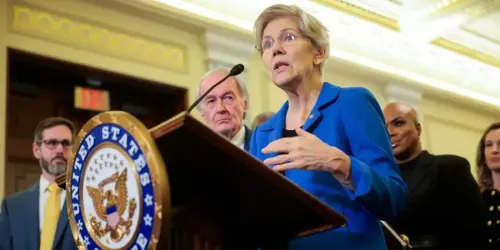
Gillibrand acknowledged that the United States remains heavily dependent on both China and India for key starting materials and APIs used to manufacture many generic medicines. She called for stronger oversight to understand the extent of foreign influence, while stressing that trusted international investment should continue. 'We must bolster federal oversight efforts and increase transparency on how foreign capital impacts American health care infrastructure,' she said.
Several expert witnesses told the committee that China has expanded its pharmaceutical footprint well beyond generic drug manufacturing into biotechnology research, clinical trials, and pharmaceutical innovation — raising concerns about long-term US competitiveness and supply chain resilience.
Expert Witnesses Urge Tougher Rules
Former Commerce Department official Nazak Nikakhtar urged Congress to tighten oversight of Chinese investments in US biotechnology companies, arguing that existing laws leave significant gaps — allowing certain investments, licensing arrangements, and data-sharing agreements to escape government review.
Stephen Ezell, vice president at the Information Technology and Innovation Foundation, said China has leveraged industrial subsidies, aggressive pricing, and strategic acquisitions to build a dominant position across the pharmaceutical value chain. He called for stronger disclosure rules requiring companies in strategic sectors to identify their beneficial ownership and any foreign control.
Rush Doshi, director of the China Strategy Initiative at the Council on Foreign Relations, said the United States had grown increasingly reliant on Chinese suppliers for upstream pharmaceutical inputs used in hundreds of medicines. He urged Washington to diversify production, strengthen domestic manufacturing, and deepen cooperation with allied nations.
India as a Strategic Alternative
Notably, Ezell singled out India as a potential partner in reducing US dependence on China's pharmaceutical dominance. He suggested that pharmaceutical cooperation should be embedded in the broader US-India strategic partnership — alongside existing collaboration in semiconductors, artificial intelligence, and critical minerals. He also proposed that the US Development Finance Corporation could support pharmaceutical manufacturing in India through loan guarantees and other financing tools.
This comes amid a broader Washington push to de-risk supply chains across multiple strategic sectors, and the hearing signals that pharmaceuticals are now firmly on that list. Whether the bill advances through a divided Congress remains to be seen, but the bipartisan backing from senators spanning the ideological spectrum suggests unusual political momentum.
Point of View
Gillibrand, and Warren to share a stage, and that alone signals how far pharma supply-chain anxiety has moved from wonkish concern to mainstream political urgency. But the bill's emphasis on transparency and reporting risks becoming another disclosure regime that generates data without forcing action. The more consequential ask — whether Washington will actually fund domestic API manufacturing or fast-track India as an alternative supplier — remains unanswered. Naming India alongside semiconductors and AI as a strategic partner is a meaningful signal, but signals without financing commitments have a poor track record in Washington.
NationPress
15 Oct 2026
Frequently Asked Questions
What is the Pharmaceutical Investment Oversight and Accountability Act?
It is a bipartisan bill introduced on 16 July by US Senators Rick Scott, Kirsten Gillibrand, and Elizabeth Warren that would require annual congressional reports on foreign investment in American pharmaceutical manufacturing. The legislation is designed to improve transparency over who owns or controls companies supplying medicines to Americans.
Why is China's role in US pharmaceutical supply chains a concern?
Expert witnesses told the Senate committee that China has built a dominant position across the pharmaceutical value chain through industrial subsidies, aggressive pricing, and acquisitions — extending beyond generics into biotechnology research and clinical trials. The US relies heavily on Chinese suppliers for upstream ingredients used in hundreds of medicines, creating potential vulnerabilities if supplies are disrupted.
How does India factor into the US pharmaceutical supply chain debate?
India was identified by expert witnesses as a key alternative partner that could help the US reduce its dependence on China for active pharmaceutical ingredients. Witnesses suggested pharmaceutical cooperation should be integrated into the broader US-India strategic partnership, with the US Development Finance Corporation potentially providing loan guarantees to support Indian manufacturing.
Who testified at the Senate hearing on pharmaceutical supply chains?
Key witnesses included former Commerce Department official Nazak Nikakhtar, Stephen Ezell of the Information Technology and Innovation Foundation, and Rush Doshi of the Council on Foreign Relations. All three called for tighter oversight of Chinese investment and greater supply chain diversification.
What gaps in current law does the bill seek to address?
According to testimony, existing laws leave significant gaps that allow certain Chinese investments, licensing arrangements, and data-sharing agreements in US biotechnology companies to escape government review. The bill seeks to close these gaps through mandatory beneficial ownership disclosure and stronger foreign-investment reporting requirements.