Is the US Reviving the Debate on Drug Origin, Highlighting Indian Exports?
Synopsis
US lawmakers are re-examining the necessity of country-of-origin labeling for prescription drugs, citing India's recent export restrictions during the Covid-19 pandemic as a significant vulnerability to America's drug supply. This renewed focus raises critical questions about transparency and safety in the pharmaceutical sector.
Key Takeaways
US lawmakers are advocating for mandatory country-of-origin labeling for prescription drugs.
Temporary export restrictions from India during the Covid-19 pandemic raised concerns about drug supply vulnerabilities.
Over 90% of US prescriptions are for generic drugs, with a large percentage of active ingredients produced overseas.
Transparency in drug manufacturing is a critical public health and national security issue.
Experts suggest implementing QR codes on drug packaging for better consumer awareness.
Washington, Jan 30 (NationPress) US legislators have reignited discussions regarding mandatory country-of-origin labeling for prescription medications, referencing the temporary ban on pharmaceutical exports enacted by India during the Covid-19 pandemic as proof that America's drug supply is still susceptible to foreign interruptions.
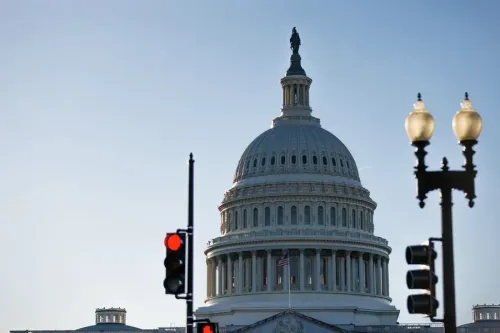
This initiative was highlighted during a hearing of the Senate Special Committee on Aging, aptly titled “Truth in Labeling: Americans Deserve to Know Where Their Drugs Come From.”
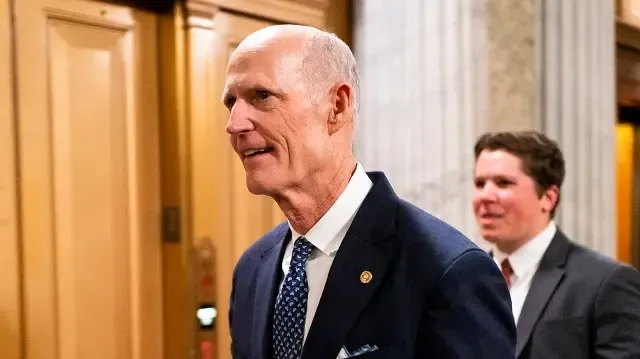
Committee Chairman Rick Scott introduced his CLEAR LABELS Act, a proposal that would mandate that all prescription drugs sold in the United States disclose their origins, including the production locations of key ingredients.
“What we discovered during this investigation will astound you,” Scott stated.
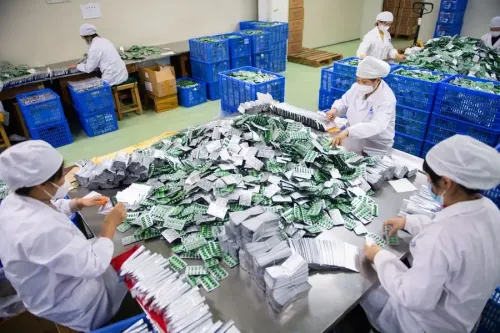
He indicated that 91% of prescriptions filled in the United States are for generic drugs. Of these, “almost 94% utilize APIs manufactured overseas, primarily in Communist China and India.”
Scott emphasized that the lack of transparency deprives patients, healthcare providers, and pharmacists of essential information regarding the medications they administer. He contended that overseas production complicates federal oversight.
According to Scott, when US authorities inspect international drug manufacturing facilities, they frequently provide advance notice. This allows the facilities to prepare for the inspectors’ arrival. “That’s absurd,” he remarked, highlighting reports of unsanitary conditions found even after warnings have been issued.
Scott presented this issue as both a public health and a national security threat.
“We confront not only a significant public health hazard but also a substantial national security dilemma,” he asserted. If foreign suppliers halt exports, he cautioned, the United States has “absolutely no strategy” to guarantee access to essential medications.
He referred to recent events. “During the Covid pandemic, India obstructed the export of vital pharmaceutical components,” Scott stated. “Such scenarios could recur.”
Sen. Ashley Moody, who moderated part of the session, noted that consumers have minimal means to ascertain the origins of their medications. She mentioned that FDA import alerts have highlighted issues at foreign facilities, including “carcinogenic impurities, falsified batch records, and non-sterile environments.”
She pointed out that seniors are especially impacted as they rely heavily on generic medications and often lack alternatives.
Witnesses broadly endorsed increased transparency but cautioned that labeling alone would not rectify deeper issues in the generic drug sector.
John Gray, a professor at Ohio State University, expressed strong support for providing consumers, healthcare professionals, and other stakeholders with access to fundamental drug information, including country of origin and a valid assessment of drug quality risks.
He asserted that the long-held belief that all generic drugs are interchangeable “is no longer a defensible position,” particularly as production has shifted overseas and inspections are often pre-announced.
Gray suggested implementing QR codes on drug packaging, which would link to searchable details indicating where finished drugs and active ingredients are produced. He also called for quality data to be made public, enabling manufacturers to compete beyond pricing.
Michael Ganio from the American Society of Health-System Pharmacists remarked, “Every American deserves to know where their prescription drugs are produced.” He pointed out that country-of-origin labeling is currently voluntary.
Ganio argued that enhanced transparency could help combat what he described as a “race to the bottom” in generic drug pricing. He urged Congress to bolster incentives for domestic manufacturing and oversight.
He mentioned research indicating that patients and pharmacy buyers prefer drugs produced in the United States or Canada over those from India or China when they know the origin. However, he cautioned that “country of origin alone is not a reliable indicator of drug product quality.”
Stephen W. Schondelmeyer, a professor at the University of Minnesota, categorized India as a crucial yet intricate component of the supply chain.
“India is our primary supplier of generic pharmaceuticals,” he stated. “There are quality products that originate from India, though not all of them meet standards.”
He noted that inconsistent regulation and a lack of public insight into manufacturing sites make it challenging to gauge quality and supply risks. He deemed it “unconscionable” that the United States mandates origin labels for food and clothing but not for “the vital medications that save lives.”
Schondelmeyer pointed to New Zealand’s public drug database as a benchmark for transparency.
Steven Colville of the Duke-Margolis Institute for Health Policy mentioned that the drug supply chain faces myriad challenges, such as chronic shortages, quality issues, geopolitical risks, and efforts to enhance domestic production.
Colville endorsed better consumer information but argued that “labeling reforms alone are likely to have limited effectiveness.” He highlighted that patients often have scant control over which generic drugs are stocked by hospitals and pharmacies.
The committee announced that the hearing record will remain accessible until next week as lawmakers assess draft legislation.
US officials have long warned that reliance on overseas manufacturing exposes the healthcare system to shortages and quality failures. The Covid-19 pandemic, during which several countries restricted exports of medical supplies and drug components, has intensified bipartisan scrutiny.
Point of View
The push for enhanced transparency in drug manufacturing is imperative. The reliance on foreign production, particularly in critical times, raises significant public health and safety concerns. It is essential for Americans to know the origins of their medications to ensure quality and security.
NationPress
20 Sept 2026
Frequently Asked Questions
Why is country-of-origin labeling important for prescription drugs?
Country-of-origin labeling is crucial as it provides transparency about where medications and their ingredients are manufactured, ensuring consumers are informed about the quality and safety of the drugs they use.
What prompted the renewed discussions on drug origin in the US?
The discussions were prompted by temporary restrictions on pharmaceutical exports from India during the Covid-19 pandemic, which highlighted vulnerabilities in the US drug supply chain.
How do foreign manufacturing practices impact drug safety?
Foreign manufacturing practices can complicate federal oversight and may lead to quality assurance issues, as advance notice of inspections can allow facilities to prepare and mask underlying problems.
What are the potential benefits of the CLEAR LABELS Act?
The CLEAR LABELS Act could enhance transparency, allowing consumers, healthcare providers, and pharmacists to make informed decisions about the medications they use, potentially improving drug quality and safety.
What role does India play in the US pharmaceutical market?
India is a major supplier of generic pharmaceuticals to the US market, providing a significant portion of active pharmaceutical ingredients used in medications.