US Pharmaceutical Dependency on China Raises Alarms
Synopsis
As the U.S. grapples with its reliance on China for vital pharmaceutical ingredients, lawmakers warn of potential health and national security implications. This Senate hearing sheds light on decades of policy decisions leading to this precarious situation.
Key Takeaways
Dependence on China: The U.S. heavily relies on China for key pharmaceutical ingredients.
National Security Threat: This reliance poses risks to national security and public health.
Quality Issues: Imported medicines have shown serious safety and quality concerns.
Policy Changes Needed: Lawmakers call for reforms to ensure compliance with U.S. safety standards.
Resilient Supply Chains: Experts advocate for building a domestic capacity while maintaining trusted global partnerships.
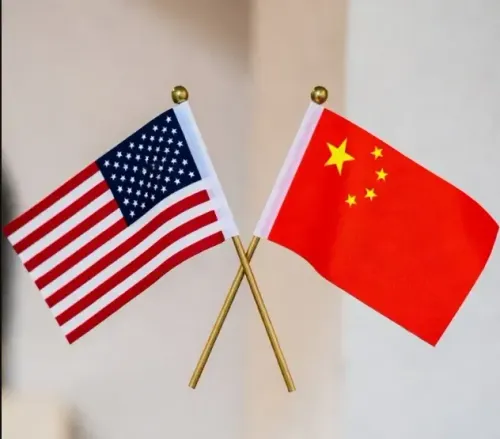
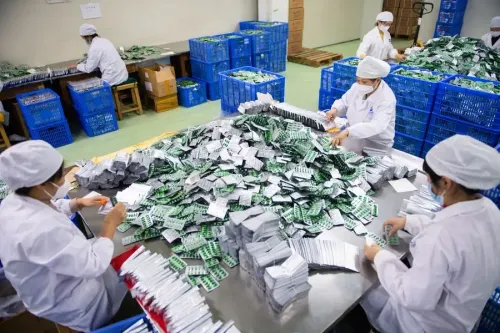
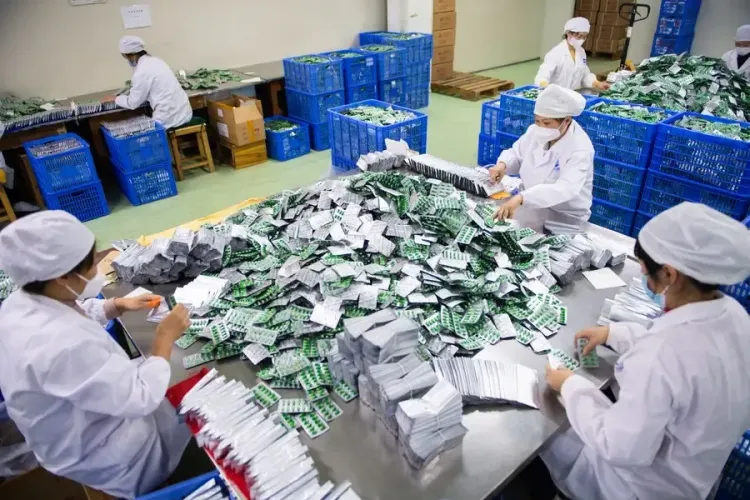
Washington, March 12 (NationPress) The United States' reliance on China for essential raw materials and components necessary for producing many commonplace medications has raised alarms among lawmakers and specialists during a Senate hearing, labeling the situation as both a national security concern and a potential public health emergency.
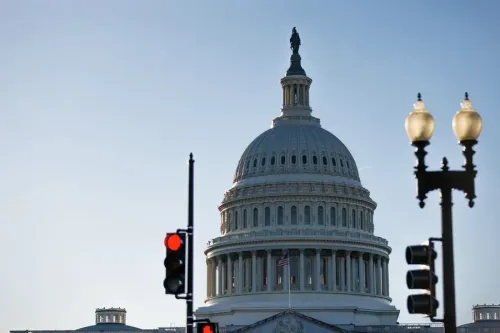
The Senate Special Committee on Ageing convened on Wednesday (local time) to discuss how decades of relocating pharmaceutical manufacturing overseas have rendered the U.S. susceptible to supply chain interruptions and foreign control over critical drugs.
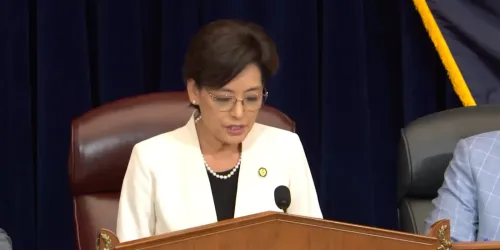
In his opening remarks, committee chairman Senator Rick Scott emphasized that the issue is more extensive than just a few medications. He cautioned that Americans depend on medications whose vital ingredients increasingly come from outside the nation.
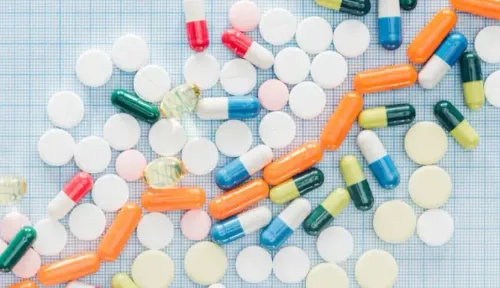
“I refer to our antibiotics, diabetes medications, blood pressure treatments, and other crucial life-saving drugs available in every hospital, pharmacy, and home across this country,” Scott stated.
He attributed the issue to policy decisions made in Washington over several decades, indicating that the U.S. has allowed China to dominate significant portions of the global pharmaceutical supply chain.
“This situation arose due to negligence from Washington,” Scott remarked, noting that decision-makers prioritized lower production costs over security and dependability.
Ranking Member Senator Kirsten Gillibrand highlighted that the U.S. has become dependent on “China and India for crucial ingredients required to produce generic drugs, active pharmaceutical ingredients, and key raw materials.”
She pointed out that various elements have fueled China’s supremacy, such as government subsidies, reduced labor costs, and lenient environmental regulations. However, she also criticized market dynamics that favor lower prices over quality.
“Manufacturers are incentivized solely by cost, neglecting quality,” Gillibrand asserted, urging Congress to empower the Food and Drug Administration to mandate compliance with U.S. safety standards among foreign manufacturers.
Former Congressman Ted Yoho indicated that China has profited from “self-inflicted wounds” within the U.S. system, citing regulatory frameworks and corporate strategies that opted for offshore production.
“China governs the global market price and supply chain,” Yoho warned, stressing that such dependence poses serious health and national security risks.
Experts also expressed concerns regarding the quality and safety of certain imported medications. Rosemary Gibson, the author of China RX, revealed that a U.S. military testing program uncovered significant quality issues in various generic drugs.
According to Gibson, this program evaluated 13 generic medications from multiple manufacturers and found that nearly 15% failed to meet basic quality criteria.
Testing also uncovered “toxins such as thallium,” alongside “arsenic, lead, and carcinogens” in specific products, she informed the committee.
Gibson cautioned that a halt in Chinese pharmaceutical exports could lead to catastrophic repercussions for the U.S. healthcare system. When asked about the consequences if China ceased exporting vital materials, she replied bluntly: “Many people would die in this country.”
Chan Harjivan, a visiting fellow at the Duke-Margolis Institute for Health Policy, encouraged policymakers to enhance supply chain resilience instead of pursuing complete isolation from global production.
“The objective should not be total reshoring of global pharmaceutical production,” he stated. Rather, the U.S. should develop a robust network of reliable partners while preserving domestic capacity for crucial medications.
This dialogue underscored the increasing bipartisan concern in Washington regarding supply chains linked to China. Similar discussions have arisen concerning semiconductors, rare-earth elements, and medical equipment, particularly as the Covid-19 pandemic revealed vulnerabilities in global manufacturing systems.
Point of View
The increasing dependency of the United States on China for pharmaceutical ingredients is alarming. It highlights significant vulnerabilities in the healthcare system and underscores the need for a reevaluation of domestic production capabilities.
NationPress
30 Sept 2026
Frequently Asked Questions
What are the risks of U.S. dependency on China for medicines?
The risks include potential supply chain disruptions, health crises from compromised medicine quality, and national security threats due to foreign control over essential drug production.
How has the U.S. pharmaceutical industry become reliant on China?
Decades of offshoring production for cost savings have led to a significant reliance on China and India for key pharmaceutical ingredients and components.
What are the quality concerns regarding imported medicines?
Testing has revealed serious quality issues in imported generic drugs, with some failing basic safety standards and containing harmful toxins.
What actions are lawmakers proposing to address this issue?
Lawmakers are urging for stronger FDA regulations on foreign manufacturers and advocating for a more resilient domestic production network.
What could happen if China stopped exporting pharmaceutical materials?
Experts warn that a sudden halt in exports from China could lead to significant health crises in the U.S., potentially resulting in fatalities.