Ahmedabad heatwave: 45 heat hotspots mapped as temps near 44°C
Synopsis
Ahmedabad has mapped 45 heat hotspots across 17 wards as IMD forecasts temperatures up to 44°C and issues Orange and Yellow alerts through 14 May. The city's QR code-based hotspot information system marks a tangible upgrade in its heat preparedness playbook — but with nights staying near 28°C, relief remains distant.
Key Takeaways
IMD has issued Orange and Yellow alerts for Ahmedabad from 8 May through 14 May 2025 .
Maximum temperatures are forecast between 42 and 44 degrees Celsius ; minimums between 27 and 28 degrees Celsius .
The AMC has identified 45 heat hotspots mapped across 17 wards in six city zones .
A QR code-based system will provide residents with area-wise temperature data and hotspot locations.
Residents are advised to avoid outdoors between 12 noon and 4 pm ; emergency cases to dial 108 .
Children, elderly persons, and pregnant women are identified as the most vulnerable groups.
Ahmedabad is bracing for severe heatwave conditions over the next week, with the India Meteorological Department (IMD) forecasting maximum temperatures between 42 and 44 degrees Celsius and issuing Orange and Yellow alerts through 14 May. In response, the Ahmedabad Municipal Corporation (AMC) has identified 45 heat hotspots across the city to help residents navigate the most dangerous periods of the day.
IMD Alerts and Temperature Forecast
According to the IMD's Ahmedabad centre, Yellow alerts are in force from 8 May (Friday) through 11 May (Monday) and again until the morning of 14 May. Orange alerts, warning of active heatwave conditions, remain in effect through the mornings of 11 May and 13 May. Minimum temperatures are expected to hover between 27 and 28 degrees Celsius throughout the seven-day period — offering little overnight relief to residents.
How the 45 Hotspots Were Mapped
The AMC identified the 45 heat hotspots by analysing temperature forecasts prepared by the IMD for 17 wards spread across six zones of the city. Projected maximum temperatures across different localities formed the basis of the mapping exercise. Residents will be able to access hotspot information and area-wise maximum temperature data through a QR code-based system introduced as part of the city's heat response framework. The data will specifically cover the 12 noon to 5 pm window — identified as the most intense heat period of the day.
AMC Advisory: What Residents Must Do
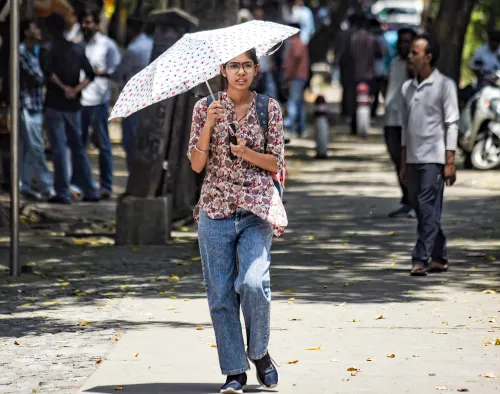
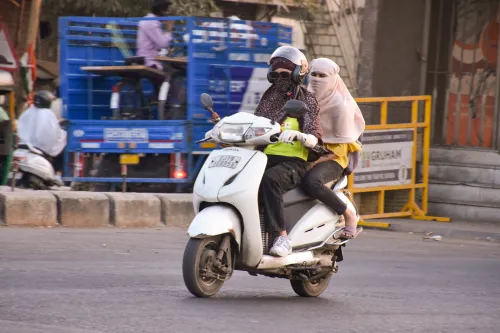
Civic authorities have urged residents to avoid stepping outdoors between 12 noon and 4 pm as far as possible. Those who must travel are advised to carry water bottles, wear loose light-coloured cotton clothing, and use umbrellas, caps or scarves. The AMC has recommended drinking fluids such as water, lemon juice, buttermilk and coconut water regularly, and eating fresh fruits and vegetables while avoiding spicy food, stale food, excessive protein, tea, coffee and aerated drinks. People engaged in outdoor work have been specifically advised to take frequent breaks and rest in cool places periodically.
Vulnerable Groups and Heatstroke Warning Signs
The AMC has flagged children, elderly persons, and pregnant women as particularly vulnerable during prolonged heat exposure and urged citizens to pay special attention to these groups. The civic body has listed heatstroke symptoms to watch for, including excessive sweating, weakness, headaches, dizziness, red and dry skin, muscle pain, nausea and vomiting. Residents experiencing any of these symptoms have been advised to seek immediate medical assistance. Emergency cases have been directed to contact the 108 ambulance service.
Broader Context
Ahmedabad has historically been one of India's most heat-vulnerable cities — it was among the first in the country to adopt a formal Heat Action Plan following a deadly 2010 heatwave. This year's early-season hotspot mapping and QR-code-based public information system represent an incremental but notable step in the city's preparedness framework. With temperatures expected to remain elevated well past 14 May, health authorities are likely to extend advisories if conditions persist.
Point of View
But the real test is last-mile reach — whether daily-wage outdoor workers and slum residents, who are most exposed, can actually access and act on this information. The city's Heat Action Plan is one of South Asia's most cited models, yet heat mortality data remains inconsistently reported across Gujarat, making it hard to measure whether these interventions are saving lives. With climate projections pointing to longer and more intense heat seasons across western India, city-level preparedness frameworks need to graduate from annual advisories to year-round infrastructure — cool shelters, shaded transit stops, and occupational health mandates for outdoor workers.
NationPress
23 Sept 2026
Frequently Asked Questions
What is the IMD alert level for Ahmedabad during the May 2025 heatwave?
The IMD has issued both Orange and Yellow alerts for Ahmedabad from 8 May through 14 May 2025. Orange alerts, indicating active heatwave conditions, are in force through the mornings of 11 May and 13 May, while Yellow alerts cover the broader period.
What are the 45 heat hotspots identified by the AMC?
The AMC identified 45 heat hotspots by mapping IMD temperature forecasts across 17 wards in six city zones. These are localities projected to experience the highest temperatures, particularly between 12 noon and 5 pm, and residents can access hotspot data via a QR code-based system.
What temperatures is Ahmedabad expected to reach during this heatwave?
Ahmedabad is forecast to see maximum temperatures between 42 and 44 degrees Celsius over the seven-day period ending 14 May. Minimum temperatures are likely to remain between 27 and 28 degrees Celsius, limiting overnight cooling.
Who is most at risk during the Ahmedabad heatwave?
The AMC has flagged children, elderly persons, and pregnant women as particularly vulnerable. Outdoor workers are also at elevated risk and have been specifically advised to take frequent breaks in cool, shaded areas.
What should residents do if they experience heatstroke symptoms?
Residents showing symptoms such as excessive sweating, dizziness, red and dry skin, nausea, or vomiting are advised to seek immediate medical attention. Emergency cases should contact the 108 ambulance service.