China-linked money laundering networks bank Mexican cartels, US Congress warned
Synopsis
A US congressional hearing has put a name to the financial backbone of the fentanyl crisis: Chinese money laundering networks that reportedly serve as bankers to Mexican cartels, North Korean hackers, and Iranian-linked actors alike. With over 40,000 alleged shell companies operating inside the US, lawmakers are pushing for a comprehensive federal strategy — and the hearing marks a sharp escalation in Washington's financial-crime case against Beijing.
Key Takeaways
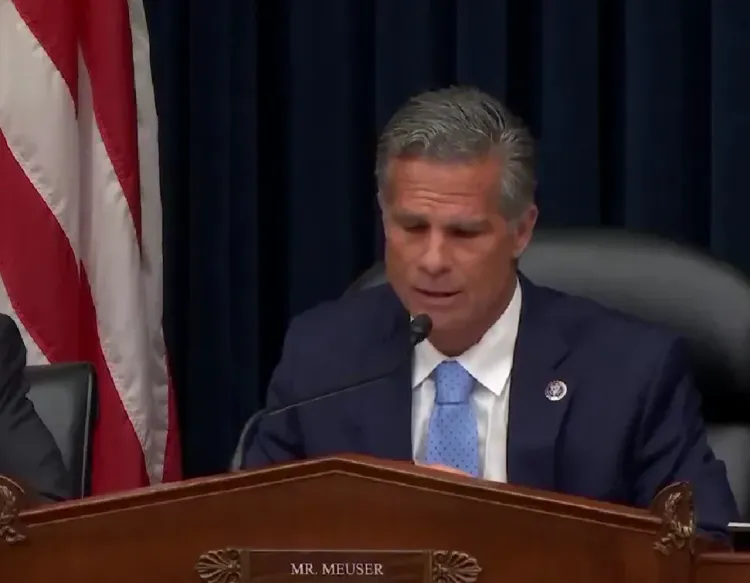
The House Financial Services Subcommittee on Oversight and Investigations held a hearing on 11 June examining Chinese money laundering networks (CMLNs) and their role in funding Mexican drug cartels .
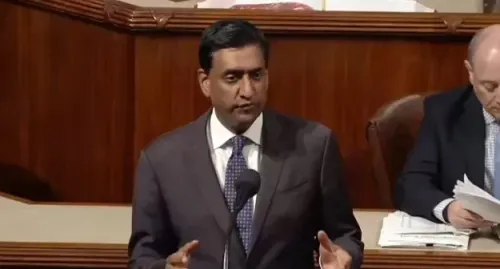
Chairman Dan Meuser described a cross-border laundering cycle converting US drug dollars into pesos, then into Chinese currency routed back to China.
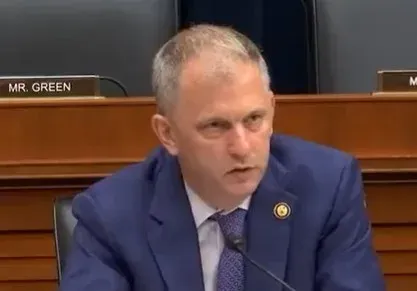
Representative Zach Nunn alleged more than 40,000 shell companies linked to these networks are operating inside the United States.
Retired Treasury agent John Cassara called for a comprehensive federal strategy and regional task forces to dismantle Chinese transnational crime networks.
Expert Liana Rosen noted CMLNs exploit cash businesses, real estate, and money service firms, and 'continue to adapt and evolve to avoid law enforcement detection.' Beijing has denied responsibility for the US fentanyl crisis, calling for cooperation rather than blame.
Republican lawmakers and expert witnesses told a US House Financial Services Subcommittee hearing on 11 June that Chinese money laundering networks (CMLNs) have emerged as the primary financial infrastructure for Mexican drug cartels, moving billions of dollars in illicit proceeds through the global financial system and directly undermining Washington's efforts to curb fentanyl trafficking.
How the Financial Cycle Works
Subcommittee Chairman Dan Meuser laid out the mechanics in stark terms. According to Meuser, precursor chemicals originating from China are shipped to Mexican cartels, which manufacture fentanyl and distribute it across the United States. The resulting drug proceeds are then laundered within the US — converted from dollars into pesos, transferred to Mexico, and ultimately reconverted into Chinese currency before flowing back to China.
'Within the US, the various players and actors there, both for the cartels and for some Chinese foreign nationals that are here, are laundering the money, taking the US dollars they receive and converting them into pesos, for the most part, shipping those pesos back to Mexico, where Mexico then converts them again from pesos to Chinese currency, which goes back to China,' Meuser said.
Methods Used to Evade Detection
Liana Rosen, a specialist in international sanctions and financial crimes at the Congressional Research Service, told lawmakers that CMLNs exploit a wide array of channels — including cash-intensive businesses, real estate, and money service businesses — to conceal illicit funds. 'What's really interesting about these Chinese money laundering networks is the variety of ways in which they launder these illicit funds,' Rosen said, adding that they 'continue to adapt and evolve to avoid law enforcement detection.'
Scale and Broader Threat
Representative Zach Nunn argued that the threat extends well beyond narcotics. He alleged that more than 40,000 shell companies linked to these networks are currently operating inside the United States. 'Chinese money laundering networks have become the bankers' cartel for poisoning our communities,' Nunn said. He further alleged that the networks launder money for North Korean hackers, actors linked to Iran, terrorism financing, and Russian criminal organisations — though these claims were not independently verified at the hearing.
Expert Recommendations
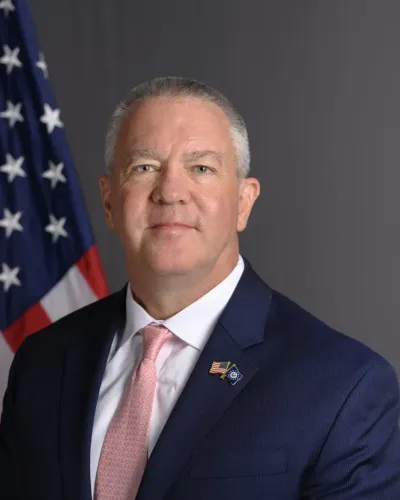
Retired US Treasury special agent John Cassara described the arrangement as an 'unholy alliance' driven by China's pent-up demand for dollars and the cartels' need to offload US dollar proceeds. 'Over the past five years, Chinese money laundering rings have been increasingly moving the drug proceeds of the Mexican cartels,' he said. Cassara called for a 'comprehensive strategy to go after Chinese transnational crime' and proposed regional task forces combining federal, state, and local authorities.
Leland Lazarus, founder and chief executive of Lazarus Consulting, urged greater coordination among government agencies, financial institutions, and international partners. He recommended strengthening transparency measures, expanding enforcement tools, and improving the capacity to identify and dismantle criminal financial networks.
The US-China Fault Line
Fentanyl has become a persistent flashpoint in US-China relations. Washington has repeatedly accused Chinese suppliers of providing the precursor chemicals that Mexican cartels use to manufacture the synthetic opioid. Beijing has rejected those accusations, denying responsibility for the US drug crisis and calling for cooperative engagement rather than blame. The hearing signals that bipartisan pressure on China over financial complicity in drug trafficking is intensifying, even as diplomatic channels remain strained.
Point of View
But congressional pressure is now demanding a strategy, not just surveillance. The 40,000-shell-company figure, if verified, would represent a systemic infiltration of the US financial system that no amount of bilateral diplomacy has contained. What's striking is the breadth of the alleged client list: cartels, North Korean hackers, Iranian-linked actors, Russian crime rings — if accurate, CMLNs are not a narcotics problem but a global illicit-finance architecture. The real accountability question is whether US financial regulators and the Treasury have the tools and the political will to dismantle networks that are, by design, harder to trace than the drugs they finance.
NationPress
26 Sept 2026
Frequently Asked Questions
What are Chinese money laundering networks (CMLNs) and how do they work?
Chinese money laundering networks are criminal financial operations that reportedly move illicit proceeds — primarily from fentanyl sales — across borders for Mexican drug cartels. According to testimony at the 11 June congressional hearing, they convert US drug dollars into pesos, route the funds to Mexico, and ultimately transfer the proceeds back to China as Chinese currency, using channels including cash-intensive businesses, real estate, and money service firms.
Why did the US Congress hold this hearing?
The House Financial Services Subcommittee on Oversight and Investigations convened the hearing to examine how CMLNs exploit vulnerabilities in the US financial system and complicate federal efforts to combat fentanyl trafficking. Lawmakers heard from expert witnesses calling for a comprehensive federal strategy and regional law enforcement task forces.
How many shell companies are allegedly linked to these networks inside the US?
Representative Zach Nunn alleged that more than 40,000 shell companies linked to Chinese money laundering networks are currently operating inside the United States. These entities are reportedly used to conceal and move illicit funds.
What has China said about its role in the US fentanyl crisis?
Beijing has denied responsibility for the US fentanyl crisis, rejecting accusations that Chinese suppliers are complicit in providing precursor chemicals to Mexican cartels. China has called for greater bilateral cooperation rather than blame, a position it has maintained consistently despite repeated US pressure.
What solutions did experts recommend at the hearing?
Retired Treasury special agent John Cassara called for a comprehensive federal strategy targeting Chinese transnational crime, including regional task forces combining federal, state, and local authorities. Leland Lazarus of Lazarus Consulting urged stronger inter-agency coordination, expanded enforcement tools, and improved transparency measures across financial institutions and international partners.