Chinese national pleads guilty to CJNG cocaine smuggling, $22M laundering in US
Synopsis
A Honduras-based Chinese national has admitted in a US federal court to running a Latin American cocaine pipeline for Mexico's CJNG cartel, laundering over USD 22 million through crypto and trade-based schemes. The case spotlights a growing pattern: cartels recruiting non-Mexican operatives to evade US law enforcement — and the rising use of digital finance to move drug money.
Key Takeaways
Wenshen Xu , 52 , a Honduras-based Chinese national , pleaded guilty in a US federal court on 30 June .
Xu admitted to conspiring to import more than 450 kilograms of cocaine into the United States on behalf of the CJNG .
He and co-conspirators laundered over USD 22 million in drug proceeds via cryptocurrency transfers , trade-based money laundering, and encrypted platforms.
Xu was arrested in Guatemala City on 17 July 2025 and extradited to the US on 30 January .
Sentencing is set for 15 October ; Xu faces a mandatory minimum of 10 years and up to life imprisonment .
The CJNG is designated a Foreign Terrorist Organisation by the United States.
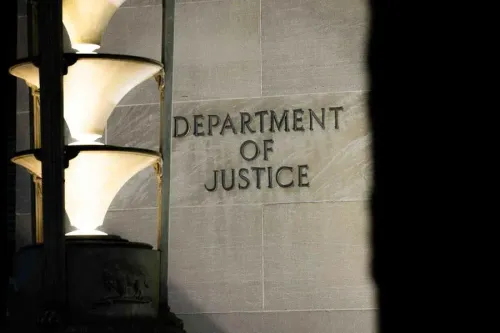
A Honduras-based Chinese national, Wenshen Xu, 52, has pleaded guilty in a US federal court to conspiring to import more than 450 kilograms of cocaine into the United States, laundering over USD 22 million in drug proceeds, and providing material support to the Cartel de Jalisco Nueva Generacion (CJNG) — a Mexican criminal organisation designated a Foreign Terrorist Organisation by the United States. The US Department of Justice announced the guilty plea on Tuesday, 30 June.
How the Operation Worked
According to court documents, Xu ran a sprawling transportation network across Latin America, with access to airstrips, airports, armoured vehicles, couriers, and associates to move multi-kilogram cocaine shipments northward into the United States. The network's reach extended from Colombia to Mexico and beyond, reflecting the layered logistics that transnational cartels increasingly rely on.
On 17 July 2025, Xu and his associates reportedly agreed to transport a cocaine shipment originating from Cali, Colombia, on behalf of an individual claiming to represent the CJNG. That single conspiracy ultimately accounted for the importation of more than 450 kilograms of cocaine into the United States, according to prosecutors.
Money Laundering Through Crypto and Trade
Beyond drug trafficking, Xu and his co-conspirators allegedly laundered more than USD 22 million derived from cocaine and fentanyl sales. Investigators said the laundering was carried out through cryptocurrency transfers, trade-based money laundering schemes, and encrypted communications platforms — methods increasingly favoured by transnational criminal networks to obscure financial trails.
This combination of digital finance and physical smuggling infrastructure underscores how modern drug cartels have evolved beyond traditional cash-based operations, making them significantly harder to detect and dismantle.
Arrest, Extradition, and Sentencing
Xu was arrested in Guatemala City on 17 July 2025 at the formal request of the United States. He was subsequently extradited to the US on 30 January and has since entered his guilty plea. Sentencing is scheduled for 15 October, at which point Xu faces a mandatory minimum of 10 years in prison and a maximum sentence of life imprisonment.
The CJNG and US Counter-Cartel Efforts
The CJNG is considered one of Mexico's largest and most violent criminal organisations, with operations spanning drug trafficking, money laundering, and organised crime across the Americas. US authorities have intensified efforts in recent years to dismantle the cartel's supply chains and financial infrastructure as part of a broader campaign against transnational narcotics networks.
Notably, Xu's case is among a growing number of prosecutions involving non-Mexican nationals — particularly those with ties to China — who have allegedly embedded themselves within Latin American cartel logistics. Analysts say this reflects a deliberate diversification strategy by cartels seeking operatives less familiar to US law enforcement. Xu's sentencing in October will be closely watched as a signal of how aggressively US courts intend to pursue such cases.
Point of View
Recruiting operatives from outside Latin America to reduce exposure to existing US enforcement profiles. The use of cryptocurrency and encrypted platforms for a USD 22 million laundering operation signals that financial crime and narcotics trafficking are now deeply intertwined in ways that demand cross-agency, cross-border financial intelligence. The mandatory minimum of 10 years Xu faces is significant, but the more consequential question is how many similar networks remain undetected — and whether US-China law enforcement cooperation is adequate to surface them.
NationPress
29 Sept 2026
Frequently Asked Questions
Who is Wenshen Xu and what did he plead guilty to?
Wenshen Xu is a 52-year-old Honduras-based Chinese national who pleaded guilty in a US federal court to conspiring to import more than 450 kilograms of cocaine, laundering over USD 22 million in drug proceeds, and providing material support to Mexico's CJNG cartel, which the US has designated a Foreign Terrorist Organisation.
What is the CJNG and why is it significant?
The Cartel de Jalisco Nueva Generacion (CJNG) is one of Mexico's largest and most violent criminal organisations, involved in drug trafficking, money laundering, and organised crime across the Americas. The United States has designated it a Foreign Terrorist Organisation, making any material support to the group a serious federal offence.
How did Xu launder the drug money?
According to investigators, Xu and his co-conspirators laundered more than USD 22 million derived from cocaine and fentanyl sales through cryptocurrency transfers, trade-based money laundering, and encrypted communications platforms — methods designed to obscure financial trails from law enforcement.
When was Xu arrested and when will he be sentenced?
Xu was arrested in Guatemala City on 17 July 2025 at the request of the United States and was extradited on 30 January. His sentencing is scheduled for 15 October, at which point he faces a mandatory minimum of 10 years and a maximum of life imprisonment.
What does this case reveal about cartel operations?
The case highlights a growing trend of transnational cartels recruiting non-Latin American operatives — including individuals with ties to China — to manage logistics and financial flows, reducing their visibility to US law enforcement. It also underscores the increasing use of digital financial tools such as cryptocurrency in large-scale drug money laundering.