Chhattisgarh Waqf Board chief urges Muslims: no open Qurbani on Eid-ul-Adha
Synopsis
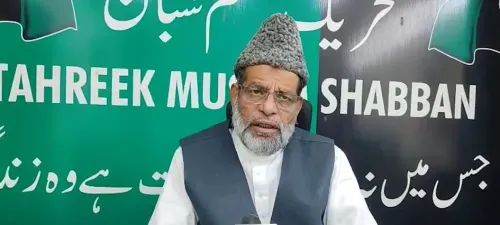
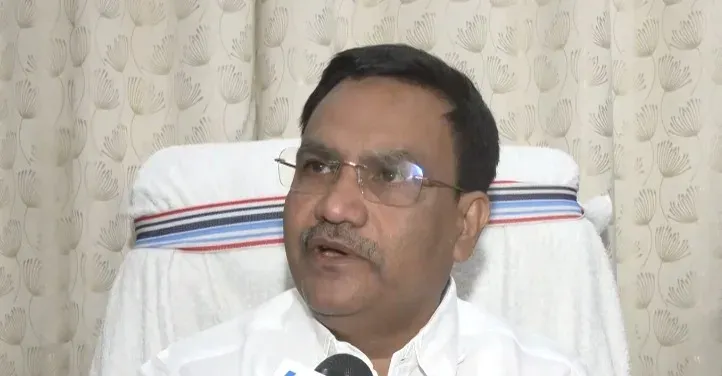
The chairman of the Chhattisgarh Waqf Board has publicly asked Muslims to skip open-air Qurbani this Eid-ul-Adha — and to stop filming it. Salim Raj's appeal, grounded in Islamic values of compassion, also calls for pit-burial of blood and a social media blackout on sacrifice videos, making it one of the more specific and detailed pre-Eid advisories from a Muslim body this year.
Key Takeaways
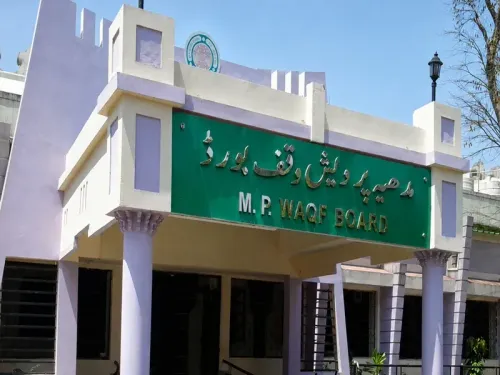
Salim Raj , Chairman of the Chhattisgarh Waqf Board , issued the appeal on Monday, 26 May 2025 , ahead of Eid-ul-Adha .
He urged Muslims to avoid performing Qurbani in open public spaces to prevent discomfort to neighbours, including vegetarians.
Raj recommended digging a pit for the sacrifice and burying the blood to maintain cleanliness and privacy.
He specifically called for a ban on recording or sharing videos of the sacrifice on social media.
The appeal invokes Islamic teachings on compassion , arguing that causing distress to others contradicts the spirit of the festival.
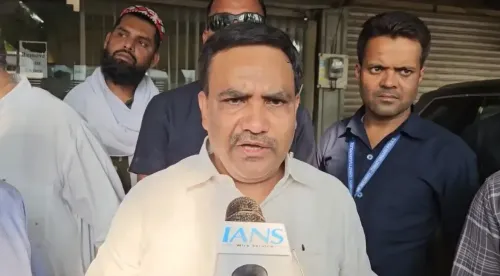
Chhattisgarh Waqf Board Chairman Salim Raj on Monday, 26 May 2025, appealed to the Muslim community across the state to refrain from performing Qurbani in open public spaces during Eid-ul-Adha, citing the need to protect communal harmony and respect the sensibilities of neighbours from other communities. The appeal comes as Eid-ul-Adha preparations gather pace across Chhattisgarh and the rest of the country.
What Salim Raj Said
Addressing the Muslim community directly, Raj said that while Eid-ul-Adha is a festival of devotion and joy, its celebrations must not cause distress to others. 'I request all Islamic brothers not to perform Qurbani in open places on the occasion of Eid-ul-Adha so that the majority community is not inconvenienced. Every community should be respected,' he said.
Raj specifically highlighted the discomfort that public animal sacrifice can cause in densely populated, mixed-community neighbourhoods. 'As the sacrifice is carried out in open spaces where many people live, and some among them are vegetarians. Some people even faint on hearing the sound of the animal while being sacrificed,' he noted.
Guidelines on Cleanliness and Privacy
The Waqf Board chairman urged that blood from the sacrifice must not be spilled openly. He suggested a practical alternative: 'If the sacrifice has to be performed, then a pit should be dug, and the sacrifice carried out there, with the blood buried in it.' He stressed that maintaining cleanliness and privacy during the ritual is both a civic and religious responsibility.
Appeal Against Social Media Videos
Raj also called on community members to avoid recording or circulating videos of the sacrifice on social media platforms. 'Videos of the sacrifice should not be made at all. This is a request to the Muslim community to keep the sentiments and concerns of the larger public in mind,' he said. The caution comes amid a broader national conversation about the role of viral content in inflaming communal tensions.
Broader Context and Significance
Raj grounded his appeal in Islamic teaching itself, arguing that compassion and sensitivity towards others are core values of the faith. 'Islam also teaches that no one should be caused distress. Our festival is one of happiness, so neighbours should not feel troubled either,' he added.
Notably, similar appeals have been made by Muslim community leaders and local administrations in several states ahead of Eid-ul-Adha in recent years, reflecting a recurring effort to balance religious observance with civic harmony in India's diverse, densely populated urban areas. Raipur and other cities in Chhattisgarh have historically maintained peaceful Eid celebrations, and leaders like Raj are evidently seeking to reinforce that tradition ahead of this year's festival.
With Eid-ul-Adha approaching, authorities and community organisations across India are expected to issue similar advisories, underscoring the importance of responsible celebration in shared public spaces.
Point of View
No videos, no open blood) also reflects how fraught public Qurbani has become in the current political climate, where even routine religious practices can be weaponised for communal polarisation. The recurring nature of such pre-Eid advisories — issued year after year across states — raises a harder question: are these appeals genuinely shifting behaviour, or are they performative reassurances that leave the underlying tensions unaddressed? The burden of communal peace should not rest disproportionately on one community's self-restraint.
NationPress
9 Oct 2026
Frequently Asked Questions
What did the Chhattisgarh Waqf Board Chairman say about Qurbani on Eid-ul-Adha?
Salim Raj, Chairman of the Chhattisgarh Waqf Board, appealed to Muslims on 26 May 2025 to avoid performing Qurbani in open public spaces during Eid-ul-Adha, citing the need to respect the sentiments of neighbours from other communities. He also urged that blood not be spilled openly and that sacrifice videos not be recorded or shared on social media.
Why is open Qurbani considered problematic in public spaces?
According to Raj, public animal sacrifice in densely populated, mixed-community areas can cause significant distress to residents — particularly vegetarians — and some people reportedly faint upon hearing the sounds. The concern is both about civic sensitivity and the potential for communal friction.
What practical guidelines did Salim Raj suggest for performing Qurbani?
Raj recommended that if Qurbani must be performed, a pit should be dug, the sacrifice carried out within it, and the blood buried there. He also advised maintaining cleanliness and privacy throughout the ritual.
Why did the Waqf Board chief ask Muslims not to post Qurbani videos on social media?
Raj said videos of the sacrifice should not be recorded or circulated at all, urging the community to be mindful of the larger public's sentiments. The caution reflects broader concerns about how such content can inflame communal tensions when it goes viral.
Is this kind of appeal common ahead of Eid-ul-Adha in India?
Yes, similar appeals from Muslim community leaders and local administrations have been issued in several states in recent years. They reflect a recurring effort to balance religious observance with civic responsibility in India's diverse, densely populated urban areas.