MP Waqf Board Hindu member Animesh Bhargave outlines transparency push
Synopsis
Madhya Pradesh is the first state to reconstitute its Waqf Board under the Waqf Amendment Act, 2025 — and one of its two new Hindu members is already talking specifics: plugging rent defaults, curbing encroachments, and ending what he calls a 'fiefdom' of a noted few. The appointments have sparked controversy, but Bhargave is framing them as a Parliament-mandated transparency drive.
Key Takeaways
Animesh Bhargave and Manoj Malpani are the two non-Muslim members of the reconstituted Madhya Pradesh Waqf Board .
Madhya Pradesh is the first state in India to reconstitute its Waqf Board under the Waqf Amendment Act, 2025 .
The new law mandates at least two non-Muslim members in each State Waqf Board, replacing the exclusively Muslim composition under the Waqf Act, 1995 .
Bhargave's stated priorities include plugging income leakages, addressing rent defaults, and curbing encroachments on Waqf properties.
The appointments have triggered political controversy; Bhargave has defended them as legally sound and aimed at greater transparency.
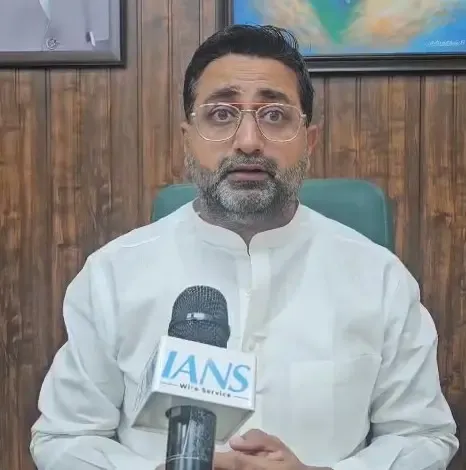
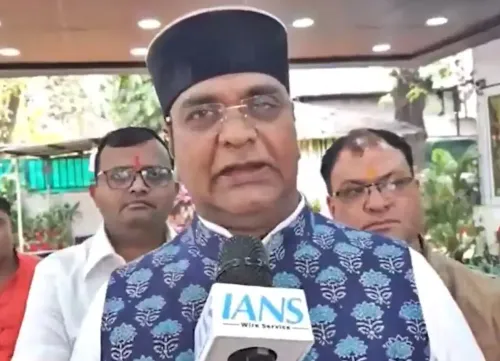
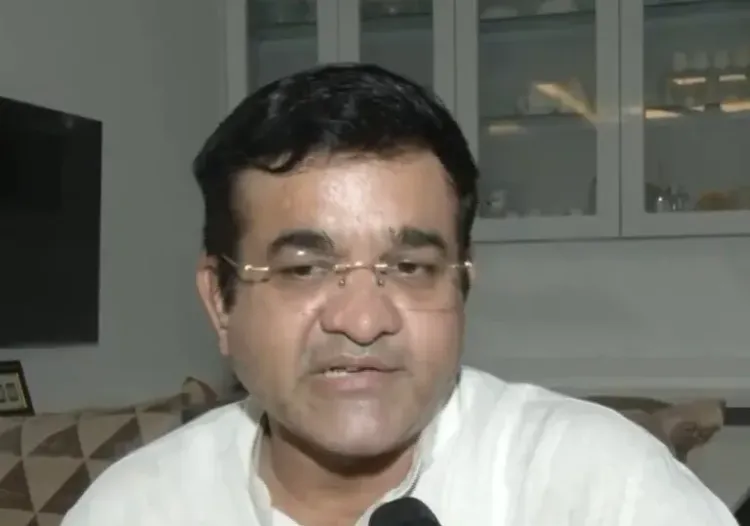
Animesh Bhargave, one of two non-Muslim members appointed to the reconstituted Madhya Pradesh Waqf Board, has outlined his priorities as tackling income leakages, curbing encroachments, and improving the utilisation of Waqf properties — while defending his appointment as a legally mandated, inclusive step. Bhargave spoke to reporters in Bhopal on 7 July, weeks after Madhya Pradesh became the first state in the country to reconstitute its Waqf Board under the Waqf Amendment Act, 2025.
Key Priorities Outlined
Bhargave said the ten-member Board's immediate focus would be on increasing the efficiency of Waqf-owned properties and ensuring that income generated from them reaches the disadvantaged and marginalised sections within the minority community. He flagged underutilisation and rent defaults as two of the most pressing problems.
'The government's intention behind appointing us is to bring transparency. Many people have flagged underutilisation of Waqf properties and encroachment on land. Buildings and assets have been taken over, but proper rent is not being paid, so the board is not generating adequate income. We aim to improve these areas and stop leakages,' Bhargave said.
Role as Expert and Advisor
Bhargave described his formal role on the Board as that of an 'expert and advisor', stating that he and fellow non-Muslim member Manoj Malpani would help devise strategies to prevent revenue loss and improve income generation from Waqf assets. 'The properties are being misused. The potential income they could generate is not being realised. I will try to contribute as an expert or advisor in this regard,' he elaborated.
Responding to the Controversy
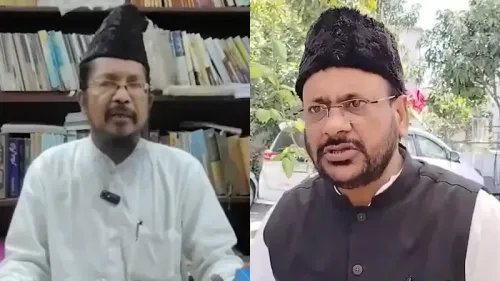
The appointments of Bhargave and Malpani triggered political controversy and widespread public debate. Responding to critics, Bhargave argued that those opposing greater transparency were individuals who had long controlled these properties and feared that scrutiny would expose their hold over them. He maintained that the inclusion of non-Muslim members was fully in accordance with laws enacted by Parliament and described it as 'nothing immoral'.
Waqf Amendment Act, 2025: What Changed
Under the earlier Waqf Act, 1995, members of State Waqf Boards were drawn exclusively from the Muslim community. The Waqf Amendment Act, 2025 mandates the inclusion of at least two non-Muslim members in each State Waqf Board — a significant structural departure from the previous framework. Madhya Pradesh is the first state to act on this provision, reconstituting its Board ahead of other states.
The restructured Board is expected to streamline Waqf-related administration, prevent encroachments, and ensure that these properties serve their intended socio-economic purposes, according to the state government. How effectively the new composition translates reform intent into measurable outcomes will be closely watched in the months ahead.
Point of View
And Madhya Pradesh is the test case. Bhargave's framing — leakages, encroachments, underutilisation — is essentially an audit agenda, which is uncontroversial in principle. The real question is whether the Board has the institutional capacity and political backing to act on these findings without the reform becoming a political football. The controversy around the appointments risks overshadowing the substantive governance issues Bhargave has raised, which are real and long-documented by Waqf tribunal records across states.
NationPress
6 Oct 2026
Frequently Asked Questions
Who is Animesh Bhargave and what is his role in the MP Waqf Board?
Animesh Bhargave is one of two non-Muslim members appointed to the reconstituted Madhya Pradesh Waqf Board under the Waqf Amendment Act, 2025. He describes his role as that of an expert and advisor, focused on improving transparency and plugging income leakages from Waqf properties.
What is the Waqf Amendment Act, 2025, and what does it change?
The Waqf Amendment Act, 2025 mandates the inclusion of at least two non-Muslim members in each State Waqf Board, replacing the earlier Waqf Act, 1995, under which all board members were drawn exclusively from the Muslim community. Madhya Pradesh is the first state to reconstitute its board under the new law.
Why have the appointments of Hindu members to the MP Waqf Board been controversial?
Critics have questioned the inclusion of non-Muslim members in a body that administers Islamic endowment properties. Bhargave has responded that the move is legally mandated by Parliament and that opposition stems from those who fear transparency will end their control over Waqf assets.
What specific problems has Bhargave identified in the Waqf Board's functioning?
Bhargave has flagged underutilisation of Waqf properties, encroachments on land, rent defaults by occupants, and inadequate income generation as the key problems. He has said the board is not realising the full revenue potential of its assets.
Who is the other non-Muslim member of the MP Waqf Board?
Manoj Malpani is the other non-Muslim member of the newly constituted Madhya Pradesh Waqf Board, appointed alongside Animesh Bhargave under the provisions of the Waqf Amendment Act, 2025.