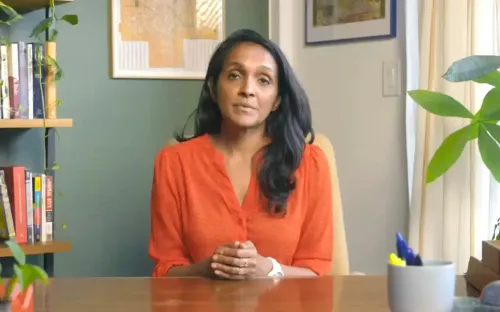
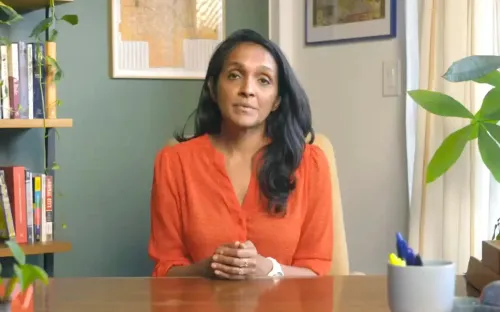
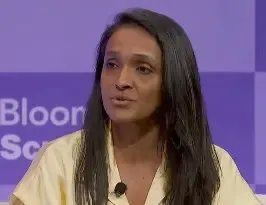
Kerala-born Nithya Raman elected Los Angeles mayor, first Asian American in role

Synopsis
A Kerala-born urban planner who once slept outside in Boston's cold to spotlight homelessness has just been elected mayor of Los Angeles — defeating an incumbent and becoming the city's first Asian American mayor. Nithya Raman's win, built on a housing-first agenda and a generational voter coalition, sets up a defining test: can she deliver for a city of 4 million with the 2028 Olympics on the horizon?
Key Takeaways
Nithya Raman was projected winner of the Los Angeles mayoral election on 6 November 2026 , defeating incumbent Mayor Karen Bass with approximately 53 per cent of the vote.
Raman, 45 , will be the first Asian American mayor of Los Angeles , taking office in December 2026 .
She was born in 1981 in Thrissur, Kerala , and became a naturalised US citizen at 22 .
She holds a graduate degree in urban planning from MIT and previously co-founded the SELAH Neighbourhood Homeless Coalition in 2017 .
The Los Angeles police union spent more than $5 million opposing her campaign, according to finance records.
Raman faces an immediate challenge: a compressed transition for a city of 4 million people, with the 2028 Summer Olympics adding pressure to deliver on her housing agenda.
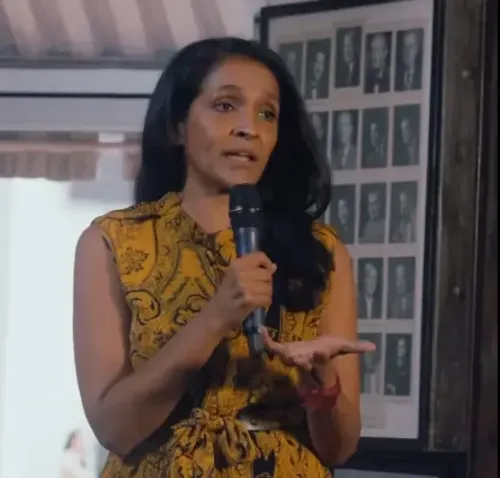
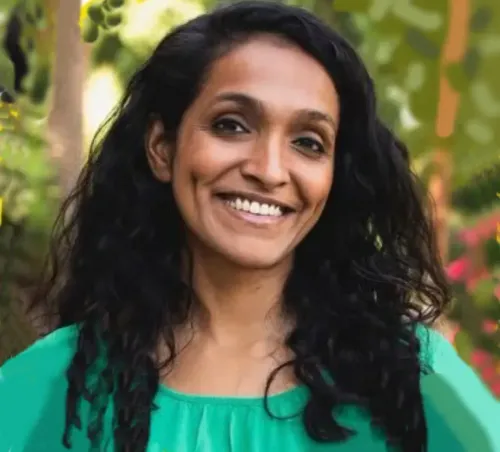
Nithya Raman, a Kerala-born urban planner, was projected the winner of the Los Angeles mayoral race on Thursday, 6 November 2026, defeating incumbent Mayor Karen Bass with roughly 53 per cent of the vote to become the first Asian American mayor of America's second-largest city. Results, with approximately 874,000 ballots counted, remain unofficial, but Bass conceded and committed to a smooth transition. Raman, 45, is set to take office in December.
A Victory Rooted in Immigrant Identity
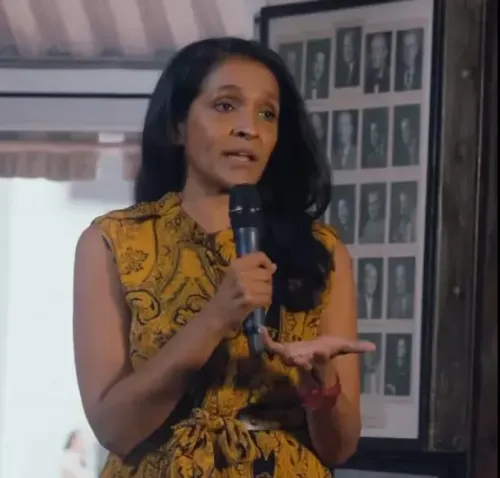
Speaking at the Original Farmers Market on election night, Raman framed her win in deeply personal terms. 'And the idea that Angelenos voted for an immigrant to be their next mayor at this moment in American history is so deeply moving to me,' she said. She brought her parents, brother, husband, and 10-year-old twins on stage at her gathering at the Greek Theatre plaza. 'Hopelessness can be fatal for a city, but this campaign refused to accept that,' she added, according to reports.
From Thrissur to City Hall
Raman was born in 1981 in Thrissur and briefly lived in Thiruvananthapuram, where her father, Venkitaraman, worked at KELTRON and her mother, Sudha Kechery, worked in banking. She left India at around age six and became a naturalised American citizen at 22, taking the oath in Boston. At Harvard, she studied Social Studies and participated in a programme providing interest-free loans to tenants facing eviction — an early signal of the housing focus that would define her career. Her freshman-year roommate recalled her sleeping outside in freezing weather to draw attention to homelessness.
India shaped her professional direction further. Working with slum-based organisations in Delhi against evictions, she told an Indian newspaper in 2020: 'Seeing how the government decisions negatively impacted the lives and livelihoods of so many made me realise how important urban governance was. That pushed me to study urban planning.' She earned a graduate degree in urban planning at the Massachusetts Institute of Technology (MIT), where her thesis adviser, Balakrishnan Rajagopal, described her subsequent political career as following a 'straight line' rooted in housing and the lives of marginalised people. After MIT, she returned to India to build Transparent Chennai, a civic-data project, before moving to Los Angeles in 2013.
A Political Rise Built on Housing and Accountability
Working in the City Administrative Officer's office after arriving in Los Angeles, Raman examined homelessness spending and found that much of about $100 million went towards arrests rather than housing, outreach, or services. She co-founded the SELAH Neighbourhood Homeless Coalition in 2017 and later led Time's Up Entertainment. Her 2020 defeat of Councilman David Ryu made her the first challenger in 17 years to unseat a Los Angeles council incumbent, according to the Los Angeles Times.
On the council, Raman backed stronger renter protections. Legislation she supported extended protections against eviction without specific cause to approximately 400,000 additional rental units, according to city figures. In November 2025, the council approved her proposal to lower annual rent-increase limits for rent-stabilised apartments from 3–8 per cent to 1–4 per cent, depending on inflation. 'The city has not done enough to protect renters,' she said before that vote.
A Bruising Campaign and Its Fault Lines
Raman's mayoral bid began with a break from Bass, whom she had previously endorsed. She reportedly decided to challenge Bass the night before the February 7 filing deadline. Nine council colleagues reaffirmed their support for the incumbent. Raman finished second in the June primary, securing a place in the runoff. The contest grew contentious: the Los Angeles police union spent more than $5 million opposing Raman, according to campaign finance records. Critics also pointed to shortfalls in her record — her rental-voucher programme aimed to house 600 households by July 1, but only three had moved in by then, rising to 54 by August 13. Her coalition was notably generational: Democratic consultant Mike Trujillo, a Bass backer, described it as 'not a geographic coalition or racial coalition; this is a when-you-were-born coalition.'
What Lies Ahead
Raman acknowledged the compressed timeline ahead, telling the Times that hers was 'one of the shortest transitions across the country — for a city of 4 million people where the challenges are absolutely immense.' Her housing agenda now faces the stress test of governance, with preparations for the 2028 Summer Olympics adding urgency. Her husband, Vali Chandrasekaran, whom she met at Harvard, is a television writer with credits including Modern Family and 30 Rock. The Kerala community in India and the Indian-American diaspora across the US have been closely following her ascent — a journey from Thrissur to Los Angeles City Hall that spans continents, decades, and a lifelong commitment to cities and the people who struggle within them.
Point of View
But by out-credentialling Bass on the very issue Bass claimed as her own: homelessness. The generational split is the real signal here; younger Los Angeles voters chose a candidate shaped by MIT, civic data, and community organising over an established Democratic machine. Yet Raman's own record on delivery — a rental-voucher programme that housed three families when it promised 600 — means her mandate will be won or lost on execution, not biography. With the 2028 Olympics forcing a global spotlight on homelessness in Los Angeles, the pressure to convert policy ambition into visible results is both immediate and unforgiving.
NationPress
7 Nov 2026
Frequently Asked Questions
Who is Nithya Raman and why has she won the Los Angeles mayor election?
Nithya Raman is a 45-year-old Kerala-born urban planner and Los Angeles city councillor who was projected the winner of the LA mayoral race on 6 November 2026, securing approximately 53 per cent of the vote against incumbent Mayor Karen Bass. She ran on a platform focused on housing affordability and homelessness and will become the city's first Asian American mayor when she takes office in December.
What is Nithya Raman's connection to India?
Raman was born in 1981 in Thrissur, Kerala, and briefly lived in Thiruvananthapuram before leaving India at around age six. Her father worked at KELTRON and her mother in banking. She later returned to India after MIT to build Transparent Chennai, a civic-data project, and previously worked with slum-based organisations in Delhi — experiences she credits with driving her into urban planning.
When will Nithya Raman take office as Los Angeles mayor?
Raman is set to take office in December 2026, though results remain officially unofficial. Mayor Karen Bass conceded on election night and committed to ensuring a smooth transition.
What are the main challenges Nithya Raman faces as LA mayor?
Raman faces an extremely compressed transition for a city of 4 million people, compounded by preparations for the 2028 Summer Olympics. Her core challenge will be delivering on her housing and homelessness agenda — her record on delivery drew scrutiny during the campaign, including a rental-voucher programme that fell well short of its initial targets.
How did Nithya Raman win the Los Angeles mayor election?
Raman finished second in the June 2026 primary before entering a runoff against Bass. She built a coalition notably skewed toward younger voters and overcame a $5 million opposition campaign by the Los Angeles police union. Her focus on renter protections, housing data, and council-level oversight work gave her credibility on the homelessness issue that defined the race.