Kim Jong-un calls China ties 'top priority' at Xi Jinping Pyongyang summit
Synopsis
Xi Jinping's first visit to Pyongyang in nearly seven years produced a striking declaration from Kim Jong-un: deepening ties with China is North Korea's single most important strategic priority. With both leaders pledging expanded cooperation across military, trade, and diplomacy, the summit marks the most visible Sino-North Korean alignment in a decade — and a direct signal to Washington and Seoul.
Key Takeaways
Kim Jong-un declared China ties North Korea's 'most important strategic priority' during summit talks in Pyongyang .
Xi Jinping's visit is his first State Visit to North Korea in nearly seven years , since 2019 .
Kim reaffirmed Pyongyang's support for Beijing's 'One China' principle and pledged to safeguard China's core interests.
Xi committed to protecting North Korea's interests and expanding cooperation across economy, trade, military, science, and healthcare .
Both leaders agreed to strengthen coordination across diplomacy, law enforcement, and the military .
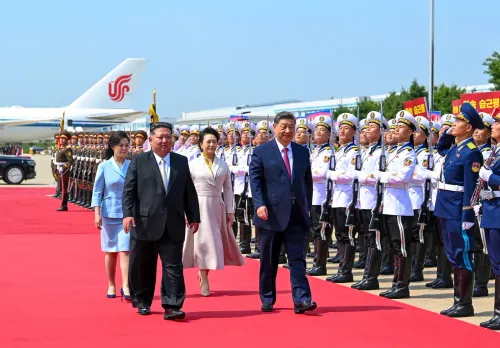
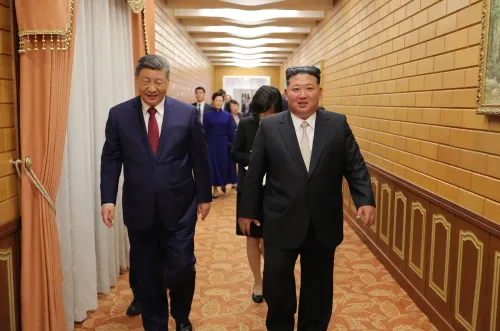
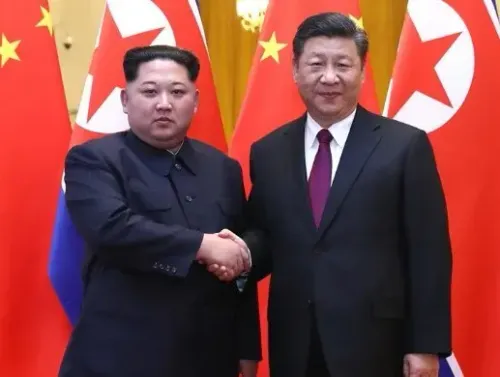
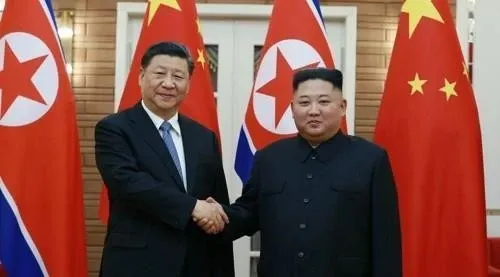
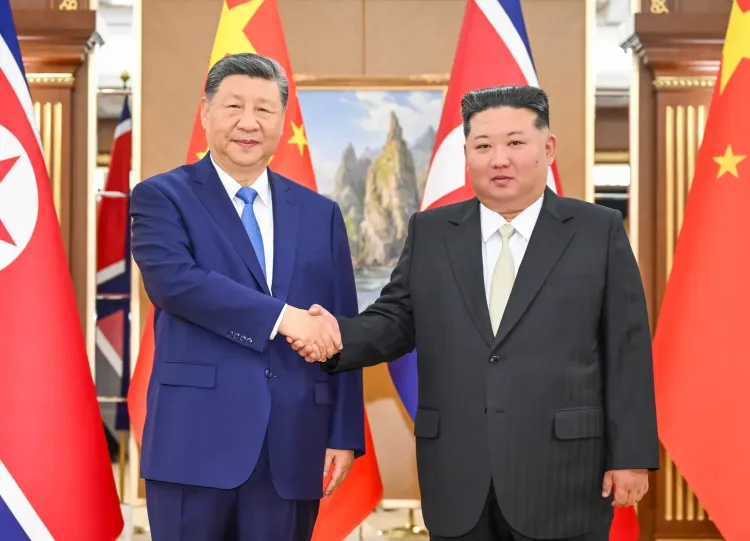
North Korean leader Kim Jong-un on Monday declared deepening ties with China his country's foremost strategic priority, as he held summit talks with Chinese President Xi Jinping in Pyongyang — Xi's first State Visit to the North Korean capital in nearly seven years. The high-stakes meeting signals a significant reaffirmation of the Pyongyang-Beijing axis at a time of sweeping geopolitical realignment.
Key Statements from the Summit
Kim described the development of North Korea-China friendship as 'the people's choice and the calling of the times,' according to China's state news agency Xinhua. He characterised mutual ties as the country's 'most important strategic priority,' pledging to work toward making the bilateral relationship an exemplary model between nations.
Kim also reaffirmed Pyongyang's support for Beijing's 'One China' principle and vowed to continue safeguarding China's core interests, citing what he called 'unprecedented, grand change' sweeping the international community.
What Xi Jinping Pledged
President Xi Jinping said China remained firmly committed to protecting North Korea's interests and expanding practical cooperation across a broad range of sectors — including the economy, trade, military, science, and healthcare. 'No matter how the international situation changes, the Chinese party and government's firm commitment to safeguarding the shared interests of the two countries and preserving a favourable strategic environment will not change,' Xi was quoted as saying.
Xi further called for sustained high-level exchanges, stronger coordination across diplomacy, law enforcement, and the military, and joint efforts to defend each other's sovereignty, security, and development interests.
Strategic Context
Xi's visit to Pyongyang is his first since 2019, and comes amid intensifying US-China rivalry, ongoing UN sanctions on North Korea, and Pyongyang's accelerating weapons programme. The timing underscores Beijing's interest in keeping North Korea as a strategic buffer, while Kim gains a powerful diplomatic endorsement at a moment of international isolation. Notably, this is the most visible display of Sino-North Korean solidarity in nearly a decade.
The two leaders also agreed to 'chart the course of bilateral relations from a strategic perspective,' with Xi indicating China was ready to push for greater development of the partnership going forward.
What Comes Next
Analysts will closely watch whether the summit produces concrete economic or military cooperation agreements, particularly given the breadth of sectors Xi cited. Any expansion of trade ties could face scrutiny from the international community over existing sanctions regimes. The summit's outcomes are expected to reverberate across regional diplomacy, with implications for South Korea, Japan, and the United States.
Point of View
Loudly, that it will not allow North Korea to drift into further isolation or unpredictability at a time when US pressure on both countries is mounting. The breadth of sectors Xi cited for cooperation — military, economy, law enforcement — goes well beyond diplomatic boilerplate. For Kim, the summit delivers something invaluable: international legitimacy and a powerful patron's public backing, without any apparent concessions on his weapons programme. The real question mainstream coverage is missing is whether expanded economic ties will give Beijing greater leverage over Pyongyang's behaviour, or simply entrench a relationship that has historically operated on North Korean terms when it mattered most.
NationPress
22 Oct 2026
Frequently Asked Questions
What was the key outcome of the Kim Jong-un and Xi Jinping summit in Pyongyang?
Kim Jong-un declared deepening ties with China his country's 'most important strategic priority' and reaffirmed support for Beijing's 'One China' principle. Xi Jinping pledged to protect North Korea's interests and expand bilateral cooperation across the economy, trade, military, science, and healthcare.
When did Xi Jinping last visit North Korea before this summit?
Xi Jinping's visit to Pyongyang is his first State Visit in nearly seven years, with his previous visit having taken place in 2019. The gap underscores the significance of the renewed in-person engagement between the two leaders.
Why does this summit matter for regional security?
The summit represents the most visible display of Sino-North Korean alignment in nearly a decade, with direct implications for South Korea, Japan, and the United States. Both sides pledged stronger military and diplomatic coordination, raising questions about the future trajectory of denuclearisation talks and regional stability.
What did Kim Jong-un say about the international situation?
Kim said the international community was going through 'unprecedented, grand change' and used this framing to justify closer alignment with Beijing. He vowed to keep helping safeguard China's core interests and pledged to jointly contribute to regional and global peace and prosperity.
What sectors did Xi Jinping mention for expanded cooperation with North Korea?
Xi cited the economy, trade, military, science, and healthcare as areas for expanded practical cooperation. He also called for stronger coordination across diplomacy, law enforcement, and the military, and emphasised jointly defending each other's sovereignty and security interests.