Xi Jinping visits North Korea to reclaim China's role as Pyongyang's top partner
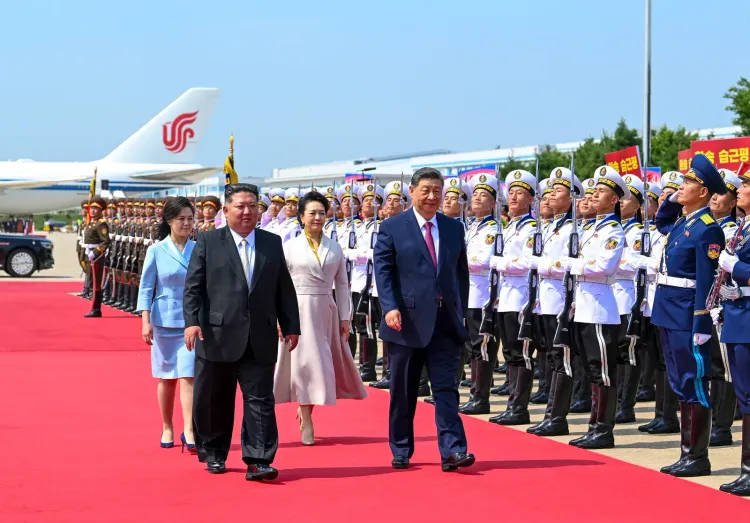
Synopsis
Xi Jinping's trip to North Korea is less a friendship visit and more a recalibration exercise — Beijing is watching Pyongyang drift closer to Moscow and is moving to reassert its primacy. With Kim revealing a new uranium enrichment facility days before the summit, China faces an uncomfortable choice: accept North Korea's nuclear escalation to preserve bloc unity, or push back and risk losing its last lever of influence.
Key Takeaways
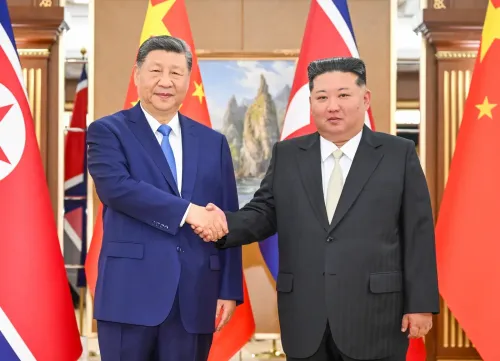
Xi Jinping visited North Korea in an effort to reassert Beijing as Pyongyang 's 'most consequential partner,' according to a Taipei Times analysis.
North Korea 's alignment with Russia has reduced China 's leverage over Kim Jong-un by providing economic relief and political recognition independent of Beijing .
Days before the summit, North Korea revealed a new uranium enrichment facility and Kim vowed to grow nuclear forces 'at an exponential rate.' CSIS Senior Advisor Sydney Seiler said Xi aims to project leadership within the China - Russia - Iran - North Korea bloc while framing US global influence as declining.
Analysts warn that if China tacitly accepts North Korea 's nuclear status, it signals Beijing 's willingness to accommodate destabilising realities for bloc cohesion.
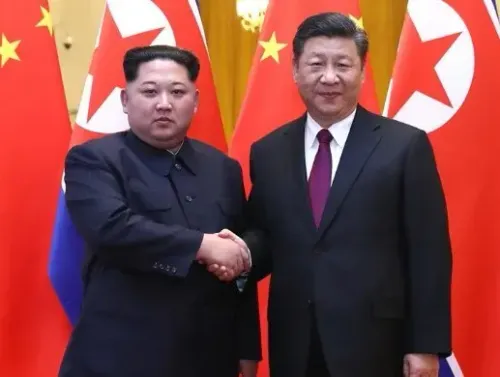
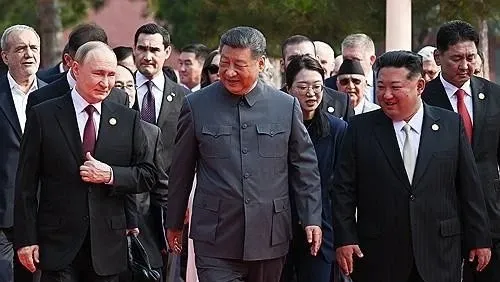
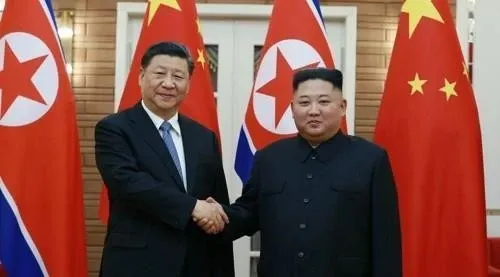
Chinese President Xi Jinping has travelled to North Korea in what analysts describe as a calculated effort to reassert Beijing as Pyongyang's 'most consequential partner,' according to a detailed analysis by the Taipei Times. The visit comes at a moment of shifting alliances, with North Korea's deepening ties with Russia having steadily eroded China's traditional leverage over Kim Jong-un.
The Strategic Stakes of the Summit
The visit is being read as far more than a routine bilateral meeting between two neighbouring states. 'The summit is not simply a bilateral meeting between two neighbours; it is a signal to a wider audience about who is organising political alignment in Asia,' according to the report.
Kim's partnership with Russia has provided Pyongyang with economic relief and political recognition — benefits that no longer require Beijing's endorsement. That shift has directly challenged China's long-held position as North Korea's indispensable patron.
Xi's Message and the Rodong Sinmun Editorial
Ahead of his arrival, an editorial published in the state-run Rodong Sinmun carried a statement attributed to Xi: 'We must oppose hegemony, authoritarianism and all attempts and conspiracies to revive militarism that endanger regional security and stability.'
While the language ostensibly targets Japan's expanding defence posture, analysts note that the framing also encompasses the broader US alliance architecture in East Asia — increasingly presented by Beijing as a unified strategic threat linking Tokyo, Seoul, Washington, and Taipei in a single picture.
North Korea's Nuclear Escalation
Days before the summit, North Korea revealed a new uranium enrichment facility, with Kim Jong-un announcing plans to expand the country's nuclear forces 'at an exponential rate.' The timing was notable — a display of autonomous capability even as Beijing sought to project influence over Pyongyang.
Analysts warn of a significant implication: 'If China tacitly accepts North Korea's nuclear status as part of the political price for closer ties, it signals that Beijing is willing to accommodate destabilising realities on the ground to preserve bloc cohesion,' according to the report.
What Experts Are Saying
Sydney Seiler, Senior Advisor at the Centre for Strategic and International Studies (CSIS) Korea Chair and a former US intelligence official, said Xi is 'hoping to demonstrate a dynamic leading role on the international stage, particularly within the China, Russia, Iran, North Korea grouping of revisionist autocracies, while portraying US influence globally as in decline.'
What This Means for Asia's Balance of Power
The visit underscores a broader contest over political alignment in Asia, with Beijing seeking to demonstrate that even a more independent North Korea still finds value in close ties with China. The outcome of the summit could shape how the region's revisionist bloc coheres — or fractures — in the months ahead.
Point of View
And Xi's summit is essentially a bid to close that ramp. The nuclear escalation announcement days before the visit is Kim signalling that he sets his own terms. If Beijing accepts North Korea's nuclear status to preserve bloc optics, it will have traded non-proliferation credibility for an alliance that is increasingly on Pyongyang's — not Beijing's — schedule.
NationPress
22 Sept 2026
Frequently Asked Questions
Why did Xi Jinping visit North Korea?
Xi Jinping visited North Korea to reassert Beijing as Pyongyang's primary strategic partner, according to analysts. North Korea's deepening ties with Russia have reduced China's leverage over Kim Jong-un, and the visit is seen as an effort to reclaim influence.
How has North Korea's relationship with Russia affected China?
North Korea's growing alignment with Russia has allowed Kim Jong-un to secure economic relief and political recognition without requiring Chinese approval, steadily eroding Beijing's traditional leverage over Pyongyang.
What did North Korea announce before the Xi-Kim summit?
Days before the summit, North Korea revealed a new uranium enrichment facility, with Kim Jong-un announcing plans to expand the country's nuclear forces 'at an exponential rate,' signalling continued autonomous military development.
What is the significance of the Rodong Sinmun editorial?
An editorial in North Korea's state-run Rodong Sinmun, published ahead of Xi's arrival, carried remarks opposing 'hegemony, authoritarianism and militarism.' Analysts say the language targets not just Japan's defence posture but also the broader US alliance architecture in East Asia.
What do experts say Xi hopes to achieve from the visit?
CSIS Senior Advisor Sydney Seiler said Xi is seeking to demonstrate a 'dynamic leading role' within the China-Russia-Iran-North Korea grouping of revisionist states, while framing US global influence as in decline.