Raja Krishnamoorthi's Close Defeat in Illinois Senate Primaries
Synopsis
Raja Krishnamoorthi, a prominent critic of Trump and Illinois representative, narrowly lost the Democratic Senate nomination primaries to Juliana Stratton, backed by powerful politicians. This defeat puts his Senate ambitions on hold, marking a significant moment in Illinois politics.
Key Takeaways
Juliana Stratton wins the Illinois Senate primary against Raja Krishnamoorthi .
Krishnamoorthi campaigned on a platform opposing Trump's policies .
High financial backing played a crucial role in the election dynamics.
This defeat diminishes the presence of Indian Americans in Congress.
The political landscape in Illinois faces significant shifts after this primary.
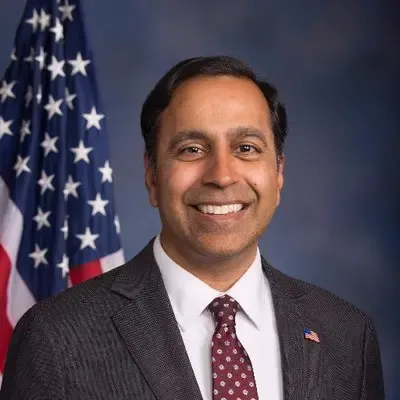
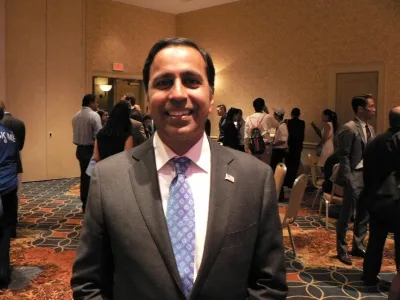
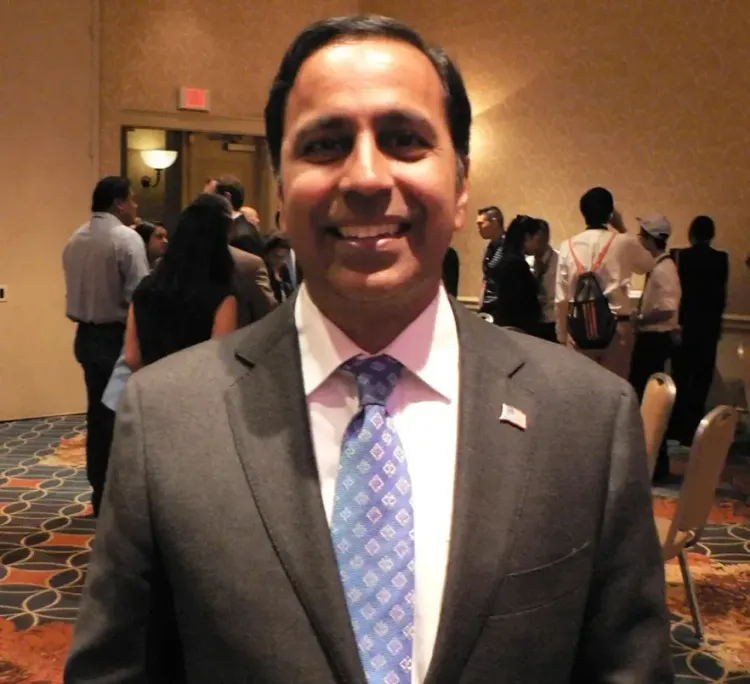
New York, March 18 (NationPress) Raja Krishnamoorthi, a moderate Democrat serving in the House of Representatives and a vocal opponent of President Donald Trump, faced a narrow defeat in his pursuit of the Illinois Senate nomination during the primaries.
As the vote counting progressed, media outlets announced his primary challenger, Illinois Lieutenant Governor Juliana Stratton, as the projected winner late Tuesday night.
By 10 p.m. local time in Illinois, three hours post-poll closure, Stratton led by approximately 6 percent, with around 85 percent of votes tabulated.
The Democratic primary victor is likely to secure a win in the November general elections against a Republican contender in this reliably blue state, where Kamala Harris outperformed Trump by 11 percent in the recent 2024 presidential race.
This primary loss dashed Krishnamoorthi's hopes of becoming the second Indian American to hold a Senate seat, following Harris, who ascended to the vice presidency and became the Democratic presidential nominee.
Since 2017, Krishnamoorthi has been a prominent member of the House, running a well-funded campaign against Stratton, who was backed by the Illinois Democratic Party establishment.
She received support from influential figures like billionaire Governor J.B. Pritzker and Senator Tammy Duckworth.
Representative Robin Kelly, another African American candidate, finished third in the race to succeed Democrat Dick Durbin, who opted not to seek re-election.
The primary was characterized by commentators as a battle of influence between Krishnamoorthi and Pritzker, who is campaigning for a third term and strategically positioned his ally, Stratton, against Krishnamoorthi.
Pritzker, heir to the Hyatt hotel fortune, invested $5 million from his wealth to support Stratton in a primary marked by significant financial backing on both sides.
According to an ad spending tracking firm, approximately $29 million was allocated to support Krishnamoorthi, while Stratton's camp spent around $16 million.
Although Pritzker's substantial support for Stratton became a focal point of the election, Krishnamoorthi's backing by Fairshakes, a political action committee associated with digital and cryptocurrency interests, also raised eyebrows.
This was due to Fairshake's financial contributions to ads supporting Kelly, perceived as an attempt to divide African American votes in favor of Krishnamoorthi, despite him not directly benefiting from that expenditure.
Krishnamoorthi also garnered approximately $250,000 from the Indian American Impact Fund, a political action committee representing the community.
His campaign prominently featured his opposition to Trump’s policies, particularly his recent denunciation of what he termed an "unauthorized war with no end in sight" in Iran.
He voted against a Senate resolution regarding Trump's Iran War, which garnered bipartisan support but ultimately failed.
Additionally, he advocated for legislation aimed at reversing some of Trump's welfare policy changes.
With escalating prices driven by the Iran conflict, economic issues and affordability were key focal points for him.
Born in New Delhi, Krishnamoorthi immigrated to the U.S. at three months old when his father came to pursue higher education and the American Dream.
This immigrant narrative resonated with a significant campaign theme related to Trump’s immigration policies, which led to controversial arrests during his Operation Midway Blitz in Chicago, affecting around 1,600 individuals.
In a campaign advertisement, Krishnamoorthi stated, "I’m an immigrant myself," further asserting, "That’s why stopping Trump and ICE’s attacks on our communities is deeply personal to me."
He called for the termination of Trump’s approach to the Immigration and Customs Enforcement (ICE) agency and advocated for its reform.
In contrast, Stratton has proposed a complete abolition of ICE.
As Krishnamoorthi prepares to vacate his House seat at the end of his term, this will reduce the membership of the so-called "Samosa Caucus" of Indian Americans in Congress, unless new representatives secure victories in November.
Point of View
Raja Krishnamoorthi's narrow loss in the Illinois Senate primaries signifies a critical moment for the Democratic Party in the state. His campaign, marked by significant financial backing and a strong stance against Trump, reflects the ongoing dynamics within party politics. The implications of this election are poised to resonate in the broader national landscape.
NationPress
3 Oct 2026
Frequently Asked Questions
Who won the Illinois Democratic Senate primary?
Juliana Stratton, the Lieutenant Governor of Illinois, won the Democratic Senate primary against Raja Krishnamoorthi.
What issues did Krishnamoorthi focus on during his campaign?
Krishnamoorthi focused on economic affordability, opposition to Trump's policies, particularly regarding Iran, and immigration reform.
How has financial backing influenced the primary outcome?
Juliana Stratton received substantial financial support from Governor J.B. Pritzker, while Krishnamoorthi's campaign was significantly funded as well, leading to a highly competitive primary.
What is the significance of Krishnamoorthi's loss?
Krishnamoorthi's loss prevents him from becoming the second Indian American in the Senate, impacting representation and the Democratic Party's future in Illinois.
What are the next steps for Krishnamoorthi?
Krishnamoorthi will conclude his term in the House, and his future political aspirations remain uncertain following this primary defeat.