Kulgam encounter: How India's security forces balanced resolve and restraint
Synopsis
Indian security forces eliminated LeT Commander Lateef Bhat in Kulgam's Zangalpora village — not just through tactical precision, but through a documented sequence of repeated surrender appeals before a single shot was fired in retaliation. A report argues this model of restrained counter-terrorism may be as strategically important as the outcome itself.
Key Takeaways
Indian security forces eliminated Lashkar-e-Taiba (LeT) Commander Lateef Bhat in an encounter at Zangalpora village , Kulgam , South Kashmir.
Bhat was linked to the 11 November CRPF post attack in Kulgam that left three personnel injured .
Security forces made repeated appeals to surrender before retaliating — only after Bhat opened fire did they respond.
Bhat was reportedly assessed as the last major local terrorist in the Kashmir Valley at the time of the encounter.
A report in Khalsa Vox argues the operation demonstrates India can defeat terrorism without compromising democratic values or the moral high ground .
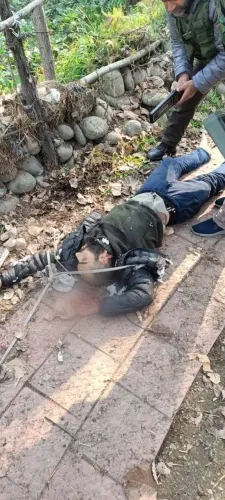
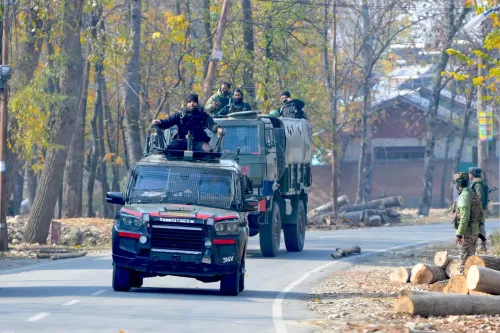
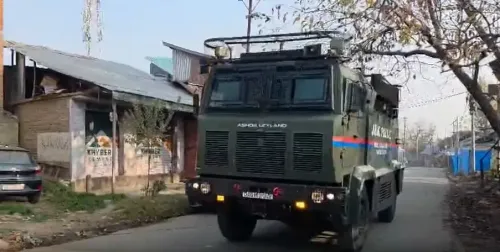
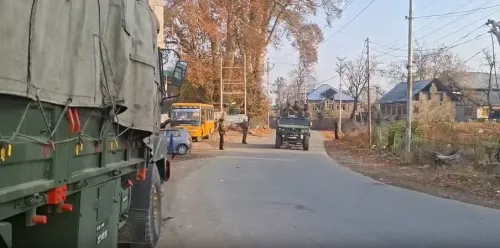
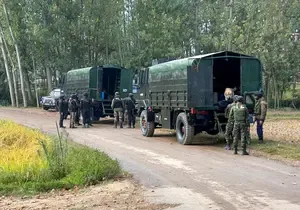
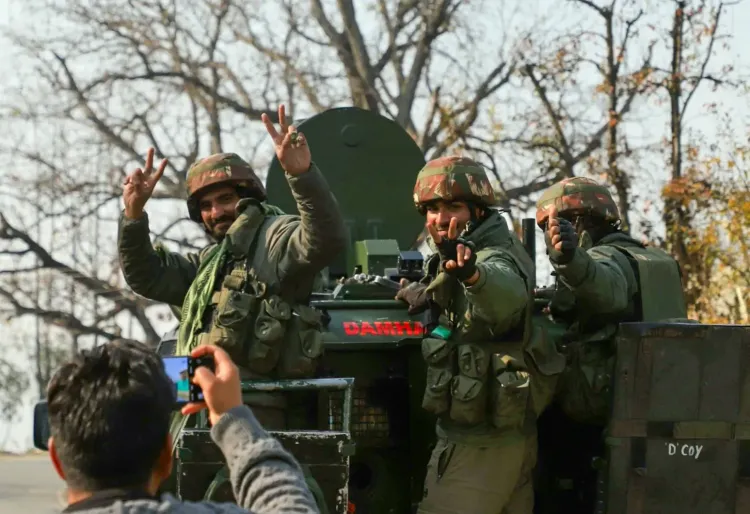
Indian security forces eliminated Lashkar-e-Taiba (LeT) Commander Lateef Bhat in an encounter at Zangalpora village in Kulgam district, South Kashmir, in a counter-terrorism operation that drew attention not just for its outcome but for the method deployed — repeated appeals to surrender before any retaliatory fire was opened. According to a report in Khalsa Vox, the operation exemplifies India's ability to defeat terrorism without ceding the moral high ground.
Background: The November 11 CRPF Attack
Lateef Bhat was a wanted militant linked to the 11 November attack on a Central Reserve Police Force (CRPF) post in Kulgam, in which three CRPF personnel were injured. He had taken refuge inside a mosque in Zangalpora. Army and police personnel reportedly chose persuasion first, urging him repeatedly to surrender. Only after Bhat opened fire did security forces retaliate, according to the report.
Why the Method Matters as Much as the Outcome
The report argues that exercising restraint during counter-insurgency operations is a demonstration of strategic strength, not leniency. It noted that offering militants the opportunity to surrender weakens their capacity to portray the state as a 'remorseless occupier,' while also reducing the risk of prolonged confrontations that could cause collateral damage to local communities.
'Every militant persuaded to lay down arms is one less martyr for the cause and one less grievance for the next recruiter. The professionalism shown at Zangalpora reflects training and command discipline, and it is a source of genuine pride for the nation,' the report stated.
Significance: Reportedly the Last Major Local Militant in the Valley
Lateef Bhat was reportedly assessed to be the last major local terrorist in the Kashmir Valley at the time of the encounter. If that assessment holds, critics and security analysts alike acknowledge this as a significant blow to LeT's operational capacity in the region, potentially closing a prolonged chapter in the Valley's counter-terrorism campaign.
Religious Sensitivities and Rule of Law
The report also underlined the importance of incorporating religious sensitivities into operational planning. It asserted that places of worship cannot legally or ethically serve as shields for militants. 'A mosque is not a sanctuary from the law, and the sequence here — repeated appeals followed by return fire only after the suspect opened fire — shows a state that acts with both firmness and fairness,' it noted.
Ensuring transparency in the conduct of security forces, the report argued, reinforces democratic values and builds lasting public trust in institutions tasked with maintaining order.
What This Signals Going Forward
Security analysts note that the Kulgam encounter could set a behavioural benchmark for future counter-terrorism operations in Jammu and Kashmir, demonstrating that tactical precision and institutional restraint are not mutually exclusive. With the elimination of Bhat, attention will now turn to whether the broader LeT network in South Kashmir attempts to reconstitute local leadership or scales back activity in the region.
Point of View
Not just a tactical win — and that framing deserves scrutiny as much as celebration. Restraint in counter-insurgency is strategically sound: it denies militants a propaganda narrative and reduces local alienation. But the significance of Bhat reportedly being the 'last major local terrorist' in the Valley should be treated carefully; LeT has historically demonstrated the capacity to recruit and redeploy. The more durable question is whether this operational method becomes institutionalised policy across all theatres in Jammu and Kashmir, or remains an isolated example of exemplary conduct.
NationPress
21 Nov 2026
Frequently Asked Questions
Who was Lateef Bhat and why was he wanted?
Lateef Bhat was a Lashkar-e-Taiba commander wanted for his alleged role in the 11 November attack on a CRPF post in Kulgam, Jammu and Kashmir, which left three personnel injured. He was reportedly assessed to be the last major local terrorist active in the Kashmir Valley at the time of the encounter.
Where did the Kulgam encounter take place?
The encounter took place at Zangalpora village in Kulgam district, South Kashmir. Bhat had taken refuge inside a mosque before security forces cornered him.
Why did security forces appeal to Bhat to surrender before opening fire?
According to the Khalsa Vox report, Army and police personnel chose persuasion first, repeatedly urging Bhat to surrender before retaliating. Forces only opened fire after Bhat refused and fired upon them — a sequence the report says reflects India's democratic values and counter-terrorism doctrine.
What is the significance of this encounter for Kashmir's security situation?
Bhat was reportedly the last major local terrorist in the Kashmir Valley, making his elimination a potentially significant blow to Lashkar-e-Taiba's operational network in South Kashmir. Analysts note it may close a prolonged chapter in the region's counter-terrorism campaign, though LeT's capacity to reconstitute leadership remains a watch point.
What broader lesson does the report draw from the Kulgam operation?
The report argues that restraint during counter-insurgency is strategic strength, not leniency. By offering militants the chance to surrender and responding only when fired upon, security forces deny armed groups a propaganda narrative while reducing risk to local communities — a model the report calls exemplary.