Lavrov invokes Russia's military doctrine over Poland's Patriot missile plan
Synopsis
At the Valdai forum, Lavrov didn't just comment on Poland's Patriot missile proposal — he pointed directly to Russia's military doctrine and urged a careful reading of its nuclear-use thresholds. With Warsaw organising its 50th Ukraine aid tranche and now proposing joint Patriot production, the gap between NATO's eastern flank and Moscow's stated red lines is narrowing fast.
Key Takeaways
Russian Foreign Minister Sergei Lavrov invoked Russia's military doctrine at the Valdai International Discussion Club on 29 September 2026 , warning that relevant sections cited by President Putin merit careful study.
Polish Deputy Defence Minister Magdalena Sobkowiak-Czarnecka had proposed joint US-Ukraine-Poland production of Patriot air defence missiles at a 'safe place'.
Poland is organising its 50th tranche of military aid to Ukraine; total packages since 2022 are valued at approximately $5 billion .
A domestic controversy in summer 2026 erupted in Poland over earlier Patriot missile transfers to Ukrainian forces under a general NATO package.
Lavrov has previously claimed that Western countries have 'declared open war' on Russia, using Ukraine as a 'spearhead', remarks first made in April this year.
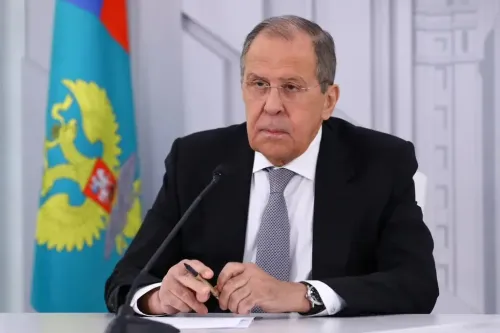
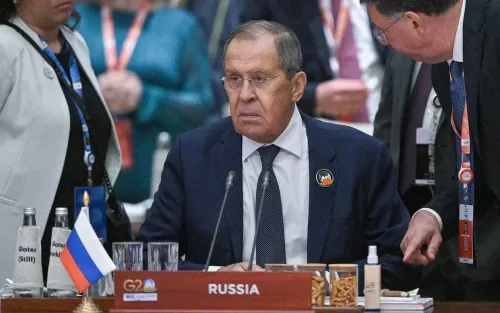
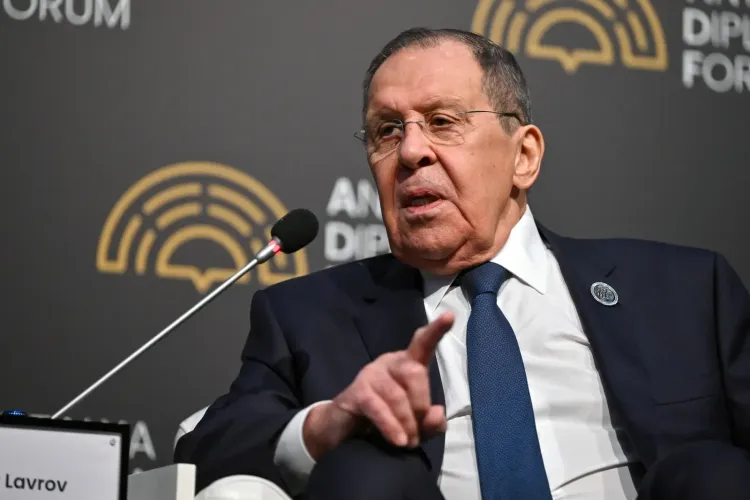
Russian Foreign Minister Sergei Lavrov on Tuesday, 29 September 2026 pointedly directed attention to Russia's official military doctrine while responding to Poland's proposal to jointly produce Patriot air defence missiles with the United States and Ukraine, warning that the relevant clauses of the document had already been cited repeatedly by President Vladimir Putin. The remarks came on the sidelines of the 23rd annual meeting of the Valdai International Discussion Club.
What Lavrov Said
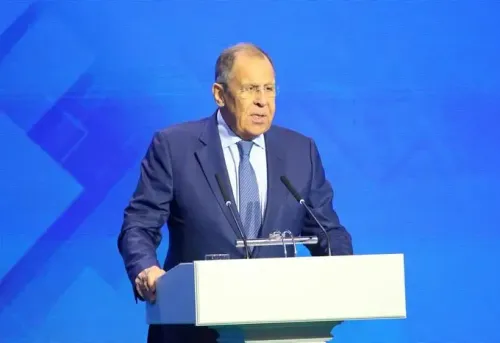
'We have a military doctrine on this matter, which the President of Russia, Vladimir Putin, has repeatedly quoted. I urge you to carefully study the relevant section of this most important document,' Lavrov told reporters at the Valdai forum. The statement is widely read as a veiled reference to Russia's declared thresholds for the potential use of nuclear or conventional retaliatory force against NATO-aligned infrastructure supporting Ukraine.
Poland's Patriot Missile Proposal
The trigger for Lavrov's remarks was a proposal by Polish Deputy Defence Minister Magdalena Sobkowiak-Czarnecka, who said Warsaw had suggested to Washington joint production of Patriot system missiles with Ukraine at a 'safe place' — a formulation that stops short of identifying a specific location. Poland is currently organising the 50th tranche of military aid to Ukraine, with total weapons packages delivered to Kyiv since 2022 valued at approximately $5 billion.
Notably, a controversy erupted in Poland during summer 2026 over the supply of several Patriot missiles to Ukrainian forces under a general NATO aid package. The Polish opposition at the time accused the government of compromising the country's own air defence, raising domestic political tensions over Warsaw's military posture.
Russia's Broader Framing of the Conflict
Lavrov's Valdai remarks build on a pattern of escalatory rhetoric. In April, addressing Russian non-governmental organisations, he alleged that Western countries — acting through Ukraine — had effectively declared war on Russia. 'Open war has been declared against us. The Kyiv regime is being used as a spearhead. But everyone knows that this spearhead is helpless without the material support of Western weapons, intelligence data, satellite systems, assistance in training military personnel, and much more,' he said at the time.
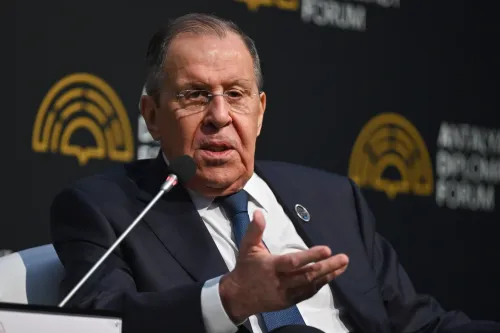
At the Antalya Diplomatic Forum, Lavrov went further, alleging that a senior officer from the Belgian General Staff had publicly stated that Belgium was preparing for war with Russia and using Ukraine to buy time. He framed Europe's role in stark historical terms: 'For the third time in modern human history, a global threat will originate from Europe. And they are now doing everything they can to ensure that Ukraine becomes the trigger for this global threat.'
What Russia's Military Doctrine Implies
Russia's military doctrine, last significantly updated in 2020 and subject to amendment since the Ukraine war began, outlines conditions under which Moscow reserves the right to use nuclear weapons — including scenarios where conventional attacks threaten the existence of the Russian state. Critics and Western analysts argue that Russia's repeated invocations of this doctrine are designed to deter NATO members from deepening their material support for Ukraine, rather than signal imminent escalation. However, each such reference from a senior official raises the diplomatic stakes considerably.
Implications for NATO's Eastern Flank
Poland's proposal underscores a broader shift on NATO's eastern flank: front-line states are moving from passive arms transfer to active manufacturing participation in the Ukraine conflict. If the joint Patriot production plan advances, it would mark a qualitative deepening of Western involvement — precisely the development Moscow says its doctrine addresses. How Washington responds to Warsaw's proposal, and whether other NATO members follow suit, will shape the conflict's next phase.
Point of View
Not a spontaneous remark — the Valdai forum is precisely the venue Moscow uses to shape Western threat perception. The real story is Warsaw's leap from arms supplier to potential co-producer of Patriot missiles: that is a qualitative escalation that Moscow cannot easily ignore domestically. Russia's doctrine references are consistently aimed at fracturing NATO unity on eastern-flank states, and Poland's domestic controversy over prior Patriot transfers shows the tactic has some traction. The question is whether Washington endorses Warsaw's proposal — if it does, Moscow's next move will define whether doctrine language translates into operational consequence.
NationPress
29 Sept 2026
Frequently Asked Questions
What did Lavrov say about Russia's military doctrine at the Valdai forum?
Lavrov urged reporters to carefully study the relevant section of Russia's military doctrine, noting that President Putin had cited it repeatedly. The statement is interpreted as a warning about Russia's declared thresholds for potential military response to NATO infrastructure supporting Ukraine.
What is Poland's proposal regarding Patriot missiles?
Polish Deputy Defence Minister Magdalena Sobkowiak-Czarnecka proposed to the US that Poland, the US, and Ukraine jointly produce Patriot air defence missiles at a 'safe place'. The proposal came as Warsaw organises its 50th tranche of military aid to Kyiv.
How much military aid has Poland provided to Ukraine?
Poland has delivered approximately $5 billion worth of military aid to Ukraine across all weapons packages since 2022. Warsaw is currently organising its 50th aid tranche.
What controversy over Patriot missiles erupted in Poland in 2026?
During summer 2026, it emerged that Poland had supplied several Patriot missiles to Ukrainian forces under a general NATO aid package. The Polish opposition accused the government of weakening the country's own air defences, triggering a domestic political row.
Why does Russia repeatedly reference its military doctrine in the context of Western support for Ukraine?
Russia's military doctrine outlines conditions under which Moscow reserves the right to use nuclear or large-scale conventional force, including scenarios threatening the Russian state. Western analysts argue these references are intended to deter deeper NATO involvement, while critics say Moscow uses doctrine language to create uncertainty without committing to specific action.