Law Enforcement Leaders Back Todd Blanche for Attorney General
Synopsis
The White House on 15 July 2026 announced that law enforcement leaders across the United States support Todd Blanche for Attorney General. Blanche, who served as President Trump's personal defense attorney in 2024, faces a Senate Judiciary Committee confirmation process as the nominee to head the U.S. Department of Justice.
Key Takeaways
The White House announced on 15 July 2026 that law enforcement leaders nationwide back Todd Blanche for Attorney General .
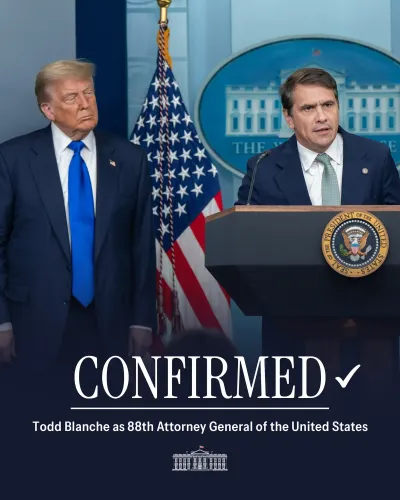
Todd Blanche previously served as President Donald Trump 's personal defense attorney in the 2024 New York criminal case.
The endorsement strategy mirrors the second Trump administration's broader pattern of using police community support to build backing for DOJ leadership.
Department of Justice oversees federal law enforcement, prosecutions, and legal policy — making the Attorney General one of the most consequential cabinet posts.
The nomination now heads to the Senate Judiciary Committee for hearings and a confirmation vote.
Questions over DOJ independence, given Blanche 's prior role as the president's personal lawyer, are expected to dominate the confirmation debate.
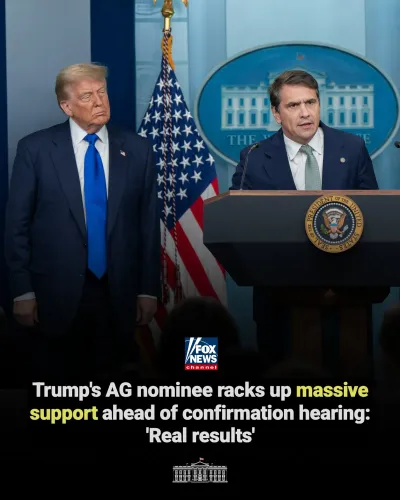
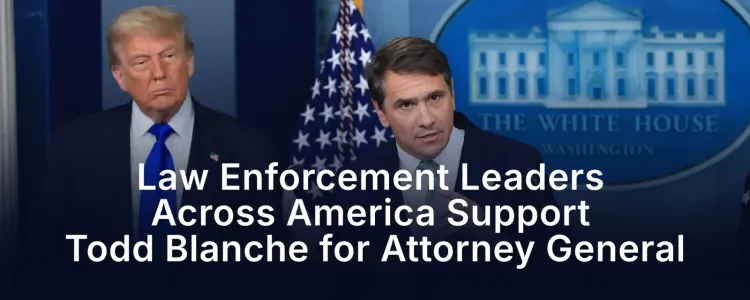
The White House announced on Wednesday, 15 July 2026 that law enforcement leaders across the United States have voiced their support for Todd Blanche as the next Attorney General, signalling broad backing from policing communities for the nominee to lead the U.S. Department of Justice.
Context
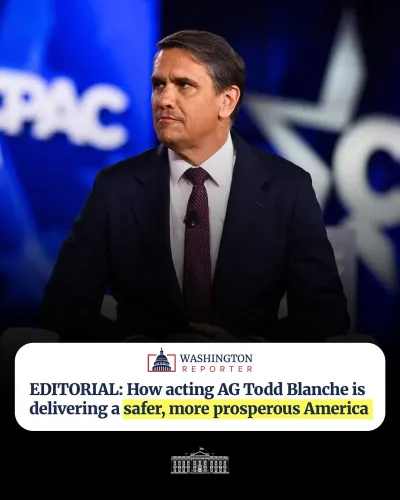
Todd Blanche is a prominent New York-based defense attorney who gained national attention for representing President Donald Trump in the 2024 criminal proceedings in New York, as well as other legal matters tied to the former and now-current president. His nomination to lead the DOJ places a close legal ally of Trump at the helm of the federal government's top law enforcement agency.
The White House's announcement framing law enforcement endorsements as a centrepiece of the nomination reflects a deliberate political strategy: positioning Blanche as a candidate aligned with the priorities of police organisations and federal prosecutors, rather than solely as a presidential confidant.
Policy Backdrop
During the 2024 presidential campaign, the Trump administration signalled its intent to appoint individuals with direct prior legal ties to the president to senior DOJ roles. This approach continues a pattern from Trump's first term, when law enforcement endorsements were used to build political capital for justice department leadership during debates over DOJ independence.
The U.S. Department of Justice oversees federal law enforcement, prosecutions, and legal policy across the country. The Attorney General, as its head, sets enforcement priorities that affect everything from immigration prosecutions to civil rights investigations, making the confirmation a matter of significant national consequence.
Stakeholders and Impact
Law enforcement agencies and their representative bodies carry considerable political weight in Senate confirmation battles, particularly for the Attorney General post. Their public endorsement of Blanche is intended to signal to senators — especially those from swing states with strong police union constituencies — that the nominee has the confidence of frontline officers and agency heads.
Federal prosecutors and career DOJ staff will be watching the confirmation closely, as the incoming Attorney General's priorities will shape prosecution policy, resource allocation, and the department's stance on issues ranging from organised crime to election law. Critics of appointing a president's personal attorney to the role have raised questions about institutional independence.
What's Next
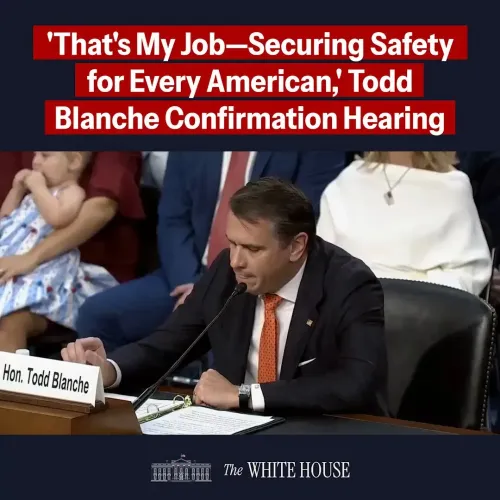
The nomination now moves toward the Senate Judiciary Committee, where hearings and a confirmation vote are expected. The committee is likely to scrutinise Blanche's prior role as Trump's personal defense attorney and press him on how he would maintain the DOJ's independence from political influence. The breadth and credibility of the law enforcement endorsements announced by the White House will likely feature prominently in arguments made by supporters during those hearings.
How Blanche navigates questions about the firewall between his past client relationship with the president and his prospective duties as the nation's top law enforcement officer will be the defining test of his confirmation prospects.
Point of View
The administration frames the pick as a pro-law-enforcement choice rather than a loyalty appointment. This mirrors a well-established playbook from Trump's first term, when executive appointments to sensitive oversight roles were legitimised through external endorsements rather than institutional pedigree. The Senate confirmation battle will test whether that framing holds against scrutiny of DOJ independence norms.
NationPress
14 Oct 2026
Frequently Asked Questions
Who is Todd Blanche and why is he nominated for Attorney General?
Todd Blanche is a prominent defense attorney who represented President Donald Trump during the 2024 New York criminal proceedings. He has been nominated by the Trump administration to serve as Attorney General and lead the U.S. Department of Justice.
What does the Attorney General of the United States do?
The Attorney General heads the U.S. Department of Justice, overseeing federal law enforcement, prosecutions, and legal policy across the country. The role sets enforcement priorities on issues ranging from immigration and organised crime to civil rights.
Why are law enforcement endorsements important for an Attorney General nomination?
Law enforcement agencies and police unions carry significant political weight in Senate confirmation battles. Their public support signals to senators — especially those representing states with strong police constituencies — that the nominee has the confidence of frontline officers and agency heads.
What is the Senate Judiciary Committee's role in confirming the Attorney General?
The Senate Judiciary Committee holds hearings to scrutinise the nominee's qualifications, record, and positions before the full Senate votes on confirmation. For Blanche, the committee is expected to focus on questions about DOJ independence given his prior role as Trump's personal attorney.
Is it unusual for a president's personal attorney to be nominated as Attorney General?
It is uncommon and historically controversial, as it raises concerns about the independence of the Department of Justice from the White House. Critics argue that an Attorney General who previously served as the president's personal defense lawyer may face conflicts of interest in overseeing federal investigations.