NFSU-INTERPOL summit in Gandhinagar draws 500+ experts from 50 nations on AI forensics
Synopsis
For the first time, INTERPOL's Digital Forensic Expert Group convened in India — and NFSU Gandhinagar used the moment to launch a global investigators' summit drawing 500+ experts from 50 nations. With AI-enabled forensics now central to fighting transnational crime, the event signals India's ambition to shape global standards, not just follow them.
Key Takeaways
More than 500 experts from over 50 countries attended the 1st International Investigators' Summit on AI-Enabled Digital Forensic Investigations at NFSU, Gandhinagar .
The summit was organised by NFSU in association with INTERPOL and concluded on 15 July .
The 11th INTERPOL Digital Forensic Expert Group (DFEG) Meeting was held alongside the summit on 13–14 July .
An inaugural International Investigators Competition drew 122 participants with scenario-based digital investigation challenges.
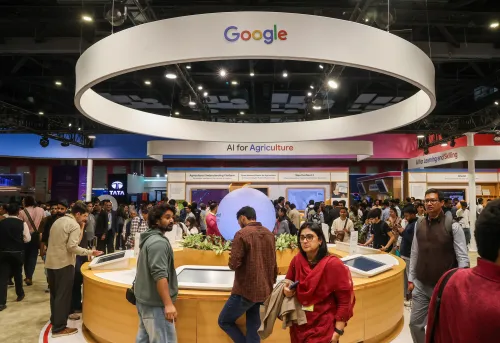
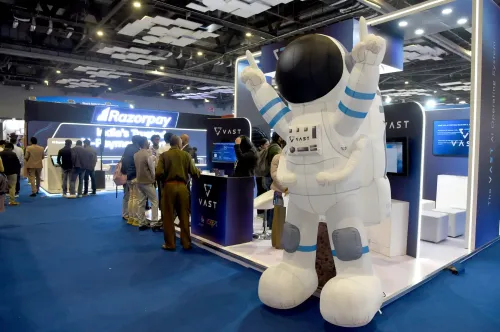
Indian start-ups showcased forensic tools and technologies at an accompanying exhibition.
NFSU Vice Chancellor Dr J.
Vyas called for sustained collaboration among academia, law enforcement, industry, and policymakers.
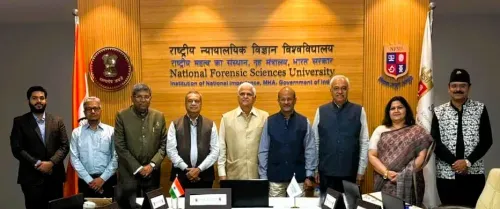
More than 500 experts from over 50 countries convened at the National Forensic Sciences University (NFSU) in Gandhinagar for the 1st International Investigators' Summit and Competition on AI-Enabled Digital Forensic Investigations, a three-day event that concluded on Wednesday, 15 July. Organised jointly by NFSU and INTERPOL, the summit brought together law enforcement officers, digital forensic specialists, cybersecurity experts, academicians, and industry representatives to confront the rising tide of transnational digital crime.
Key Developments
The summit ran alongside the 11th INTERPOL Digital Forensic Expert Group (DFEG) Meeting, held on 13 and 14 July, which convened digital forensic practitioners, government agencies, and law enforcement leaders for closed-door strategic discussions. The back-to-back format was deliberate — allowing practitioner-level expertise from the DFEG meeting to feed directly into the broader summit's agenda on AI-enabled investigations.
A standout feature was the inaugural International Investigators Competition, a scenario-based practical contest that challenged participants with realistic digital investigation cases. The competition drew 122 participants from India and abroad, testing skills in areas directly relevant to modern cybercrime casework.
What the Organisers Said
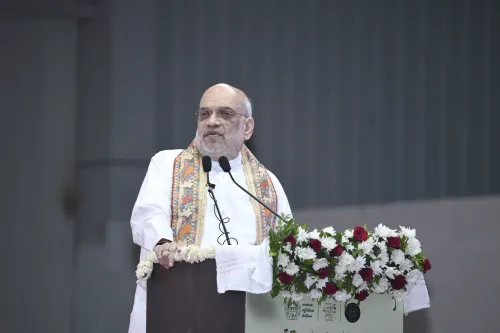
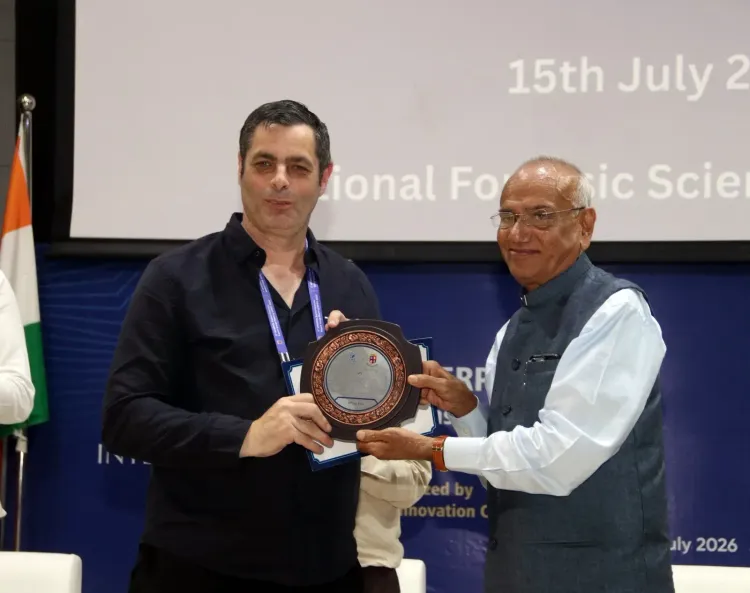
NFSU Vice Chancellor Dr J. M. Vyas, speaking at the valedictory ceremony, underscored the urgency of cross-sector collaboration. 'The future of justice in the digital age demands sustained collaboration among academia, law enforcement, industry and policymakers. This summit has provided a vital platform for such engagement. NFSU is proud to have initiated this effort to bridge the gaps among these stakeholders and looks forward to fostering a strong and reliable global network capable of addressing complex transnational crimes and setting new benchmarks in digital forensic investigations,' he said.
Industry and Innovation on Display
An exhibition held alongside the summit featured digital forensic tools, technologies, and innovations from industry participants — including Indian start-ups — signalling growing domestic capability in the forensic technology space. The participation of homegrown firms reflects India's expanding role not just as a consumer of global forensic standards but as a potential contributor to them.
Why This Summit Matters
Transnational cybercrime has grown sharply in scale and complexity, with digital evidence now central to prosecutions ranging from financial fraud to terrorism. Yet forensic standards, data-sharing protocols, and investigator capacity remain uneven across jurisdictions. According to NFSU, the summit concluded with a renewed emphasis on international collaboration and AI-enabled investigation frameworks — a direct response to those gaps.
Notably, hosting the INTERPOL DFEG meeting in India for the first time positions Gandhinagar — already home to India's premier forensic university — as an emerging global hub for forensic science diplomacy. The next phase will test whether the networks formed here translate into operational cooperation on active cases.
Point of View
Not merely a domestic institution. The inclusion of Indian start-ups in the exhibition is the more consequential detail mainstream coverage will overlook: it suggests an attempt to build an indigenous forensic-tech export pipeline at the same moment global standards are being written. The real measure of this summit's success, however, will be whether the 50-nation network it claims to have built produces actual data-sharing agreements and joint investigation protocols — or remains a well-photographed diplomatic moment. Transnational cybercrime does not wait for the next summit.
NationPress
14 Oct 2026
Frequently Asked Questions
What was the NFSU-INTERPOL summit held in Gandhinagar?
It was the 1st International Investigators' Summit and Competition on AI-Enabled Digital Forensic Investigations, organised by the National Forensic Sciences University (NFSU) in association with INTERPOL. The three-day event concluded on 15 July in Gandhinagar and brought together over 500 experts from more than 50 countries to strengthen global cooperation in digital forensics.
What was the International Investigators Competition?
It was an inaugural practical contest held during the summit that challenged law enforcement officers and forensic practitioners with realistic, scenario-based digital investigation cases. A total of 122 participants from India and abroad took part in the competition.
What was the INTERPOL Digital Forensic Expert Group meeting?
The 11th INTERPOL Digital Forensic Expert Group (DFEG) Meeting was a closed-door gathering of digital forensic practitioners, government agencies, and law enforcement leaders, held on 13 and 14 July alongside the main summit. It focused on strategic issues in the digital forensics field.
Why is the Gandhinagar summit significant for India?
The event marks one of the first times the INTERPOL DFEG has convened in India, reinforcing Gandhinagar's NFSU as a potential global centre for forensic science. The participation of Indian start-ups in the exhibition also highlights India's growing role in developing forensic technologies.
What were the key outcomes of the summit?
According to NFSU, the summit concluded with a renewed emphasis on international collaboration in digital forensics and AI-enabled investigations. Participants agreed on the need for stronger cross-sector cooperation among academia, law enforcement, industry, and policymakers to address transnational cybercrime.