India AI Impact Summit 2026: A Transformative Milestone for the Global South
Synopsis
The India AI Impact Summit 2026 has been hailed as a transformative event for the Global South, marking a significant shift in AI discussions. With a focus on inclusivity and local context, this summit aims to bridge the AI divide and empower emerging nations.
Key Takeaways
Historic Summit: The first global AI summit held outside traditional power centers.
Inclusivity Focus: Emphasizes democratizing AI for the Global South.
Challenges Acknowledged: Highlights issues like infrastructure and skill gaps.
India's Vision: Aims to leverage local contexts in AI development.
Global Participation: Over 100 countries joined to engage in impactful discussions.
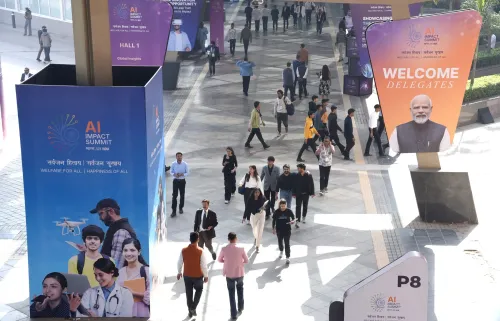
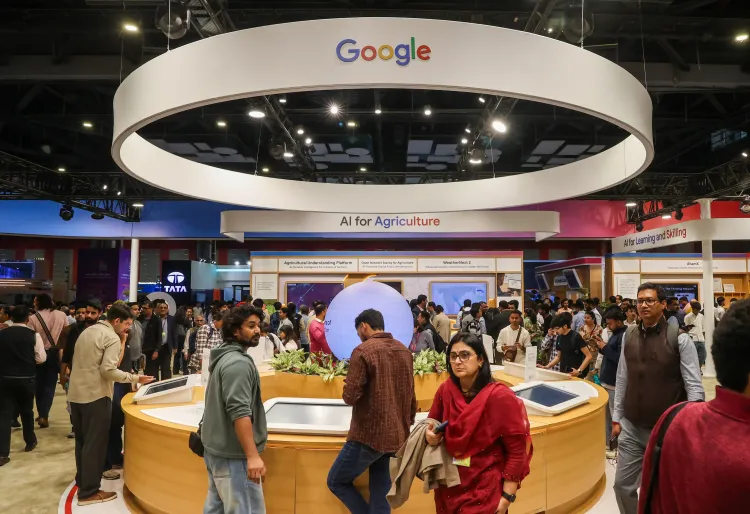
New Delhi, Feb 23 (NationPress) The 'India AI Impact Summit 2026', which took place in the capital city last week, is being recognized globally as one of the most pivotal gatherings focused on artificial intelligence (AI) in the Global South, and is touted as the largest AI summit to date.
“This historic event signified a crucial transformation: it was the inaugural global AI summit held beyond the conventional hubs of the Global North, following notable events like the UK AI Safety Summit, AI Seoul Summit, and France AI Action Summit,” an article from South Africa’s Independent Online (IOL) notes.
“The summit's primary focus was on democratizing AI and addressing the widening gap in AI capabilities between the Global North and South. Presently, AI resources, expertise, infrastructure, and innovation are predominantly concentrated in affluent nations and corporations, which restricts the creation of culturally relevant, linguistically diverse, and socially impactful AI solutions for a large portion of the world’s populace,” writes Phapano Phasha.
As the Global North rapidly advances in AI utilization—reportedly at a rate nearly double that of the Global South—many developing areas struggle with inadequate infrastructure, skill deficiencies, limited data access, and insufficient computational resources.
The summit framed AI as not merely a privilege for the affluent but as a catalyst for inclusive growth, sustainable development, and “AI for Humanity.” India’s vision, articulated through themes such as “People, Planet, and Progress,” sought to elevate voices from the Global South, emphasize local contexts over Western technological supremacy, and ensure that AI fosters advancements in shared objectives like poverty alleviation, healthcare enhancement, and climate resilience, the article further elaborates.
It also emphasizes that Africa, home to the largest and youngest populations globally, grapples with severe challenges in catching up.Limited digital infrastructure, low internet access in rural regions, skill deficits, and dependence on foreign technologies impede AI adoption. This demographic dividend of youth represents significant potential if harnessed through education, local innovation, and inclusive AI; without targeted investment, it risks becoming a demographic burden instead.
The article highlights that in contrast, India has capitalized on its extensive tech talent pool to establish itself as an emerging AI leader. With robust digital public infrastructure (like Aadhaar and UPI), government initiatives such as the IndiaAI Mission, and substantial private sector investments, India is progressively narrowing the gap.
The summit illustrated this progression: India is “designing and developing at home” while striving to “deliver to the world,” leveraging its demographic strengths, cost-effective innovations, and expanding computational ecosystem to leap ahead in AI.
The article notes that Prime Minister Narendra Modi inaugurated the summit, reinforcing India’s role as a conduit between advanced economies and developing nations. With participation from over 100 countries, particularly strong representation from the Global South, attendance figures soared into the hundreds of thousands.
The event convened global leaders (including France’s Emmanuel Macron and Brazil’s Luiz Inacio Lula da Silva), tech executives (such as OpenAI’s Sam Altman and Google’s Sundar Pichai, along with representatives from Anthropic and DeepMind), and policymakers to concentrate on actionable AI impacts rather than mere discussions, the article concludes.
Point of View
The India AI Impact Summit 2026 signifies a crucial moment in the discourse on artificial intelligence. It emphasizes the importance of inclusivity and local innovation, while positioning India as a leader in the global AI landscape. This summit not only highlights the challenges faced by the Global South but also presents a unique opportunity for collaboration and growth.
NationPress
30 Sept 2026
Frequently Asked Questions
What was the main focus of the India AI Impact Summit?
The summit primarily focused on democratizing AI and addressing the increasing divide in AI capabilities between the Global North and South.
Who were some notable attendees at the summit?
Key figures included Prime Minister Narendra Modi, France’s Emmanuel Macron, Brazil’s Luiz Inacio Lula da Silva, and tech executives like OpenAI’s Sam Altman and Google’s Sundar Pichai.
What challenges does the Global South face in AI adoption?
Challenges include inadequate digital infrastructure, limited internet access in rural areas, skill gaps, and reliance on imported technologies.
How does India aim to position itself in the AI landscape?
India is leveraging its tech talent, robust digital infrastructure, and government initiatives to establish itself as a rising AI powerhouse.
What are the anticipated outcomes of the summit?
The summit aims to foster actionable AI impacts that prioritize inclusive growth and address shared global challenges.