Impact of LPG Crisis: Rising Roti Prices Reveal Pakistan's Economic Turmoil
Synopsis
As Pakistan faces a dire LPG crisis, the surge in roti prices exposes the deepening economic challenges for citizens. Protests erupt across the nation as locals demand relief amid soaring costs of essential goods.
Key Takeaways
Rising Prices: The cost of roti and chapati has increased due to the LPG crisis.
Market Manipulation: Accusations against importers for creating an artificial crisis.
Public Outcry: Protests have erupted in response to inflation and rising costs.
Government Inaction: Criticism of the government's failure to manage the crisis.
Urgent Need for Relief: Citizens are calling for immediate action to stabilize prices.
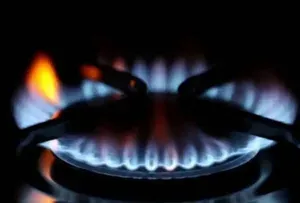
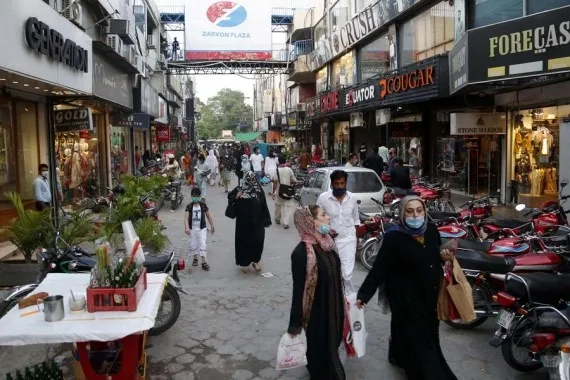
Islamabad, April 9 (NationPress) The cost of roti and chapati has surged in Karachi, Pakistan, as the nation grapples with a significant Liquified Petroleum Gas (LPG) crisis, adding to the financial strain on citizens already burdened by inflation, local media reported on Thursday.
Tandoor operators have raised their prices by PKR 5, attributing this increase to higher production costs stemming from the elevated LPG prices. LPG is predominantly utilized due to the scarcity of natural gas, according to The Express Tribune.
Sajid Khan, General Secretary of the LPG Association and owner of Karachi Gas, stated that there is no genuine shortage of LPG in Pakistan. He accused certain importers and market players of fabricating an artificial crisis to inflate prices and profit through black marketing, contrary to the accounts of local residents.
Khan cautioned that the contrived shortage could lead to further price hikes and criticized the government for its inaction in addressing the situation. He noted that the demand for LPG has surged due to the persistent lack of natural gas and called on the government to take action against those manipulating LPG prices.
In related developments, tandoor owner Manzoor Hussain mentioned that most tandoor operators in Karachi have switched to LPG, resulting in increased operational expenses. "The rise in LPG prices leaves us no option but to raise the costs of roti and chapati," he was quoted as saying by The Express Tribune.
With the recent hike, low-weight roti is now priced at PKR 25, while heavier roti costs PKR 30, and chapati is available for PKR 20 across various regions of Karachi. Residents have expressed their dismay at the ongoing price increases for essential goods and are urging the government to take swift action to stabilize prices and alleviate the financial burden on citizens.
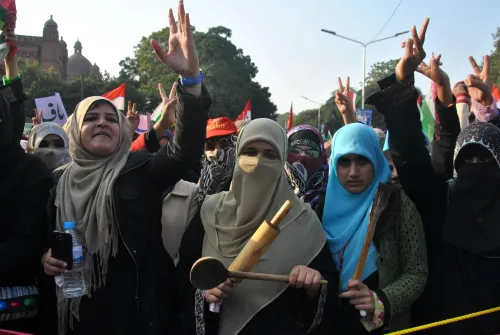
On April 5, protests and rallies erupted in Karachi, Jacobabad, Hyderabad, Sukkur, and several other areas of Sindh province in response to the latest increase in petroleum prices and the escalating inflation.
The Sindh United Party (SUP) organized a demonstration outside the local press club in Sukkur on April 5, where numerous party supporters participated while donning shrouds (kafans) and observing a hunger strike. SUP leader Eidan Jagirani criticized the government's recent petrol price hike and asserted that the “genie of inflation” has been unleashed, rendering essential food items unaffordable for the working class.
Concurrently, members of Pakistan Tehreek-e-Insaf (PTI) held a protest at the same location, where senior leader Gohar Khan Khoso remarked that the petrol price has soared to PKR 378 per litre and warned of escalating protests if the government fails to provide immediate relief and eliminate excessive taxation.
The Awami Tehreek conducted a rally from Teer Chowk to Ghanta Ghar in Sukkur, culminating in a sit-in. Leaders Ahmed Katiar and advocate Sarwan Jatoi accused the government of exploiting the West Asia conflict as a justification to raise petrol prices to PKR 378 and diesel to PKR 520 per litre.
Similarly, the National Trade Union Federation Pakistan (NTUF) and the Home-Based Women Workers Federation (HBWWF) jointly organized a demonstration in Karachi that saw participation from workers and representatives of various political and human rights organizations. Demonstrators carried placards demanding the repeal of the petroleum levy and a revision of wages in line with the surging cost of living.
Point of View
It is evident that Pakistan's economic challenges are mounting. While some market players may be exacerbating the situation for profit, the impact on ordinary citizens is undeniable. A balanced approach is essential to restore stability and ensure affordable access to basic necessities.
NationPress
19 Sept 2026
Frequently Asked Questions
What is causing the rise in roti prices in Karachi?
The rise in roti prices is primarily due to an ongoing Liquified Petroleum Gas (LPG) crisis, which has led to increased production costs for tandoor owners.
Who is responsible for the LPG crisis in Pakistan?
Sajid Khan, General Secretary of the LPG Association, accuses certain importers and market players of creating an artificial crisis to inflate prices and profit from black marketing.
What actions are being taken by the government regarding the price hikes?
Critics are urging the government to take immediate action against those manipulating LPG prices and to control the rising prices of essential goods.
What have citizens done in response to rising prices?
Citizens have organized protests and rallies across various cities in Sindh, demanding government intervention to stabilize prices and alleviate the burden of inflation.
What is the current price of roti in Karachi?
Currently, low-weight roti is priced at PKR 25, heavier roti at PKR 30, and chapati at PKR 20 in various areas of Karachi.