Surging LPG Prices in Pakistan: A Growing Burden for Citizens
Synopsis
The price of liquefied petroleum gas (LPG) in Pakistan has spiked significantly, impacting low- and middle-income families who rely on LPG for transportation. As global prices soar, the nation grapples with energy security concerns amidst a regional conflict.
Key Takeaways
LPG prices in Pakistan have surged significantly.
Impact on low- and middle-income families is evident.
Energy security is a growing concern due to limited reserves.
Negotiations with Iran may provide solutions for supply issues.
Public transport fares are rising alongside LPG prices.
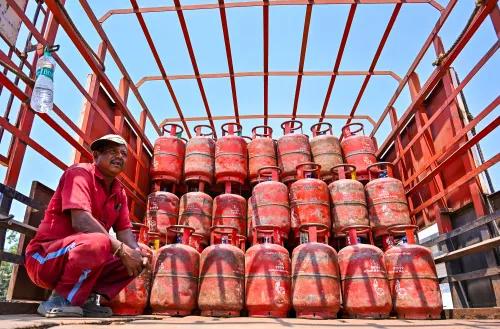
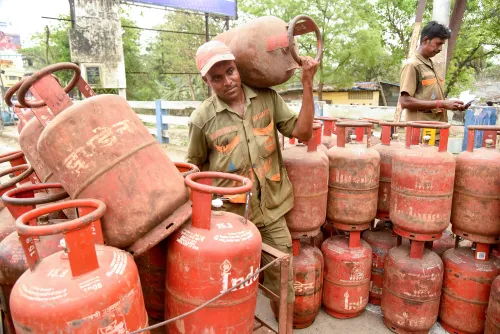
Islamabad, March 28 (NationPress) The average cost of liquefied petroleum gas (LPG) in Pakistan has dramatically increased to Rs 3,900-5,135 per 11.67 kg cylinder, rising from Rs 3,150-3,968 due to the ongoing conflict in West Asia, as reported by local media.
According to recent information from the Sensitive Price Index (SPI) released by the Pakistan Bureau of Statistics (PBS) for the week ending March 26, the most significant price increases have been observed in several cities across Punjab province, as highlighted by the Pakistani daily Dawn.
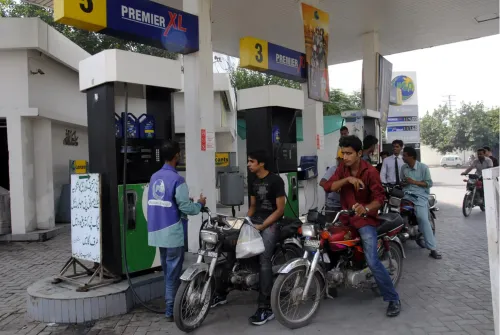
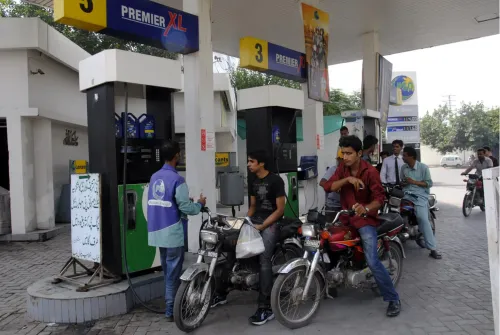
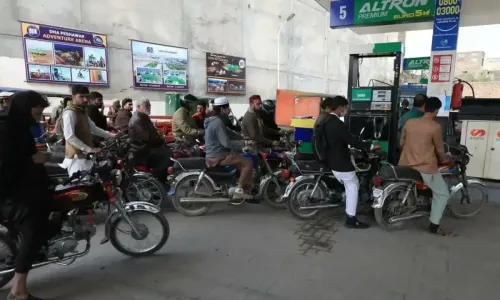
As LPG prices escalate, fares for LPG-operated private transport have also risen, adding financial strain on low- and middle-income commuters who rely on LPG-fueled rickshaws, buses, and minibuses.
The global surge in LPG prices, driven by the conflict, has also resulted in a decrease in gas supplies from Iran, which previously ranged between 10,000 and 12,000 tonnes daily, now hampered by the Eid and Nawroz holidays.
M. Ali Haider, the Convenor of the Standing Committee on LPG of the Federation of Pakistan Chambers of Commerce and Industry, stated that three vessels carrying approximately 20,000 tonnes of imported LPG arrived in Pakistan during March.
The nation requires about 2 million tonnes of LPG annually, with 1.2 million tonnes sourced through imports and 800,000 tonnes produced by local refineries.
A recent report has indicated that Pakistan's petroleum reserves are limited, with crude oil stocks sufficient for only 11 days, raising alarm over energy security amidst the disruptions caused by the ongoing conflict in West Asia.
During a briefing to the Senate Standing Committee on Petroleum, the petroleum secretary mentioned that the country currently has diesel reserves for 21 days, petrol for 27 days, LPG for 9 days, and jet fuel for 14 days, according to a report in The Express Tribune.
Approximately 70% of Pakistan's petroleum imports come from the Middle East, and the ongoing conflict has disrupted essential shipping routes and supply chains, the official noted.
Pakistan is negotiating with Iran to obtain authorization for oil shipments through the Strait of Hormuz, which could potentially allow four vessels to transport crude cargoes if approved.
Officials have also cautioned about a looming gas crisis, predicting a significant shortage after April 14 due to disruptions in liquefied natural gas (LNG) supplies.
Of the eight LNG cargoes anticipated in March, only two have reached Pakistan, and several shipments scheduled for April may also face challenges.
Point of View
Particularly those from low- and middle-income backgrounds. As the country navigates through increasing global energy costs and regional conflicts, the implications on public transport and overall economic stability are noteworthy. A strategic response is essential to safeguard the interests of the populace.
NationPress
28 Sept 2026
Frequently Asked Questions
What is the current LPG price in Pakistan?
As of March 28, the average price of LPG in Pakistan has risen to Rs 3,900-5,135 per 11.67 kg cylinder.
How have rising LPG prices affected transportation?
The increase in LPG prices has led to higher fares for LPG-operated private transport, impacting low- and middle-income commuters.
What are Pakistan's LPG supply needs?
Pakistan requires approximately 2 million tonnes of LPG annually, with 1.2 million tonnes imported and 800,000 tonnes produced locally.
How long are Pakistan's current petroleum reserves expected to last?
Crude oil stocks in Pakistan are sufficient for only 11 days, raising concerns over energy security.
Are there any negotiations for oil shipments with Iran?
Yes, Pakistan is in talks with Iran to secure permission for oil shipments through the Strait of Hormuz.