NZ hung parliament: Luxon opens talks with Opportunity Party
Synopsis
Christopher Luxon ruled out the Opportunity Party throughout the campaign. Now his coalition cannot reach a majority without it. With National down two seats and parliament hung, New Zealand's caretaker PM says talks will take ‘as long as it takes’, and a fresh election is not off the table.
Key Takeaways
Caretaker PM Christopher Luxon said on 27 November 2026 that formal coalition talks with the Opportunity Party will begin.
The National-led coalition of National , ACT and NZ First needs Opportunity Party support after National lost two seats in the final count.
The final results produced a hung parliament , with neither bloc holding a majority.
Luxon wants a government that can last the full three-year term and said talks will take ‘as long as it takes’.
Opportunity Party leader Qiulae Wong did not rule out another election.
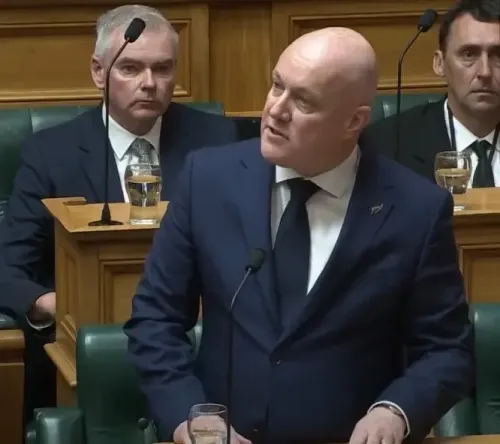
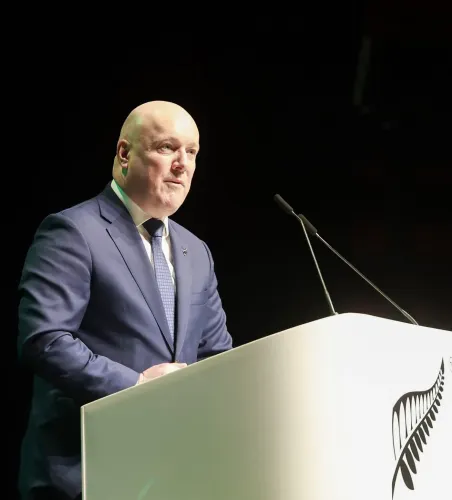
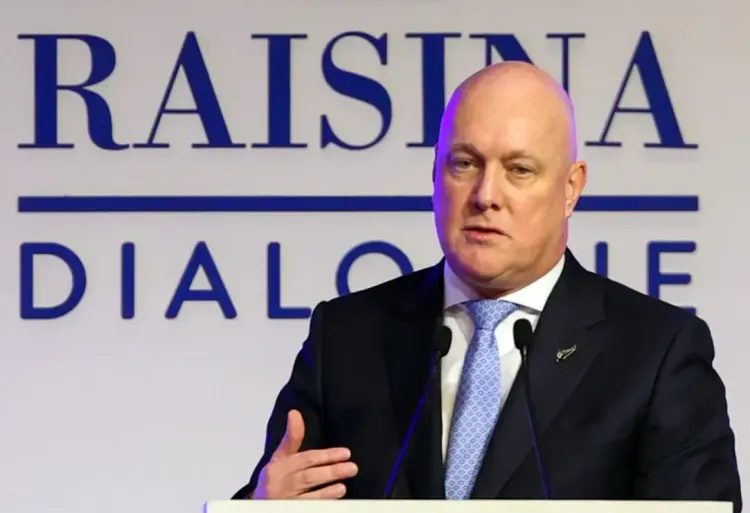
New Zealand caretaker Prime Minister Christopher Luxon on Friday, 27 November 2026, said formal coalition negotiations with the Opportunity Party would begin now that final election results are confirmed. Speaking in Wellington, he warned the talks could take time because he wants a stable government, not a quick deal.
The final count produced a hung parliament. Neither the governing coalition nor the opposition bloc won a majority, so the shape of the next government is uncertain and a fresh election remains possible.
Key Developments
The ruling National-led coalition is made up of the National Party, ACT New Zealand and New Zealand First. It now needs the Opportunity Party to reach a parliamentary majority, after National lost two seats in the final count.
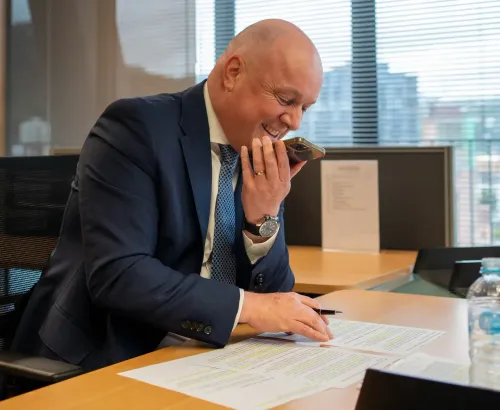
Luxon said he had spoken with the leaders of New Zealand First, ACT New Zealand and the Opportunity Party. According to reports, he said formal negotiations would begin now that the final results are confirmed.
The shift is notable. Luxon repeatedly ruled out working with the Opportunity Party during the campaign, but softened his position after the preliminary results came in.
What Luxon Said
At a press conference, Luxon said voters wanted more cross-party cooperation and wanted leaders to find common ground. He cautioned that negotiations would be challenging.
He said he did not want to rush into an agreement that could collapse or lead to another election. He noted that various arrangements are possible under the country's mixed-member proportional (MMP) electoral system.
Luxon said he would seek a strong and stable government able to last the full three-year parliamentary term. He added that talks would take “as long as it takes.”
Opportunity Party's Position
Opportunity Party leader Qiulae Wong responded after the final results were released. She said her party would seek to form a stable government but did not rule out another election, adding that negotiations with other parties were still needed.
Wong's party is now central to the outcome. Its position will largely decide whether Luxon's coalition returns to power or the country heads back to the polls.
How New Zealand's MMP System Works
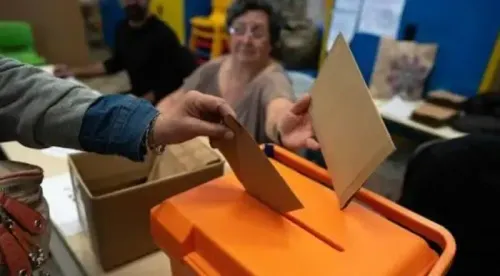
New Zealand elects its parliament under the MMP system. Voters cast two ballots: one for a political party and one for a candidate in their local electorate.
Under MMP, governments are usually formed by two or more parties that together hold a majority in parliament. Coalition-building is therefore a normal part of forming a government. The current deadlock, however, has left an unusually narrow path to a majority.
What Happens Next
Formal talks between National, its existing partners and the Opportunity Party are expected to start now. Luxon has made clear he will not agree to a deal he sees as fragile.
The coming weeks will show whether the parties can reach a workable agreement for a full three-year term, or whether New Zealand faces another election.
Point of View
And that party says openly that it can live with another election. Wong's party now holds the leverage. Any agreement will be judged on whether it survives three years, not on whether it gets signed. For democracies that rely on coalitions, including India's own experience with alliance governments, the lesson is the same: stability rests on a coalition's design, not just its arithmetic.
NationPress
27 Nov 2026
Frequently Asked Questions
Why does Christopher Luxon need the Opportunity Party?
Luxon's National-led coalition no longer has a majority after National lost two seats in the final count. It needs the Opportunity Party's support to form a government.
What is a hung parliament in New Zealand?
A hung parliament means no party or bloc holds a majority of seats. In the current result, neither the governing coalition nor the opposition bloc has a majority, so the next government is uncertain.
Could New Zealand hold another election?
Yes, another election remains possible if coalition talks fail. Luxon said he wants to avoid a deal that could collapse or trigger a fresh poll, and Opportunity Party leader Qiulae Wong did not rule one out.
Which parties are in New Zealand's ruling coalition?
The National-led coalition is made up of the National Party, ACT New Zealand and New Zealand First. Luxon has spoken with the leaders of NZ First, ACT and the Opportunity Party.
How does New Zealand's MMP system work?
Under MMP, each voter casts two ballots: one for a political party and one for a local electorate candidate. Governments are usually formed by two or more parties that together hold a majority in parliament.