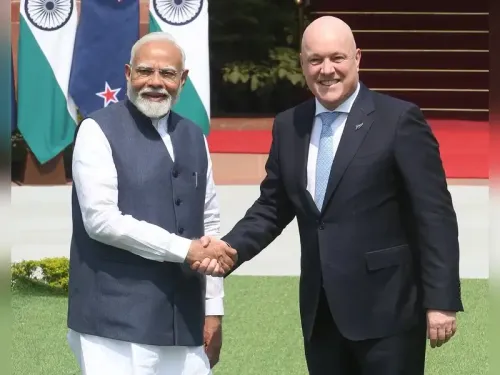
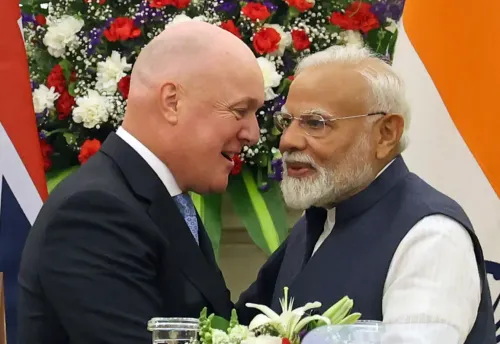
India-New Zealand FTA clears NZ Parliament 93-29, opens 1.4 bn consumers

Synopsis
The India-New Zealand FTA just crossed a critical threshold — New Zealand's Parliament ratified it 93-29, with PM Christopher Luxon calling it a promise delivered. With 95% of NZ exports eventually going duty-free and the kiwifruit sector alone saving NZ$125 million over five years, this is more than a trade deal: it is the centrepiece of a Modi-Luxon pledge to double bilateral trade by 2030.
Key Takeaways
New Zealand's Parliament passed the India-New Zealand FTA legislation by 93 votes to 29 on 16 September 2026 .
PM Christopher Luxon called it a landmark deal that opens access to 1.4 billion Indian consumers .
57 per cent of New Zealand exports to India will become duty-free immediately upon the agreement entering into force; 95 per cent once fully implemented.
The kiwifruit industry is projected to save approximately NZ$125 million in tariffs over five years .
The FTA supports a joint target set by PM Luxon and PM Narendra Modi to double two-way trade by 2030 .
The agreement is expected to enter into force later in 2026 after both countries complete ratification.
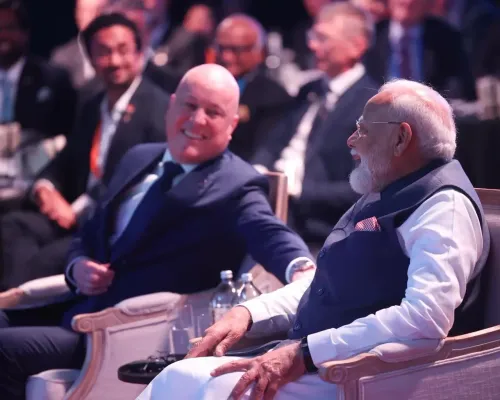
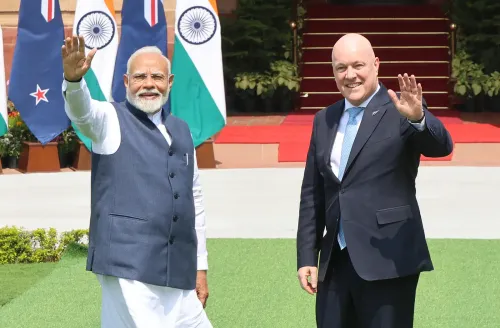
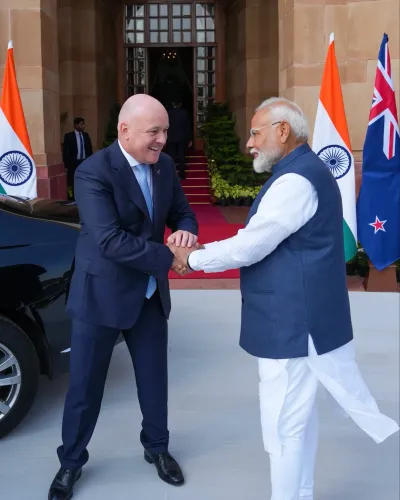
New Zealand Prime Minister Christopher Luxon on Wednesday, 16 September 2026, declared the India-New Zealand Free Trade Agreement a landmark milestone after the legislation required to implement the pact cleared New Zealand's Parliament by a vote of 93 to 29. The deal, which Luxon said many had dismissed as impossible, will open the door to 1.4 billion Indian consumers for New Zealand exporters and is expected to boost jobs and incomes across the country.
What Luxon Said
'People told me a Free Trade Agreement with India wasn't possible. Well, today that deal passed its final vote in Parliament. It's happening,' Luxon wrote in a post on X. He framed the ratification as the fulfilment of a core campaign promise made by his National Party. 'National said we'd secure a Free Trade Agreement with India in our first term, and we've delivered,' he added.
Luxon described the agreement as a direct economic uplift: 'This landmark deal means more jobs, higher incomes for Kiwis. It means more New Zealand products being sold in India by opening the door to 1.4 billion Indian consumers.'
Key Terms of the Agreement
Trade and Investment Minister Todd McClay said the pact would give New Zealand exporters significantly greater access to one of the world's largest and fastest-growing economies. Under the agreement's immediate provisions, 57 per cent of New Zealand exports to India will become duty-free when it enters into force. Once fully implemented, tariffs will be eliminated or substantially reduced on 95 per cent of exports.
The kiwifruit industry alone stands to save approximately NZ$125 million in tariffs over five years, according to McClay — a concrete indicator of the sectoral gains New Zealand's agricultural exporters anticipate.
Trade Doubling Target by 2030
The FTA also anchors a broader bilateral ambition set by Prime Minister Luxon and Indian Prime Minister Narendra Modi to double two-way trade between India and New Zealand by 2030. The agreement is now expected to enter into force later in 2026, pending the completion of ratification procedures in both countries. India's own legislative process will be a key variable determining the effective date.
Context and Significance
This comes amid a broader wave of India's trade diplomacy — New Delhi has been actively concluding and renegotiating FTAs with key partners, including the United Arab Emirates, Australia, and the European Union. Notably, the India-New Zealand deal had been in negotiation for years before gaining momentum under the Luxon government. The lopsided parliamentary vote — 93 in favour, 29 against — signals strong cross-party support within New Zealand, reducing the risk of political reversal. For Indian exporters, the agreement equally creates pathways into a high-income, tariff-sensitive market of approximately 5 million consumers.
What Happens Next
Both governments must now complete their respective domestic ratification steps before the agreement can formally take effect. Industry bodies on both sides are expected to begin preparation for the duty restructuring, particularly in agriculture, dairy, and manufactured goods. The trade doubling goal by 2030 will serve as the principal benchmark against which the FTA's success is likely to be measured.
Point of View
Particularly in dairy and kiwifruit, will be watching India's non-tariff barriers as closely as the tariff schedule — historically, those have proven as consequential as headline duty rates. For India, the deal is another data point in a deliberate FTA push, but its domestic political salience will depend on which Indian sectors benefit visibly and how quickly.
NationPress
16 Sept 2026
Frequently Asked Questions
What is the India-New Zealand Free Trade Agreement?
The India-New Zealand Free Trade Agreement is a bilateral trade pact that eliminates or significantly reduces tariffs on goods traded between the two countries. New Zealand's Parliament passed the implementing legislation on 16 September 2026 by 93 votes to 29, with the deal expected to enter into force later in 2026 after both sides complete ratification.
What tariff benefits will New Zealand exporters get under the FTA?
When the agreement enters into force, 57 per cent of New Zealand exports to India will immediately become duty-free. Once fully implemented, tariffs will be removed or substantially reduced on 95 per cent of New Zealand exports to India.
How much will the kiwifruit industry save under the deal?
New Zealand's kiwifruit industry is expected to save approximately NZ$125 million in tariffs over five years under the FTA, according to Trade and Investment Minister Todd McClay. This makes agriculture one of the clearest near-term beneficiaries of the agreement.
What is the India-New Zealand trade doubling goal?
Prime Ministers Christopher Luxon and Narendra Modi have set a joint target to double two-way trade between India and New Zealand by 2030. The FTA is designed as the primary mechanism to achieve that goal by lowering trade barriers and expanding market access on both sides.
When will the India-New Zealand FTA come into effect?
The agreement is expected to enter into force later in 2026, once both India and New Zealand complete their respective domestic ratification procedures. New Zealand's parliamentary vote on 16 September 2026 was the final legislative step required on the New Zealand side.