Macau jails pro-democracy lawmaker Au Kam San for 12.5 years in first national security case
Synopsis
Macau has handed its first-ever national security conviction to former pro-democracy lawmaker Au Kam San — 12.5 years, closed-door trial, no private lawyer. Critics say it confirms Xi Jinping's crackdown on dissent has fully arrived in the casino hub, mirroring Hong Kong's post-2020 trajectory and raising urgent questions for the EU given Au's Portuguese citizenship.
Key Takeaways
Au Kam San , 69 , sentenced to 12.5 years in prison by a Macau court — the territory's first national security conviction since the law was enacted in 2009 .
Found guilty of subversion and of collaborating with external organisations to endanger national security.
Trial was held behind closed doors in September and concluded within three days ; Au was allegedly denied access to a private lawyer.
Michael Polak of Justice Abroad called the proceedings a 'sham'; Human Rights Watch warned of a chilling effect on peaceful critics.
Au holds joint Portuguese citizenship and served as a lawmaker for two decades , stepping down in 2021 .
Critics say the case signals President Xi Jinping 's crackdown on dissent has extended to Macau , echoing patterns seen in Hong Kong .
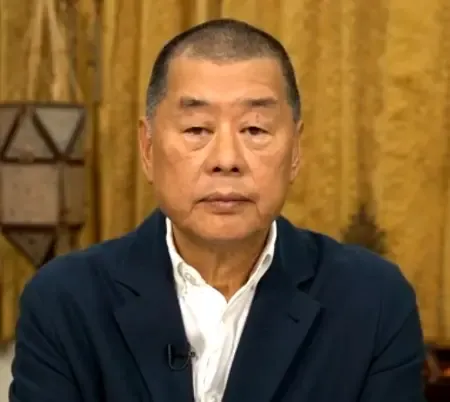
A Macau court has sentenced former pro-democracy lawmaker Au Kam San, 69, to 12.5 years in prison following a closed-door trial — marking the territory's first prosecution under its national security law since the legislation was enacted in 2009. The verdict, reported on 7 November, is being widely cited as evidence that President Xi Jinping's sweeping crackdown on dissent has extended to the former Portuguese colony.
What the Court Found
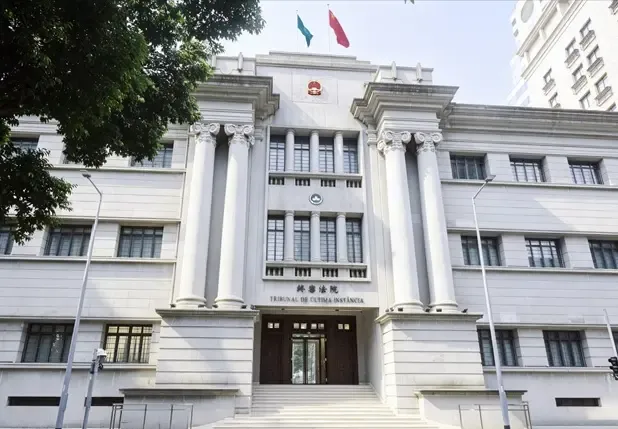
The court found Au Kam San guilty on two counts: subversion against the political power of the state, and establishing contact with organisations and individuals outside Macau to commit acts endangering national security. According to the court's findings, Au had 'personally provided, over a long period of time, assistance and collaboration to external hostile organisations in the collection, preparation, and public dissemination of various images and information that were manifestly filled with political claims of a subversive nature against the political authority of the state.' The judge opted for a closed hearing, citing the need to protect national security interests from being undermined.
Who Is Au Kam San
A teacher-turned-lawmaker, Au Kam San served as a legislator for two decades in a legislature dominated by Beijing loyalists before stepping down in 2021. He holds joint Portuguese citizenship and is considered one of the most prominent opposition figures in Macau. He was also a key organiser of Macau's annual commemoration of the 1989 Tiananmen Square crackdown in Beijing. His arrest in 2025 was the first publicly known prosecution under Macau's national security law in the law's history.
Family Allegations and Legal Concerns
Since his arrest, Au's family has alleged that he has been barred from contacting them and from accessing a private lawyer of his choosing. His trial was conducted behind closed doors in September and concluded within three days. Michael Polak, director of Justice Abroad, who has been assisting the family, described the proceedings as a 'sham' that has brought shame upon Macau. Polak further said the 'manufactured allegations' against Au had brought the territory 'in line with the most repressive states around the world, where the executive has the power to imprison those with whom it disagrees, with no semblance of a proper, fair legal process.'
International Rights Groups Respond
Human Rights Watch condemned the prosecution, stating that it sends 'a chilling message to all peaceful critics in the territory.' Maya Wang, the group's Deputy Asia Director, said: 'The authorities' silencing of pro-democracy voices in Macao reflects the Chinese government's broader assault on dissent and fundamental freedoms.' Critics argue that the case mirrors the pattern seen in Hong Kong, where national security legislation has been used to prosecute opposition figures since 2020.
Broader Context: Xi's Crackdown Reaches Macau
Macau, like Hong Kong, has operated as a special administrative region under the 'one country, two systems' framework since its handover from Portugal to China in 1999. Critics argue that Xi Jinping's administration has systematically eroded civil liberties across both territories. Notably, Macau's national security law predates Hong Kong's by over a decade, but this is its first known enforcement against a prominent political figure — a development that signals a significant shift in how authorities are willing to deploy it. The verdict is likely to draw fresh scrutiny from the European Union and Portugal, given Au's dual citizenship.
Point of View
As it has done with Hong Kong. The closed-door trial and alleged denial of private legal counsel suggest Macau's judicial independence is following Hong Kong's trajectory faster than most observers anticipated.
NationPress
8 Nov 2026
Frequently Asked Questions
Who is Au Kam San and why was he sentenced?
Au Kam San is a former Macau pro-democracy lawmaker who served in the legislature for two decades before stepping down in 2021. A court sentenced him to 12.5 years in prison after finding him guilty of subversion and of collaborating with external organisations to endanger national security, in what is Macau's first prosecution under its 2009 national security law.
What is Macau's national security law?
Macau's national security law was enacted in 2009, over a decade before Hong Kong's equivalent legislation. It criminalises acts such as subversion, sedition, and collaboration with external forces deemed to threaten state security. The prosecution of Au Kam San is the first publicly known enforcement of the law against a prominent political figure.
Why was Au Kam San's trial held behind closed doors?
The presiding judge decided against an open trial on the grounds that a public hearing could undermine national security interests, according to reports. Human rights groups and Au's legal supporters have condemned this decision, calling the process fundamentally unfair.
What have human rights organisations said about the verdict?
Human Rights Watch described the prosecution as unjust, warning it sends a chilling message to peaceful critics across Macau. Maya Wang, the group's Deputy Asia Director, said the case reflects the Chinese government's broader assault on dissent and fundamental freedoms. Justice Abroad director Michael Polak called the trial a 'sham.'
How does this case connect to Xi Jinping's broader crackdown?
Critics argue the conviction is part of President Xi Jinping's wider suppression of dissent across Chinese-administered territories, mirroring the use of national security legislation against opposition figures in Hong Kong since 2020. Macau, like Hong Kong, operates under the 'one country, two systems' framework since its 1999 handover from Portugal to China.