Melania Trump champions foster care reforms 180 days after Trump's executive order
Synopsis
Melania Trump's foster care push is broader than a photo-op — it includes a $32 million fund redirect, a federally renamed housing programme, nine states reversing benefit diversion, and six bipartisan bills clearing committee. The 180-day milestone signals this is one of the Trump administration's most coordinated multi-agency domestic efforts.
Key Takeaways
Melania Trump marked 180 days since the "Fostering the Future" executive order was signed by President Donald Trump .
A new "Fostering the Future Fund" could redirect up to $32 million in unused federal foster care funds via the Chafee programme.
The Foster Youth to Independence programme, now renamed after Melania Trump, received $30 million and has supported over 1,400 housing vouchers since January 2025 .
The House Ways and Means Committee approved six bipartisan bills on foster care reform following a roundtable Melania Trump attended in April .
Nine additional states changed policies on Social Security survivor benefits for foster youth after administration letters.
New tools include the FosteringTheFuture.Gov platform, a public state-comparison dashboard, and an AI-focused technology incubator.
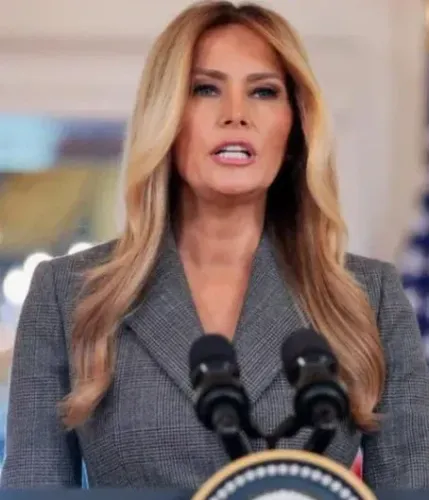
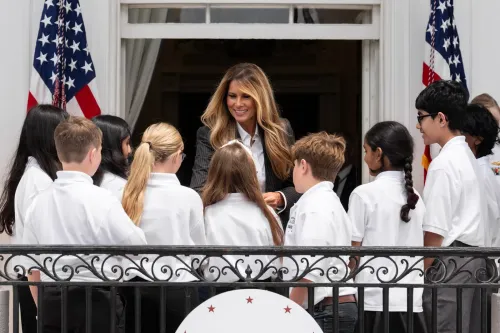
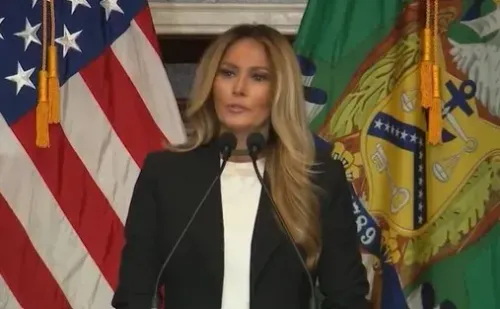
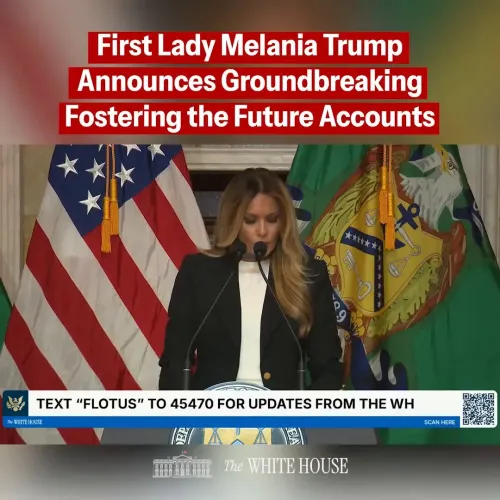
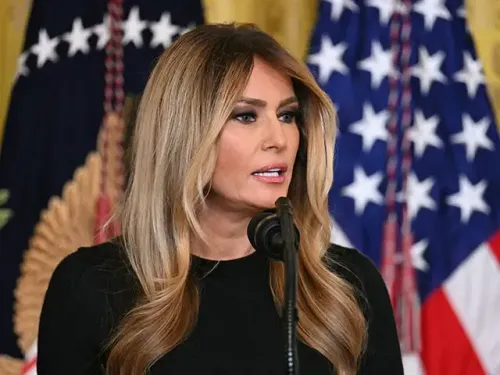
First Lady Melania Trump on 13 May spotlighted a sweeping set of foster care reforms rolled out by the Trump administration, marking 180 days since President Donald Trump signed the "Fostering the Future" executive order. The initiative spans housing, education, and career support for young people ageing out of the foster care system, with multiple federal agencies coordinating on implementation.
Key Developments in the Initiative
Among the most significant steps was the creation of the "Fostering the Future Fund", which the White House said could redirect up to $32 million in unused federal foster care and adoption funds to support youth transitioning out of care via the Chafee Foster Care Program. The proposal is included in President Trump's Fiscal Year 2027 budget.
The Department of Health and Human Services also launched a new online platform, FosteringTheFuture.Gov, developed with input from foster youth and state child welfare leaders. Officials said the website would help foster youth access housing, education, and career resources in one place.
Programme Renamed After the First Lady
The Foster Youth to Independence programme received $30 million under the Consolidated Appropriations Act of 2026 and has since been renamed in honour of Melania Trump. According to the White House, the programme has supported more than 1,400 housing vouchers nationwide since January 2025.
Bipartisan Legislative Push
Melania Trump joined a bipartisan roundtable organised by the House Ways and Means Committee in April, where lawmakers discussed reforms to the Chafee Foster Care Program. The White House said the committee subsequently approved six bills with bipartisan support — a notable show of cross-aisle cooperation on a politically sensitive issue.
The administration also pressed states to stop diverting Social Security survivor benefits meant for foster youth. The White House said nine additional states changed their policies after receiving letters from the administration, bringing the total number of compliant states higher.
Additional Measures and Transparency Tools
Other steps announced include expanded parental leave guidance for federal workers who foster or adopt children, new housing partnerships with faith-based groups, and a technology incubator aimed at modernising foster care systems using artificial intelligence and predictive analytics. Officials also unveiled a new public dashboard comparing foster care outcomes across states, which the White House said would improve transparency and accountability.
The Office of the First Lady confirmed that the Departments of Health and Human Services, Housing and Urban Development, Treasury, and Education worked in coordination on the overall initiative.
Context and What's Next
Foster care remains a persistent challenge in the United States, with many young adults leaving the system facing acute difficulties in securing housing, education, and employment. Advocacy groups have long called for stronger transitional support, and the administration's multi-agency approach represents one of the most comprehensive federal responses in recent years. Notably, this is not Melania Trump's first foray into child welfare — her earlier "Be Best" campaign during President Trump's first term also centred on children and youth wellbeing. Whether the legislative momentum translates into measurable outcomes for the estimated tens of thousands of youth who age out of foster care annually will be closely watched by child welfare advocates in the months ahead.
Point of View
Nine states, a renamed programme, and a $32 million fund — is substantively larger than typical first-lady-led campaigns, yet the real test lies in outcomes rather than announcements. Renaming a programme after the First Lady risks conflating political optics with policy accountability. The administration has yet to publish independent data on how many of the 1,400-plus housing vouchers resulted in stable long-term housing. With foster care outcomes notoriously difficult to track across a decentralised state-by-state system, the new public dashboard could be a genuine accountability tool — or another headline number without a measurement framework.
NationPress
19 Sept 2026
Frequently Asked Questions
What is the 'Fostering the Future' executive order signed by President Trump?
The 'Fostering the Future' executive order, signed by President Donald Trump, directs multiple federal agencies to improve housing, education, and career support for young people ageing out of the foster care system. The 180-day milestone was marked on 13 May with a series of new policy announcements.
What is the Fostering the Future Fund?
The Fostering the Future Fund is a proposed mechanism that could redirect up to $32 million in unused federal foster care and adoption funds to support youth transitioning out of care through the Chafee Foster Care Program. The proposal is part of President Trump's Fiscal Year 2027 budget.
Why was the Foster Youth to Independence programme renamed after Melania Trump?
The Foster Youth to Independence programme was renamed in honour of First Lady Melania Trump to recognise her role in championing foster care reform. The programme received $30 million under the Consolidated Appropriations Act of 2026 and has supported more than 1,400 housing vouchers since January 2025.
What bipartisan action has Congress taken on foster care?
The House Ways and Means Committee approved six bipartisan bills on foster care reform following a roundtable in April that Melania Trump attended. The bills focused on reforms to the Chafee Foster Care Program.
How have states responded to the administration's foster care push?
Nine additional states changed their policies on diverting Social Security survivor benefits meant for foster youth after receiving letters from the Trump administration, according to the White House.