Middle East Flight Disruptions as Israel Targets Iran
Synopsis
Significant air travel disruptions have shaken the Middle East as Israel, Iran, and neighboring countries close their airspaces following military actions. Learn how airlines are responding to ensure the safety of passengers amid escalating tensions.
Key Takeaways
Air travel disruptions in the Middle East are significant.
Major airlines are canceling and rerouting flights .
Israel's airspace has been closed following military actions.
Safety concerns are prompting airlines to adapt their operations.
Travelers should stay informed about their flight statuses.
New Delhi, Feb 28 (NationPress) Significant disruptions in air travel occurred across various regions in the Middle East on Saturday as Israel, Iran, Dubai, and Iraq enacted airspace closures in response to Israeli airstrikes targeting Tehran.
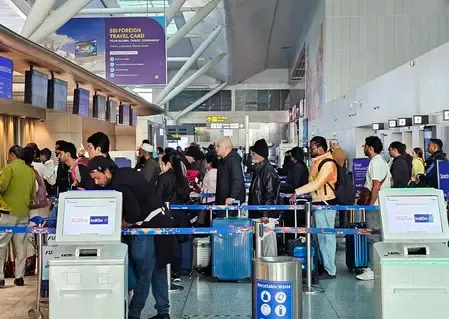
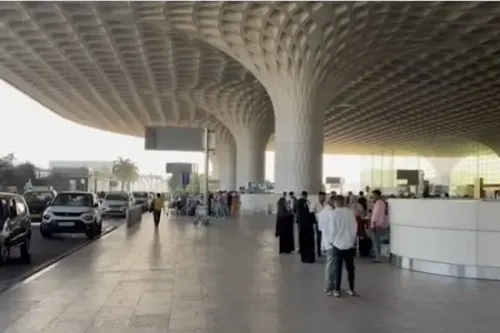
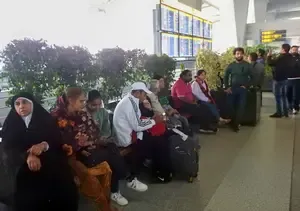
Many airports within the Gulf nations experienced the impact, leading airlines to cancel, reroute, or divert flights due to safety concerns.
Following the strikes, Israel swiftly closed its airspace to civilian flights, prompting several airlines in Europe and the Gulf to either cancel flights or alter their routes to circumvent the area.
Over the last two years, airlines have repeatedly encountered similar interruptions in the West Asian region as escalating tensions and conflicts have resulted in abrupt airspace closures.
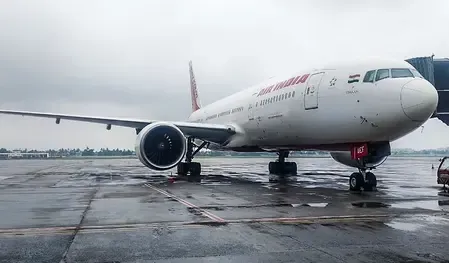
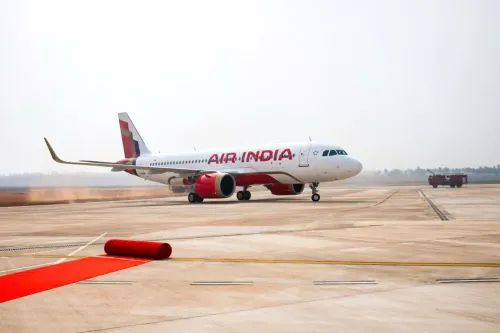
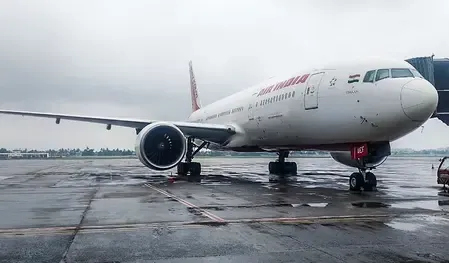
India’s flag carrier, Air India, reported that its Delhi–Tel Aviv flight had to return to Mumbai after Israel's airspace was closed.
The airline stated that this decision was made to prioritize the safety of passengers and crew members, and it would continue to assess the security situation before resuming operations.
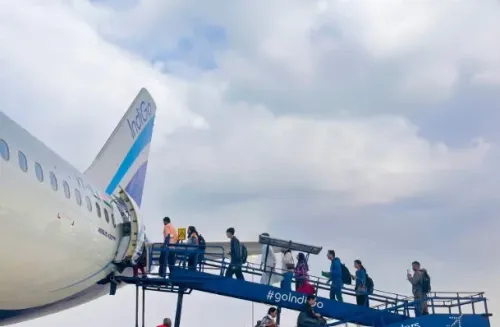
IndiGo, India’s largest airline, also indicated that it was closely monitoring events related to Iran and the surrounding areas.
In a message shared on the social media platform X, the airline mentioned that its teams were prepared to implement operational adjustments if necessary and recommended that passengers verify their flight status prior to heading to the airport.
The situation intensified further after US President Donald Trump announced that the United States and Israel were conducting "major" joint military operations in Tehran.
Israeli Prime Minister Benjamin Netanyahu's administration characterized the airstrikes as a "preventive" measure.
The airspace closures also had repercussions for various international airlines. Russia's transport ministry reported that Russian airlines had halted flights to both Israel and Iran, while alternative routes were being utilized for services to Gulf nations.
The ministry cautioned that diverted flights would likely result in longer travel times, according to multiple media sources.
Dubai-based airline flydubai noted that some of its flights were disrupted due to the temporary closure of Iraqi, Iranian, and Israeli airspace.
Airlines in the region are anticipated to continue avoiding affected airspaces, resulting in longer routes and increased fuel costs until the security situation stabilizes.
Point of View
It’s essential to emphasize the critical nature of air travel safety. The closure of airspace by multiple countries following military actions raises significant concerns for airlines and travelers, requiring ongoing vigilance and immediate responses from airlines to ensure safety.
NationPress
10 Oct 2026
Frequently Asked Questions
Why were flights disrupted in the Middle East?
Flights were disrupted due to airspace closures initiated by Israel, Iran, and neighboring countries following Israeli airstrikes on Tehran.
What measures are airlines taking in response?
Airlines are canceling, rerouting, or diverting flights to ensure the safety of passengers and crew members.
How long are the airspace closures expected to last?
The duration of the airspace closures is uncertain and will depend on the stabilization of the security situation in the region.
What should travelers do if they have flights in the region?
Travelers are advised to check their flight status with their airlines before heading to the airport due to potential cancellations or delays.
How are international airlines affected?
International airlines are adjusting their routes and operations to avoid the affected airspace, leading to longer travel times and increased operational costs.