Modi, Mirziyoyev push for UN Security Council reform in Tashkent
Synopsis
In Tashkent, PM Modi secured a fresh endorsement from Uzbekistan for India's permanent UN Security Council seat — and both nations called for a fundamental overhaul of the UN's architecture. With India holding the BRICS Chair in 2026 and Uzbekistan taking over NAM leadership in 2027, this summit signals a deepening strategic alignment between New Delhi and Central Asia at a pivotal moment for global multilateralism.
Key Takeaways
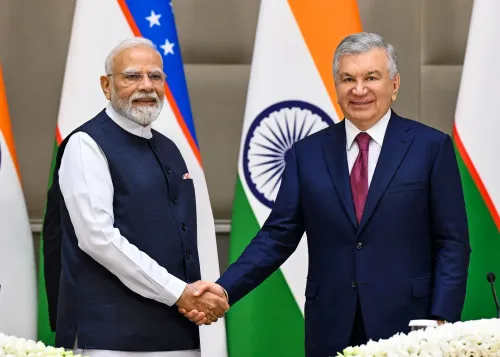
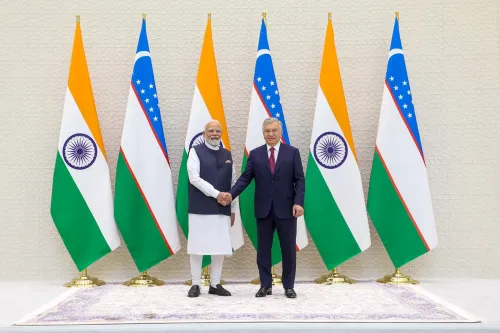
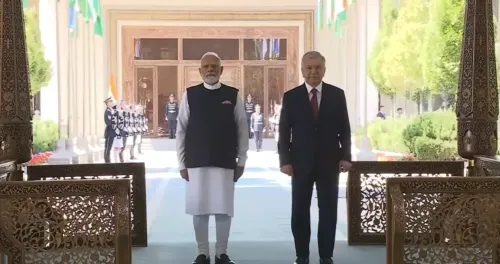
PM Narendra Modi and Uzbekistan President Shavkat Mirziyoyev met in Tashkent on 30 August and jointly called for comprehensive UN Security Council reform .
Uzbekistan reaffirmed its support for India's candidature for permanent membership of the UN Security Council .
Both leaders pledged deeper cooperation within the Shanghai Cooperation Organisation (SCO) and committed to advancing Global South interests in international forums.
President Mirziyoyev congratulated India on its BRICS Chairship in 2026 ; Modi backed Uzbekistan's NAM Chairship for 2027–2030 .
Uzbekistan expressed interest in joining the International Big Cat Alliance (IBCA) and the International Solar Alliance (ISA) .
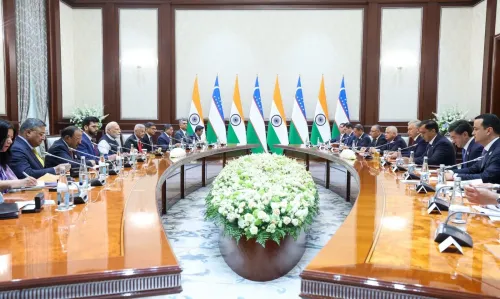
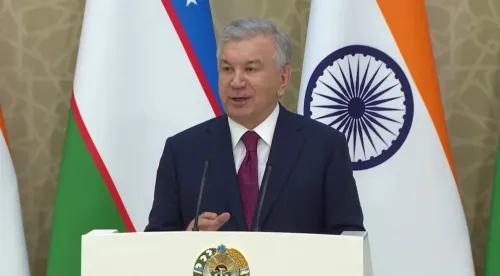
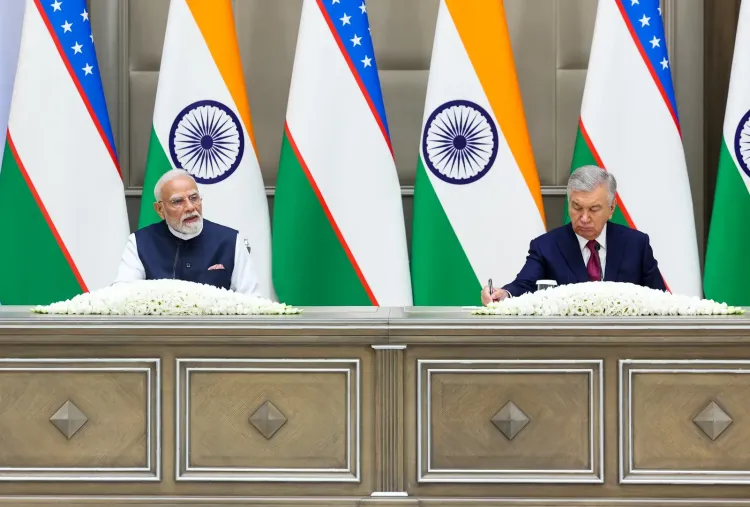
Prime Minister Narendra Modi and Uzbekistan President Shavkat Mirziyoyev on Sunday, 30 August jointly called for sweeping reform of the United Nations, including its Security Council, to better reflect contemporary global realities and make the body more representative, effective, and efficient. The call came in a joint statement issued after bilateral talks in Tashkent, during Modi's two-day state visit to Uzbekistan.
Key Developments from the Tashkent Summit
The joint statement affirmed that both nations believe the UN must remain the central pillar of global peace and security. The two leaders agreed to deepen mutual cooperation across the UN and other international and regional bodies, including through active support for each other's multilateral positions.
In a significant diplomatic endorsement, Uzbekistan reaffirmed its support for India's candidature for permanent membership of the UN Security Council — a long-standing Indian foreign policy objective that has gained renewed momentum as New Delhi pushes for a restructured multilateral order.
Uzbekistan Backs India's UNSC Bid
Tashkent's backing for India's permanent seat bid is part of a broader pattern of Central Asian states aligning with New Delhi's multilateral ambitions. India has consistently argued that the current Security Council structure — largely unchanged since 1945 — fails to represent the geopolitical weight of the Global South. Uzbekistan's endorsement adds to a growing list of countries that have voiced support, though formal expansion of the Council remains stalled by great-power disagreements.
SCO, BRICS, and the Global South Agenda
Both leaders reaffirmed their commitment to strengthening coordination within the Shanghai Cooperation Organisation (SCO), describing it as a vital platform for regional peace, stability, and economic cooperation. President Mirziyoyev congratulated PM Modi on India's Chairship of BRICS in 2026 and extended wishes for a successful BRICS Summit.
Modi, in turn, expressed confidence in Uzbekistan's Chairship of the Non-Aligned Movement (NAM) for the period 2027–2030, reaffirming India's readiness to support the Movement as one of its founding members. The joint statement also underscored both countries' shared commitment to advancing the common interests of Global South nations in international forums.
Climate and Conservation Cooperation
The two leaders acknowledged the important roles of the International Big Cat Alliance (IBCA) and the International Solar Alliance (ISA) as platforms for advancing global cooperation in wildlife conservation and clean energy respectively. The Indian side welcomed Uzbekistan's interest in joining both frameworks and conveyed readiness to facilitate the necessary accession processes.
What Comes Next
PM Modi's 29–30 August visit to Uzbekistan is expected to set the tone for deeper India-Central Asia engagement ahead of the BRICS Summit and upcoming SCO engagements. The accession consultations for the IBCA and ISA, and the continued push for UNSC reform, will be watched closely as India seeks to consolidate its multilateral standing through the remainder of 2025 and into its BRICS Chair year of 2026.
Point of View
Not Central Asian endorsements. What is more consequential is the emerging India-Central Asia convergence on Global South priorities, which Modi is systematically building ahead of the BRICS Chair year. The IBCA and ISA accession overtures are soft-power levers that cost little but extend India's institutional footprint. The harder question is whether India's UNSC reform push will find a concrete multilateral vehicle in 2026 or remain a recurring summit communiqué item.
NationPress
15 Oct 2026
Frequently Asked Questions
What did India and Uzbekistan agree on regarding the UN?
India and Uzbekistan jointly called for comprehensive reform of the United Nations, including its Security Council, to make it more representative and effective. Uzbekistan also reaffirmed its support for India's candidature for permanent membership of the UN Security Council.
Why is India pushing for a permanent UN Security Council seat?
India argues that the current Security Council structure, largely unchanged since 1945, does not reflect the contemporary geopolitical and economic weight of nations like India and the broader Global South. New Delhi has been building international support for UNSC expansion as part of its broader multilateral foreign policy.
What is the significance of Modi's visit to Uzbekistan?
PM Modi's two-day visit to Tashkent from 29 to 30 August deepened India-Uzbekistan bilateral ties and produced a joint statement covering UN reform, SCO cooperation, BRICS, NAM, and clean energy and wildlife conservation alliances. It is part of India's broader engagement with Central Asia ahead of its BRICS Chair year in 2026.
What is the International Big Cat Alliance and why does it matter here?
The International Big Cat Alliance (IBCA) is an India-led global platform for the conservation of big cats. Uzbekistan's interest in joining it — alongside the International Solar Alliance — signals a broadening of India-Uzbekistan cooperation beyond traditional trade and security into multilateral institutional frameworks.
What is India's role in BRICS and NAM discussed at this summit?
President Mirziyoyev congratulated India on holding the BRICS Chairship in 2026 and wished PM Modi success in hosting the BRICS Summit. Modi, in turn, expressed confidence in Uzbekistan's upcoming Chairship of the Non-Aligned Movement from 2027 to 2030 and reaffirmed India's support as a founding NAM member.