Morocco's Fatima Ezzahra El Mansouri appointed first female PM
Synopsis
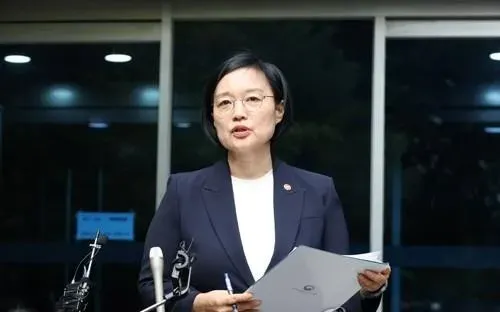
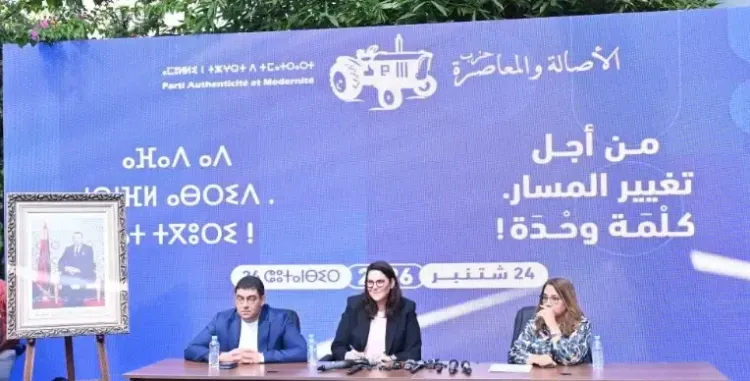
Morocco has made history: King Mohammed VI has appointed Fatima Ezzahra El Mansouri as the country's first-ever female prime minister, following the PAM's victory in the 23 September 2026 elections. The appointment breaks a significant gender barrier in a nation whose 2011 constitutional reforms already reshaped the balance between the palace and parliament — and puts Morocco ahead of most of the Arab world on executive gender representation.
Key Takeaways
King Mohammed VI appointed Fatima Ezzahra El Mansouri as Morocco's prime minister on 30 September 2026 .
El Mansouri is Morocco's first female head of government and national coordinator of the Authenticity and Modernity Party (PAM) .
The PAM won 97 of 395 seats in the 23 September 2026 parliamentary elections, finishing first.
The National Rally of Independents ( 66 seats ) and Istiqlal Party ( 65 seats ) ranked second and third respectively.
Women made up 36.47% of all registered candidates, with 90 seats reserved exclusively for women through regional lists.
Coalition negotiations are expected to determine the final composition of the new Cabinet.
Morocco's King Mohammed VI has appointed Fatima Ezzahra El Mansouri, national coordinator of the Authenticity and Modernity Party (PAM), as the country's new prime minister, the royal palace announced on 30 September 2026. El Mansouri becomes Morocco's first female head of government, a historic milestone for the North African nation.
Election Results That Triggered the Appointment
The appointment follows parliamentary elections held on 23 September 2026, in which the PAM emerged as the single largest party, securing 97 seats in the 395-member House of Representatives. Under Morocco's constitution, the king is required to appoint the prime minister from the party that wins the most seats, which then proceeds to form a government.
The National Rally of Independents finished second with 66 seats, while the Istiqlal Party came third with 65 seats, according to preliminary results released by Interior Minister Abdelouafi Laftit. The Justice and Development Party (PJD) — which had led coalition governments after the 2011 and 2016 general elections — ranked fourth with 54 seats.
Structure of the Election
Of the 395 seats contested, 305 were allocated through local electoral constituencies, while the remaining 90 seats were reserved exclusively for women through regional lists — a provision designed to ensure female representation in the legislature. A total of 7,288 candidates from 28 political groups registered for the election nationwide. Women accounted for 2,658 candidates, representing 36.47% of all registered contestants, according to the Interior Ministry.
Morocco's Political Landscape
Morocco operates a bicameral parliament comprising the House of Representatives and the House of Councillors. The 2026 election determined membership of the lower house across the country's 12 regions. The election of the House of Councillors is scheduled for 2027.
The outgoing government was formed by a coalition that included the Istiqlal Party, the National Rally of Independents, and the PAM itself. Other parties that contested the election include the Socialist Union of Popular Forces, the Popular Movement, and the Party of Progress and Socialism. This is the third major electoral cycle since the Arab Spring-era constitutional reforms of 2011 reshaped Morocco's parliamentary system.
Significance of El Mansouri's Appointment
El Mansouri's appointment is widely seen as a landmark moment not just for Morocco but for the broader Arab world, where female heads of government remain exceptionally rare. As national coordinator of the PAM, she was central to the party's electoral campaign strategy. Coalition negotiations are now expected to determine the composition of the new Cabinet, with the PAM needing to bring in alliance partners to secure a working majority in the 395-seat chamber.
How El Mansouri navigates coalition-building and steers economic and social policy will be closely watched both domestically and by Morocco's partners in the European Union and across Africa.
Point of View
But the structural reality of Moroccan politics means the prime minister operates within a system where the palace retains considerable executive authority — making the historic 'first female' framing only part of the story. The PAM's 97 seats out of 395 fall well short of a majority, meaning coalition arithmetic will define how much she can actually deliver. Mainstream coverage is celebrating the gender milestone while underplaying the governance challenge: forming a stable coalition in a fragmented chamber with a party that holds roughly 25% of seats. The real test of this appointment's historic weight will be whether El Mansouri can translate symbolic precedent into durable policy influence.
NationPress
30 Sept 2026
Frequently Asked Questions
Who is Fatima Ezzahra El Mansouri?
Fatima Ezzahra El Mansouri is the national coordinator of Morocco's Authenticity and Modernity Party (PAM) and has been appointed as Morocco's prime minister on 30 September 2026. She is the first woman to serve as head of government in Morocco's history.
Why was El Mansouri appointed prime minister of Morocco?
Under Morocco's constitution, the king must appoint the prime minister from the party that wins the most seats in parliamentary elections. The PAM won 97 of 395 seats in the 23 September 2026 elections, finishing first, which triggered El Mansouri's appointment.
How did Morocco's 2026 parliamentary election turn out?
The Authenticity and Modernity Party (PAM) won 97 seats, followed by the National Rally of Independents with 66 seats and the Istiqlal Party with 65 seats. The Justice and Development Party ranked fourth with 54 seats, according to Interior Ministry results.
What happens next after El Mansouri's appointment?
El Mansouri's PAM must now negotiate with other parties to form a coalition government capable of commanding a working majority in the 395-member House of Representatives. The composition of the new Cabinet will depend on the outcome of those coalition talks.
How are seats distributed in Morocco's House of Representatives?
Of the 395 seats, 305 are contested through local electoral constituencies across Morocco's 12 regions, while the remaining 90 are allocated exclusively to women through regional lists. The next election for the upper chamber, the House of Councillors, is scheduled for 2027.