Najaf airport resumes Iran flights after US waiver lifts sanctions block
Synopsis
Ten days after US Treasury sanctions grounded all Iran-bound flights from Najaf, a US waiver has allowed Caspian Airlines to resume operations — capped at 40 daily flights and with Mahan Air still barred. The development lands as Iranian Foreign Minister Araghchi tables a seven-day Strait of Hormuz reopening plan at the UN, signalling Tehran is betting on diplomacy even while warning of a stronger military response if talks fail.
Key Takeaways
Najaf International Airport received its first direct flight from Tehran on 5 October 2025 , operated by Caspian Airlines .
The resumption follows a US government waiver announced after the Iraqi government's agreement on 2 October 2025 allowing up to 40 Iranian flights daily .
Mahan Air remains excluded from the waiver; all other Iranian carriers may now operate the route.
Flights had been suspended since 25 September 2025 when US Treasury sanctions on Iran's aviation sector revoked necessary authorisations.
Iranian Foreign Minister Seyed Abbas Araghchi presented a seven-day proposal at UNGA for resolving disputes and reopening the Strait of Hormuz .
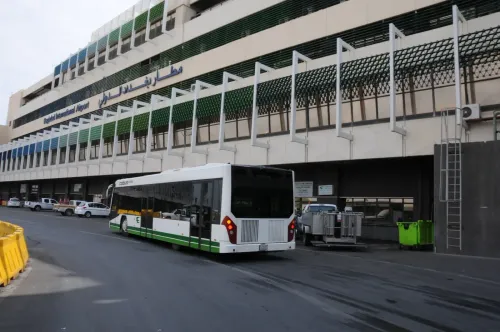
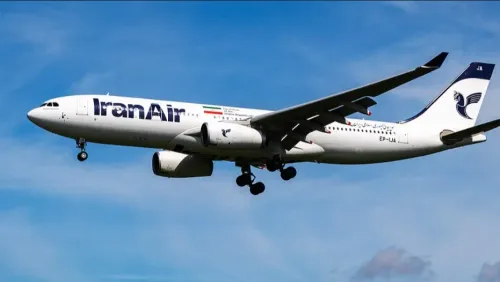
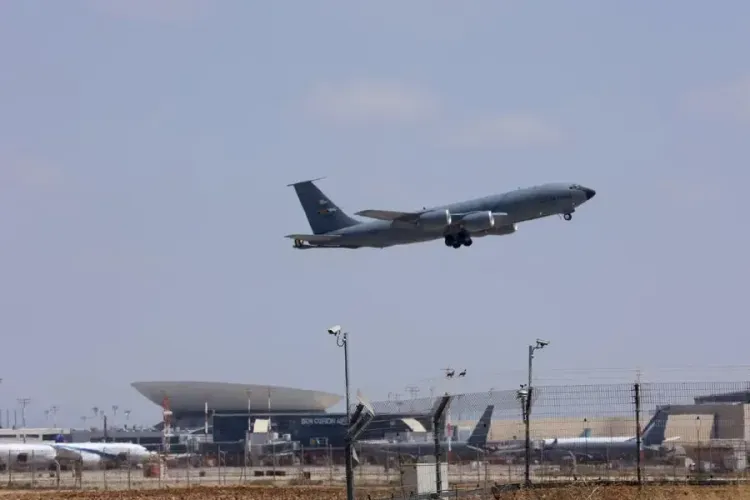
Najaf International Airport on Sunday, 5 October 2025 received its first direct flight from Tehran, marking the formal resumption of air travel between Iraq and Iran after a US-granted waiver cleared the way for Iranian carriers to operate into the airport. The milestone flight was operated by Caspian Airlines and received a traditional water cannon salute on arrival, according to a post on the airport's official Facebook page.
Background: How the Suspension Happened
Najaf International Airport had suspended all flights to and from Iran on 25 September 2025, after the US Treasury Department imposed new sanctions on Iran's aviation sector. Those sanctions revoked authorisations permitting non-US airlines to fly US-origin or US-controlled commercial aircraft into Iranian territory, effectively grounding cross-border operations at short notice.
The abrupt halt disrupted the movement of pilgrims, medical travellers, and tourists — a significant concern given Najaf's status as one of Shia Islam's holiest cities and a key transit hub for Iranian religious visitors to the shrine of Imam Ali.
The Agreement and the US Waiver
On 2 October 2025, the Iraqi government announced a formal agreement allowing Iranian airlines — with the explicit exception of Mahan Air, which remains under US sanctions — to operate up to 40 flights daily to and from Najaf. A statement from the media office of Iraqi Prime Minister Ali al-Zaidi confirmed that the arrangement was made possible through US government cooperation in granting a specific exemption. The agreement is intended primarily to facilitate the movement of pilgrims, medical patients, and tourists, according to the statement.
Notably, Mahan Air's exclusion underscores that the waiver is targeted and conditional — not a broader rollback of sanctions pressure on Iran's aviation industry.
Iran's Diplomatic Posture amid Continuing Tensions
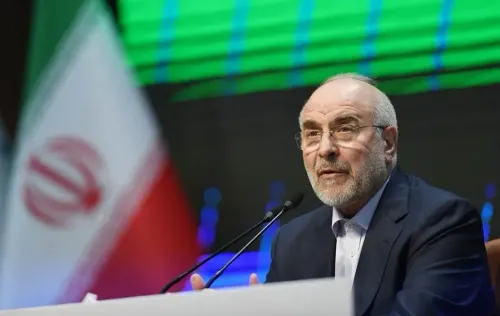
The flight resumption coincided with pointed diplomatic signals from Tehran. Speaking to ambassadors and representatives of countries and international organisations, Iranian Foreign Minister Seyed Abbas Araghchi asserted on Sunday that “There is no military or sanctions-based solution. Only a diplomatic solution can work and can help bring an end to the aggression against Iran.”
Araghchi expressed hope that Washington would choose “wisdom and rationality,” while also warning, according to the semi-official Tasnim News Agency, that Iran is “more prepared than before” should the US opt for a military course. He stated that Iran's response would be proportionally stronger if adversaries again chose confrontation.
The Foreign Minister also disclosed that Iran had presented a seven-day proposal during the 81st session of the United Nations General Assembly (UNGA) for resolving disputes and reopening the Strait of Hormuz. Under the proposal, the Strait would be reopened within seven days of agreement. Iran, he said, had demonstrated readiness for a diplomatic resolution at UNGA while simultaneously reiterating its right to self-defence.
What This Means for Travellers and the Region
The resumption of flights at Najaf offers immediate relief to a large constituency: Iranian Shia pilgrims who travel frequently to the holy cities of Najaf and Karbala, as well as patients seeking medical care and tourists. The 40-flights-per-day cap, if fully utilised, represents a substantial restoration of connectivity.
This episode illustrates the outsized human cost that sectoral sanctions can impose even when their primary target is a government — and signals that Washington retains leverage over how those costs are distributed. Whether this waiver holds, and for how long, will depend heavily on the trajectory of broader US-Iran negotiations in the weeks ahead.
Point of View
Enough relief to preserve Baghdad as a cooperative partner. Excluding Mahan Air while permitting other carriers is a precision instrument, not a concession. The harder question is whether this narrow opening will serve as a confidence-building step toward broader US-Iran diplomacy — or simply become a pressure valve that allows sanctions to persist indefinitely without a political resolution. Araghchi's simultaneous Hormuz proposal at UNGA suggests Tehran is trying to convert humanitarian relief into negotiating momentum, but a seven-day reopening timeline tied to an agreement the two sides have not yet reached looks more like a positioning move than an imminent breakthrough.
NationPress
5 Oct 2026
Frequently Asked Questions
Why were Iran-Iraq flights at Najaf suspended?
Najaf International Airport suspended all flights to and from Iran on 25 September 2025 after the US Treasury Department imposed new sanctions on Iran's aviation sector, revoking authorisations that permitted non-US airlines to fly US-origin or US-controlled aircraft into Iran. The move effectively grounded cross-border operations at short notice.
What is the US waiver and what does it allow?
The US waiver is a specific exemption granted at Iraq's request, allowing Iranian airlines — excluding Mahan Air — to operate up to 40 flights daily to and from Najaf International Airport. It was announced as part of an Iraqi government agreement on 2 October 2025 and is intended to facilitate pilgrims, medical travellers, and tourists.
Why is Mahan Air excluded from the waiver?
Mahan Air remains under separate, longstanding US sanctions and was explicitly carved out of the new exemption. The waiver covers other Iranian carriers such as Caspian Airlines, which operated the first resumed flight on 5 October 2025.
What is Iran's seven-day Strait of Hormuz proposal?
Iranian Foreign Minister Seyed Abbas Araghchi disclosed at the 81st session of the United Nations General Assembly (UNGA) that Iran had presented a proposal under which the Strait of Hormuz would be reopened within seven days if the plan is agreed upon by all parties. The proposal is part of Iran's stated push for a diplomatic resolution to ongoing tensions with the US.
How significant is Najaf as an air link between Iraq and Iran?
Najaf is one of Shia Islam's holiest cities and a major destination for Iranian pilgrims visiting the shrine of Imam Ali. The airport serves a large volume of religious travellers, medical patients, and tourists from Iran, making the suspension — and now the resumption — of direct flights a matter of considerable humanitarian and economic importance for both countries.