Is there a measles outbreak in Namibia's Opuwo district?

Synopsis
Namibia's Ministry of Health has declared a measles outbreak in Opuwo, Kunene Region, with 10 confirmed cases. Urgent vaccination campaigns are underway, targeting children aged 6 months to 15 years. Parents are urged to ensure vaccinations and seek medical care for symptoms. Learn more about this critical health issue affecting the region.
Key Takeaways
Namibia's health authorities have declared a measles outbreak in Opuwo.
10 out of 20 suspected cases have tested positive.
Vaccination efforts are being intensified to protect children.
Parents are urged to ensure their children are fully vaccinated.
Measles can lead to severe health complications.
Windhoek, Sep 17 (NationPress) The Ministry of Health and Social Services in Namibia has officially announced a measles outbreak in the Opuwo district of the northwestern Kunene Region, where 10 out of 20 suspected cases have tested positive, according to officials on Wednesday.
All affected individuals are reported to be in stable condition, with no fatalities recorded, stated Minister Esperance Luvindao. She emphasized that according to Namibia's national health protocols, the confirmation of just two laboratory-verified measles cases from a pool of five suspected cases is adequate to declare an outbreak.
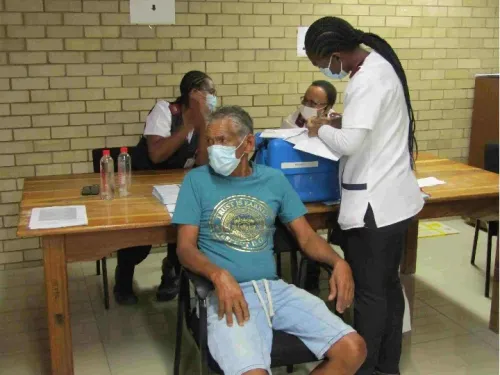
The ministry has intensified its response by enhancing surveillance measures, launching public awareness campaigns, and organizing mass vaccination initiatives aimed at children aged between six months and 15 years.
As of September 12, a total of 1,525 children have already received vaccinations. A comprehensive district campaign is set to run from September 17 to October 3, 2025, targeting over 28,000 children.
According to Luvindao, the majority of confirmed cases are among individuals who have not been vaccinated, highlighting the critical need for routine childhood immunizations.
She urged parents and caregivers to ensure that all children are fully vaccinated and to seek medical attention promptly if they exhibit symptoms like fever and rash, as reported by the Xinhua news agency.
Measles is an extremely contagious illness caused by a virus, spreading easily through respiratory droplets from an infected person’s coughs, sneezes, or breaths. It can lead to serious health complications and even death.
While measles can affect individuals of any age, it is most prevalent among children.
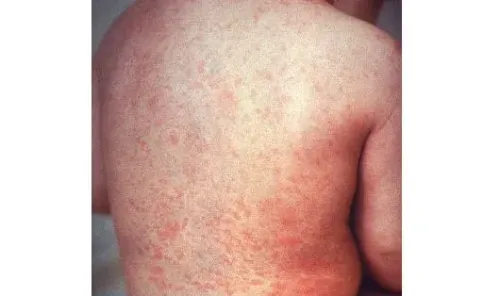
The virus primarily targets the respiratory tract before disseminating throughout the body. Initial symptoms include a high fever, cough, runny nose, and a widespread rash.
Vaccination remains the most effective method to prevent measles infection and its transmission. The vaccine is safe and bolsters the body’s defense against the virus.
Prior to the introduction of the measles vaccine in 1963, significant outbreaks occurred approximately every two to three years, resulting in an estimated 2.6 million fatalities annually.
In 2023 alone, approximately 107,500 individuals succumbed to measles, predominantly children under five years old, despite the availability of a safe and affordable vaccine.
Measles symptoms typically manifest 10–14 days following exposure to the virus, with a prominent rash being the most noticeable sign.
Initial symptoms such as a runny nose, cough, red and watery eyes, and small white spots inside the cheeks typically last 4–7 days.
The rash usually appears 7–18 days after exposure, starting on the face and neck, spreading over the course of about three days to the hands and feet, and usually fading after 5–6 days.
Point of View
It is imperative that we support Namibia's health initiatives to combat this measles outbreak. The swift response from the Ministry of Health and Social Services reflects a commitment to public health. Vaccination is essential in safeguarding our communities, and it is our duty to inform and educate the public on this pressing issue.
NationPress
22 Sept 2026
Frequently Asked Questions
What is the current situation regarding the measles outbreak in Namibia?
Namibia's Ministry of Health has declared a measles outbreak in the Opuwo district, with 10 positive cases confirmed out of 20 suspected cases. The health ministry is implementing vaccination campaigns to control the spread.
What symptoms should parents look out for?
Parents should be vigilant for symptoms such as high fever, cough, runny nose, rash, and small white spots inside the mouth. If these symptoms appear, seek medical care immediately.
How can measles be prevented?
The most effective way to prevent measles is through vaccination. The measles vaccine is safe and provides immunity against the virus.
Who is most at risk for measles?
Children under five years old, especially those who are unvaccinated, are at the highest risk for contracting measles and experiencing severe complications.
What steps are being taken to address the outbreak?
The Ministry of Health has increased surveillance, launched public awareness campaigns, and initiated mass vaccination efforts targeting children between six months and 15 years old.