Are Nepal's Political Parties Increasing Social Media Ad Spending Ahead of March Elections?
Synopsis
In the lead-up to Nepal's March elections, political parties are ramping up their social media ad spending, raising concerns over transparency and targeted campaigning. With significant investments in platforms like Facebook and Instagram, the landscape of election outreach is rapidly evolving.
Key Takeaways
Political parties are heavily investing in social media for the upcoming elections.
Rastriya Pariwartan Party leads in ad spending, raising concerns over transparency.
Stricter monitoring of social media ads is being implemented by the Election Commission.
Social media campaigns show both ethical and unethical tendencies.
The political landscape is rapidly evolving with digital outreach.
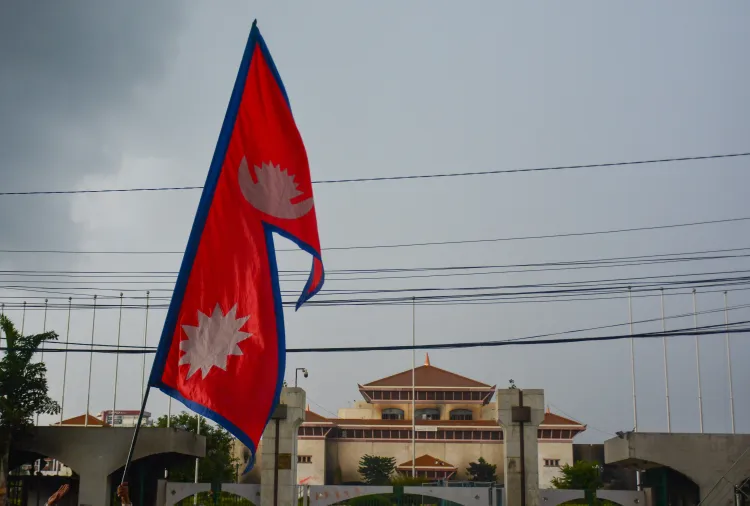
New Delhi, Jan 22 (NationPress) Political parties and candidates vying for Nepal's upcoming general elections on March 5 are placing a greater emphasis on social media platforms, resulting in a notable increase in advertising expenditures on Facebook, Instagram, WhatsApp, Threads, and Messenger, as reported by a media outlet.
Data from the Kathmandu Post revealed that from October 20 to January 11, the Rastriya Pariwartan Party emerged as the top spender on Facebook advertising during this timeframe.
“Following its merger with Ujyalo Nepal on January 15, the party actively promoted its content through its main page, a page designated for the Gen-Z United Movement, and various district chapter pages,” the report stated.
The Gatisheel Loktantrik Party also ranked among the highest spenders, running continuous sponsored posts across several pages and district chapters.
According to the report, the Gatisheel party's main Facebook page posted a total of 39 sponsored content pieces over the last three months.
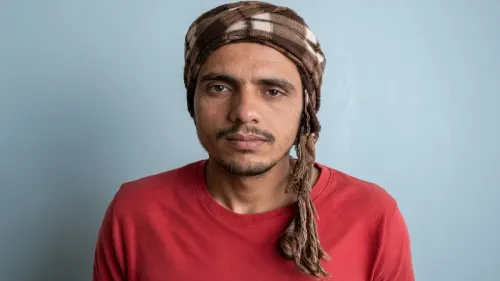
The Rastriya Pariwartan Party, established in November under the leadership of Rajesh Portel, who lost a leg during the Gen Z movement, allocated USD 1,199 for its Facebook page in the previous three months, as per the report.
This includes USD 240 spent by the party’s Okhaldhunga unit, with Gen-Z United and the Panchthar chapter contributing USD 427 and USD 100 respectively, leading to a total expenditure of USD 2,360.
The report highlighted that these three months saw “parties and candidates spending extravagantly, raising concerns about transparency and targeted campaigning.”
Technology expert Dovan commented that while social media has democratized election outreach by providing broader and more affordable access, “digital campaigns exhibit both ethical and unethical behaviors.”
The Gatisheel Loktantrik Party, identified as the second-highest spender with USD 1,116 across 39 ads in the past three months, was also mentioned.
Birendra Bahadur Basnet, the owner of Buddha Air and founder of the Gatisheel Loktantrik Party, reportedly utilized both the party’s official page and his secretariat page for election campaigns. Shree Gurung, a founding member of Ujyalo Nepal, was also noted for “actively investing in digital promotion,” as highlighted in the report.
During this period, he spent USD 489 on 11 advertisements. In previous elections, he had spent around USD 5,968 on social media, finishing third with 2,761 votes from the Kathmandu-5 constituency, where he is running again.
A Facebook page named Citizens for Voting Nepal, claiming to be a non-partisan initiative promoting voter literacy, spent USD 417 on a single advertisement from November 21 to 23. The ad featured graphics that explained the online registration process for voter ID, aiming to guide voters.
From the Nepali Congress Party, Sunil Kumar Sharma, a medical entrepreneur contesting from Morang-3, allocated USD 289 for three ads in the last 90 days. Additionally, a page titled RSP Coverage Yugesh spent USD 230, primarily promoting specific candidates rather than general party information.
Furthermore, Facebook ads were also observed for Nepali Communist Party leader Jhalanath Khanal and Rastriya Prajatantra Party chairman Rajendra Lingden.
Overall, the newspaper found that data from Meta between January 11 and 17 indicated a “minor decline in spending.” It also suggested that with direct election nominations now filed, the volume of social media advertisements is likely to increase, prompting parties and candidates to bolster their budgets.
Nepal’s Election Commission has announced stricter oversight of social media advertising this year, as well as monitoring for fake and misleading news.
The forthcoming poll will occur under an interim administration led by the country’s first female justice, Sushila Karki. Last September, the K. P. Sharma Oli government was compelled to resign following a widespread anti-corruption movement by the youth across Nepal, known as the “Gen Z protests”.
Point of View
It is imperative to recognize the evolving nature of political campaigning in Nepal. The substantial investment in social media advertising by various parties signals a shift towards more modernized, digital outreach efforts. However, this also raises critical questions regarding transparency and the ethical implications of such spending. As the nation moves toward the elections under interim administration, a balanced approach to monitoring these campaigns will be crucial.
NationPress
19 Sept 2026
Frequently Asked Questions
What is the significance of social media in Nepal's elections?
Social media plays a pivotal role in modern political campaigns, allowing parties to reach wider audiences at lower costs, but it also raises concerns about transparency and targeted messaging.
How much are parties spending on social media advertisements?
Parties are spending significant amounts, with the Rastriya Pariwartan Party alone spending over USD 2,360 in recent months on Facebook ads.
What regulations are being implemented by the Election Commission?
The Election Commission is enforcing stricter monitoring of social media advertising and is also scrutinizing fake and misleading news.
Who are the major players in Nepal's political landscape?
Key players include the Rastriya Pariwartan Party, Gatisheel Loktantrik Party, and candidates like Sunil Kumar Sharma and Rajesh Portel.
What impact could this advertising spending have on the election?
Increased spending on social media can significantly influence voter perceptions and engagement, potentially swaying the election outcomes.