Is Bangladesh's Yunus Government Targeting Journalists with Anti-Terror Laws?
Synopsis
In Bangladesh, the interim government led by Muhammad Yunus is facing intense scrutiny for allegedly misusing anti-terror laws to prosecute journalists. This alarming trend has resulted in pre-trial detentions and severe charges against media professionals, raising concerns about press freedom and safety in the country.
Key Takeaways
Anti-terror laws in Bangladesh are being used against journalists.
Pre-trial detentions can last for months on severe charges.
There is a growing climate of fear among media professionals.
Self-censorship is becoming common among journalists.
Reports of violence against media outlets have intensified.
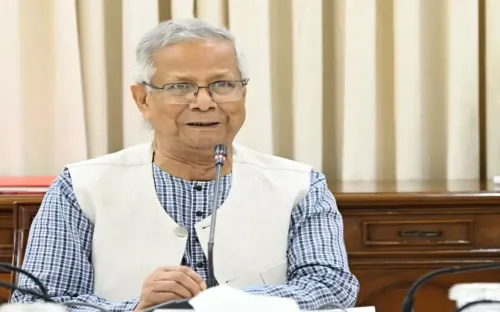
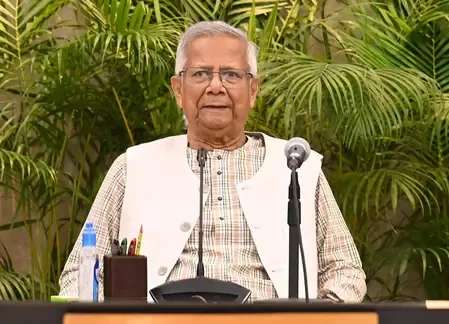
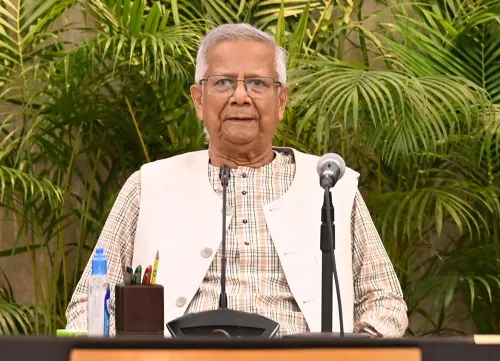
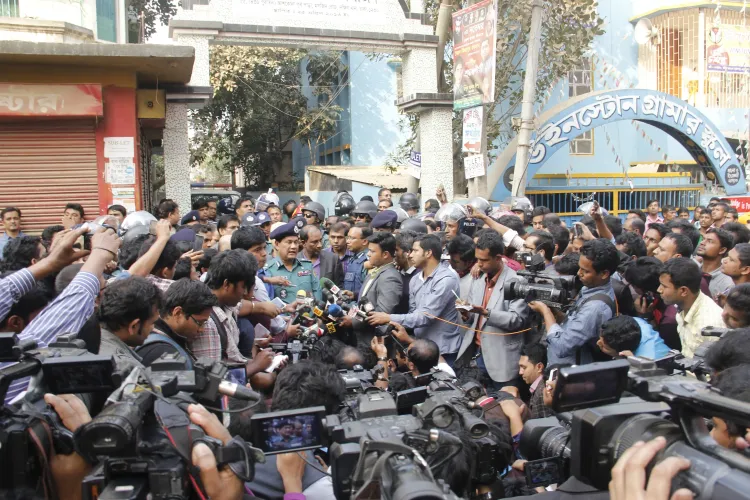
Dhaka, Jan 22 (NationPress) The interim government of Bangladesh, led by Muhammad Yunus, has been criticized for its most disgraceful action by allowing anti-terror laws to be used for the arrest of journalists nationwide. This has resulted in several journalists facing pre-trial detentions lasting months on extraordinary and often outlandish charges, including murder, as reported on Thursday.
According to the Rights and Risks Analysis Group, an independent think tank based in New Delhi, by December 2025, the Yunus-led government had targeted 640 journalists through a combination of criminal charges, financial scrutiny, and acts of violence.
As reported by The Diplomat, journalist Anis Alamgir, who was arrested on December 14 of the previous year, is still awaiting trial, facing anti-terrorism charges for criticizing government policies on social media. Another journalist, Monjurul Alam Panna, faced similar charges for participating in a constitutional law discussion on August 28 of last year, which is widely recognized as a form of protected political expression.
Despite these allegations, Shafiqul Alam, the Press Secretary for Yunus, claimed there has not been “a single instance in which a journalist has been prosecuted for criticizing this government,” asserting, “you are free to write anything.”
“Weaponized legalism enables governments to misuse laws to criminalize journalism under the pretense of legal procedures. Unlike overt censorship, which garners international criticism, weaponized legalism functions through judicial systems and law enforcement—institutions that are meant to uphold press freedom,” the report elaborated.
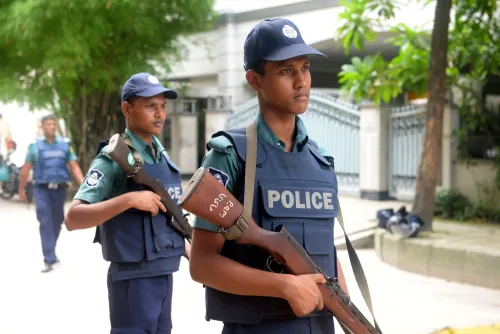
“Bangladesh’s anti-terrorism laws exemplify this methodology. The Anti-Terrorism Act allows for indefinite detention without judicial oversight, custodial interrogations lasting up to 24 days, and sentences that can reach life imprisonment. Alarmingly, it defines terrorism as any act ‘intended to induce fear or insecurity in the public’ or ‘to destabilize’ governmental functions,” as noted in The Diplomat.
According to the report, Bangladeshi journalists are increasingly hesitant to speak out, citing concerns about their personal safety.
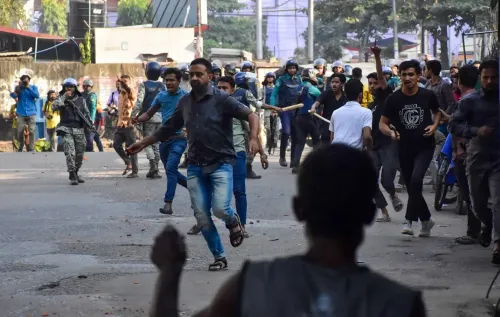
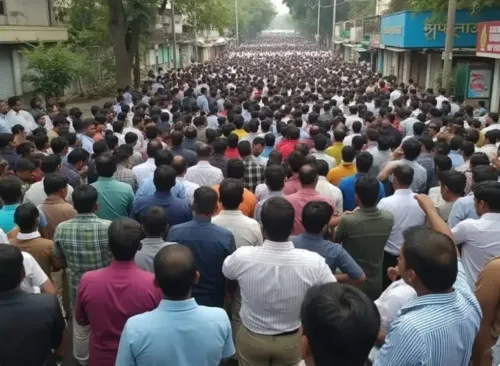
One newsroom head in Dhaka, speaking anonymously, expressed feeling “scared and unsafe” to criticize the government due to fears of mob violence, alleging that reporters are “deliberately self-censoring” their work “to survive.” The atmosphere of fear heightened in December, when mobs attacked and set fire to the offices of Bangladeshi newspapers The Daily Star and Prothom Alo, labeling them as pro-India and pro-Hasina, according to the country’s far-right factions.
Point of View
It is crucial to uphold the principles of press freedom and protect journalists' rights. While the government claims to safeguard democracy, the use of anti-terror laws against media personnel raises serious concerns. We stand firmly with the press and advocate for a transparent dialogue that encourages free expression.
NationPress
19 Sept 2026
Frequently Asked Questions
What are the anti-terror laws in Bangladesh?
The anti-terror laws in Bangladesh allow for indefinite detention without judicial warrants, lengthy custodial interrogations, and impose harsh penalties, including life sentences. These laws have raised concerns about their misuse against journalists.
How many journalists have been targeted by the Yunus government?
By December 2025, it was reported that the Yunus-led government had targeted 640 journalists through various means, including criminal prosecutions and financial investigations.
Why are journalists hesitant to speak out in Bangladesh?
Journalists in Bangladesh are increasingly reluctant to voice their opinions due to fears for their personal safety and the risk of mob violence, leading to self-censorship.
What charges have been brought against journalists?
Journalists have faced charges including anti-terrorism violations for criticizing government policies, which many argue is a violation of their rights to free expression.
What is weaponized legalism?
Weaponized legalism refers to the use of laws and legal procedures to criminalize journalism and suppress free speech under the guise of legality, avoiding direct censorship.