Nepal floods: 1,455 confirmed dead, 5,285 missing as rescue ops end
Synopsis
Forty days after Nepal's deadliest monsoon disaster in recent memory, Kathmandu has formally ended its search-and-rescue mission with 1,455 dead and 5,285 still unaccounted for. The government has now approved a NPR 559.18 billion reconstruction plan — but with total damage exceeding NPR 408 billion and recovery needs topping NPR 723 billion, the real challenge has only just begun.
Key Takeaways
Nepal formally ended flood search and rescue operations on 5 October 2026 , 40 days after the disaster struck on 26 August .
The official toll stands at 1,455 confirmed dead and 5,285 missing , according to the NDRRMA .
Physical damage is estimated at NPR 274.48 billion ; total losses and damages reached NPR 408.28 billion .
Reconstruction needs are preliminarily pegged at over NPR 723 billion ; the government has recommended a NPR 559.18 billion ($3.62 billion) budget for 504 projects .
Prime Minister Balendra Shah said rebuilding will proceed through the same federal-provincial-local coordination used during rescue operations.
A comprehensive Post-Disaster Needs Assessment is underway to finalise costs for projects not yet fully costed.
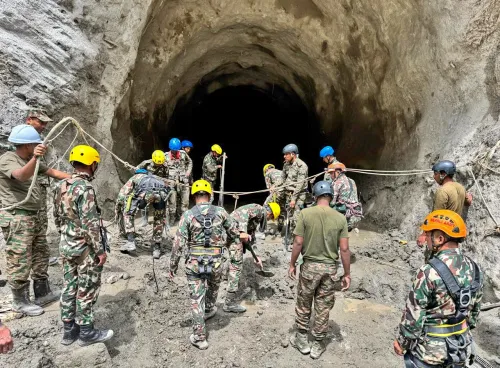
Nepal has officially called off search and rescue operations launched after catastrophic floods struck the country on 26 August 2026, with 1,455 people confirmed dead and 5,285 still missing, the Prime Minister's Secretariat announced on Monday, 5 October. The decision marks a grim pivot from saving lives to rebuilding communities, as hopes of finding survivors fade 40 days after the disaster.
Why the Search Was Called Off
The government's decision to end rescue operations followed recommendations from district security committees, district disaster management committees, the Executive Committee of the National Disaster Risk Reduction and Management Authority (NDRRMA), and findings from field inspections. Authorities said the combination of elapsed time and ground-level assessments left no realistic hope of locating additional survivors.
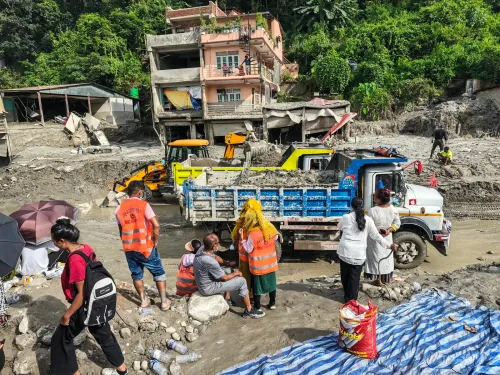
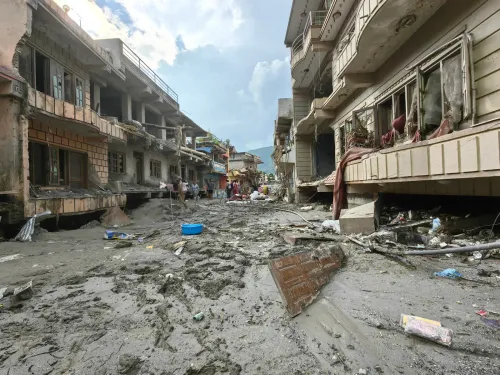
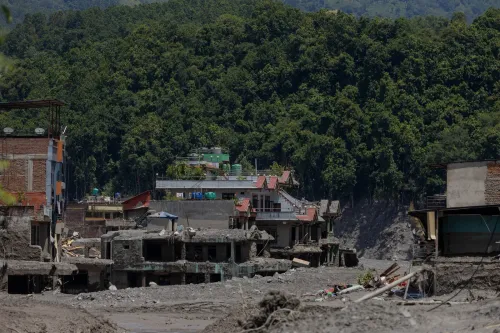
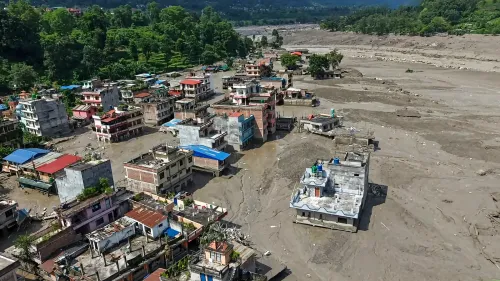
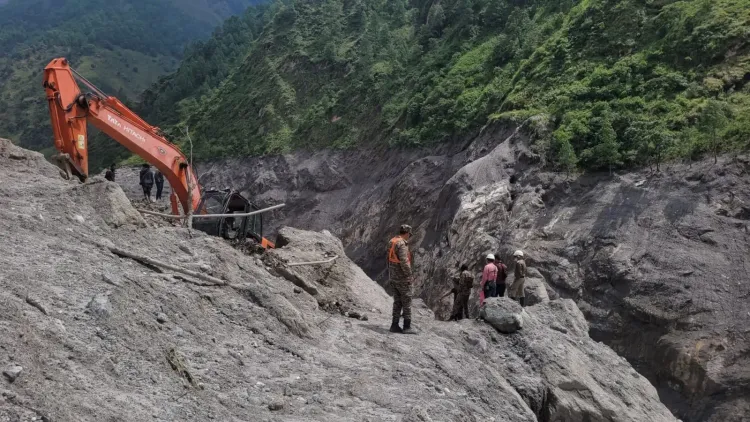
The floods, triggered by the overflowing of the Bhotekoshi and Trishuli rivers, devastated communities and critical infrastructure along both river corridors. The disaster is now classified among the deadliest monsoon events in Nepal's recent history.
Scale of Destruction
According to the Rapid Disaster Needs Assessment (RDNA) report prepared by a joint technical team of the National Planning Commission and the NDRRMA, the floods caused physical damage worth NPR 274.48 billion, while overall losses and damages reached NPR 408.28 billion. Preliminary estimates suggest that more than NPR 723 billion will be needed for full reconstruction and recovery of affected infrastructure and assets.
Notably, the government is now pursuing a comprehensive Post-Disaster Needs Assessment to refine cost estimates for projects not yet fully costed or prioritised.
Reconstruction Budget and Plans
The government meeting also resolved to recommend a budget of NPR 559.18 billion (approximately $3.62 billion) to the Ministry of Finance, covering 504 plans and programmes aimed at reconstructing and rehabilitating areas affected by the 26 August disaster and other monsoon-related disasters of the season.
The NDRRMA has been directed to recommend additional budgetary arrangements once cost estimates are finalised for projects currently without determined figures or pending prioritisation.
What the Prime Minister Said
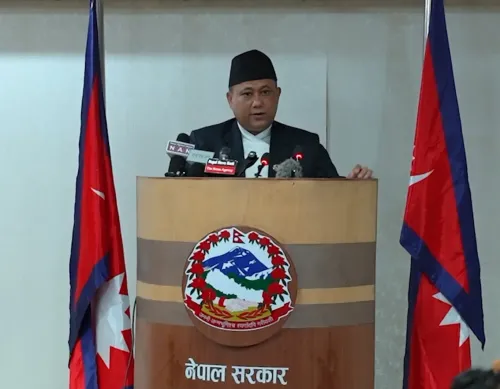
Prime Minister Balendra Shah stated that disaster management efforts had been carried out through coordination among federal, provincial, and local governments, and affirmed that reconstruction and rehabilitation would proceed through the same multi-tier mechanism. The meeting formally expressed sorrow over the loss of lives and property, paid tribute to those who perished, and conveyed condolences to bereaved families.
The government also acknowledged the contributions of security personnel, elected representatives, civil servants, private-sector organisations, volunteers, media personnel, and donor countries and development partners who supported operations during the crisis.
What Comes Next
With rescue operations formally concluded, Nepal's attention now shifts entirely to rebuilding flood-ravaged communities in the Bhotekoshi-Trishuli corridors. The scale of the recovery — potentially exceeding NPR 723 billion — will test the government's coordination capacity and its ability to absorb international assistance efficiently. The outcome of the ongoing Post-Disaster Needs Assessment is expected to shape the final rehabilitation roadmap in the weeks ahead.
Point of View
But the harder reckoning lies ahead. With 5,285 people still unaccounted for and total recovery costs potentially exceeding NPR 723 billion, Nepal faces a reconstruction challenge that dwarfs its annual disaster budget by multiples. The NPR 559.18 billion figure approved so far covers only part of assessed needs — the gap between headline allocation and actual disbursement has historically been wide in post-disaster settings across South Asia. Whether international donors and development partners follow through at scale, and whether the federal-provincial-local coordination mechanism holds under prolonged reconstruction pressure, will determine how quickly the Bhotekoshi-Trishuli corridors recover. The human toll — 1,455 dead, 5,285 missing — also demands a harder look at early-warning infrastructure along Nepal's major river systems, which remain vulnerable every monsoon season.
NationPress
5 Oct 2026
Frequently Asked Questions
How many people died and are missing in the Nepal floods of 2026?
A total of 1,455 people have been confirmed dead and 5,285 remain missing following the floods that struck Nepal on 26 August 2026 , according to the National Disaster Risk Reduction and Management Authority. The government formally ended search and rescue operations on 5 October 2026 , 40 days after the disaster.
Why did Nepal call off its flood search and rescue operations?
Nepal ended rescue operations after recommendations from district security committees, district disaster management committees, and the NDRRMA, combined with field inspections, concluded that chances of finding survivors had effectively faded. The decision was taken 40 days after the Bhotekoshi and Trishuli river floods struck on 26 August 2026.
What is the reconstruction budget approved by Nepal for flood recovery?
The government has recommended a budget of NPR 559.18 billion (approximately $3.62 billion ) to the Ministry of Finance, covering 504 plans and programmes for reconstruction and rehabilitation. Preliminary estimates suggest overall recovery needs exceed NPR 723 billion.
What was the total damage caused by the Nepal floods?
According to the Rapid Disaster Needs Assessment report, the floods caused physical damage worth NPR 274.48 billion , with total losses and damages reaching NPR 408.28 billion . Full reconstruction costs are preliminarily estimated at over NPR 723 billion.
Which rivers caused the Nepal floods, and which areas were affected?
The floods were triggered by the overflowing of the Bhotekoshi and Trishuli rivers , devastating communities and infrastructure along both river corridors. The disaster, compounded by other monsoon-related events, affected multiple districts across Nepal.