Nepal Opens Restricted Areas to Solo Trekkers: A New Era for Adventure
Synopsis
Nepal's new policy allows solo foreign trekkers to explore restricted areas, enhancing tourism and personal safety. This pivotal change marks a significant shift in trekking regulations, fostering adventure and independence for solo travelers.
Key Takeaways
Solo trekking now permitted in Nepal's restricted zones.
15 areas identified, including Upper Mustang and Dolakha.
Applications must go through agencies with guides provided.
One guide required for every seven trekkers.
New application process facilitates easier permit acquisition.
Kathmandu, March 23 (NationPress) Nepal has announced that it will now permit solo foreign trekkers to explore certain restricted areas, effectively abolishing the previous permit system that was limited to groups.
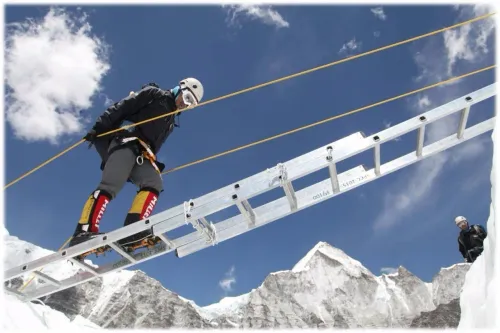
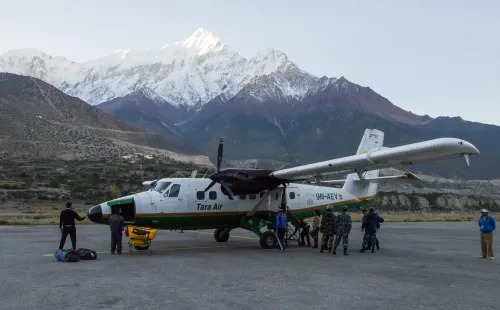
The nation has identified 15 regions across 13 mountain districts adjacent to China as restricted zones. In these areas, foreigners are required to obtain special permits and pay fees to the authorities. Notable locations include Upper Mustang, Taplejung, Sankhuwasabha, Solukhumbu, Dolakha, Rasuwa, two spots in Gorkha, Manang, two sites in Dolpa, Mugu, Humla, Bajhang, and Darchula.
The Department of Immigration issued a notice on Monday confirming that it will now provide trekking permits to solo travelers under specific conditions. These stipulations include: applications must be processed through an agency; an appointed trekking guide is mandatory; and the responsible agency must assume full accountability for rescue operations in case of emergencies while adhering to all legal requirements.
This decision to allow solo trekkers in restricted zones comes after consideration of complaints from the Trekking Agencies' Association of Nepal and other tourism-related organizations.
Previously, permits were granted solely to group travelers in these areas, which forced solo trekkers to find partners, leading to significant inconvenience. Tourism entrepreneurs voiced concerns that this policy was adversely affecting the promotion of tourism.
Furthermore, the department has established a requirement for at least one guide for every seven trekkers in these regions. Managing large groups with only one guide has proven challenging; thus, a maximum of seven trekkers per guide has now been instituted.
Additionally, the previous system requiring foreign nationals to provide an approved Nepal visa number during permit applications has been updated. Foreigners applying from abroad can now utilize their visa application number (submission ID) for the permit process.
The department stated, “These new measures are anticipated to boost tourism in Nepal, create local job opportunities, and ensure the personal safety of trekkers.”
Point of View
I believe this decision to allow solo trekkers in Nepal's restricted areas reflects a progressive approach towards tourism. It addresses previous limitations and acknowledges the importance of individual exploration while ensuring safety measures are in place.
NationPress
22 Sept 2026
Frequently Asked Questions
What areas are now open to solo trekkers in Nepal?
Nepal has designated 15 areas in 13 mountain districts near China as open for solo trekkers, including Upper Mustang, Taplejung, and Solukhumbu, among others.
What are the new requirements for solo trekkers?
Solo trekkers must apply through an agency, have a designated trekking guide, and the agency must take full responsibility for emergency rescues.
Why was the policy changed?
The change was influenced by feedback from the Trekking Agencies' Association of Nepal and concerns from tourism professionals about the limitations of the previous group-only policy.
How many trekkers can one guide manage?
The new rule allows one guide for every seven trekkers to ensure effective management and safety.
What is the process for obtaining a trekking permit now?
Foreigners can use their visa application number (submission ID) when applying for trekking permits from their home countries.