Nepal outbound tourism: 63.9% of day trips driven by India border shopping
Synopsis
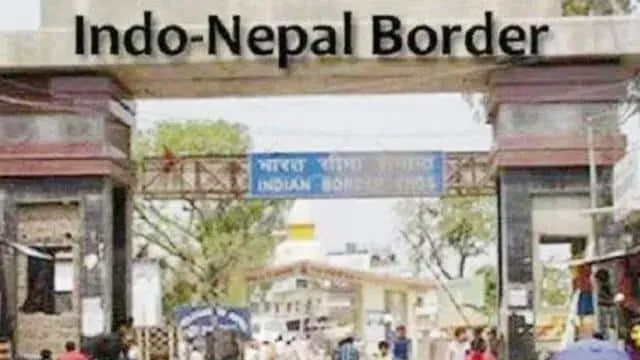
Nepal's own statistics office has confirmed what border traders have long known: the country's outbound tourism is less about leisure and more about economics. Nearly two-thirds of all same-day foreign trips by Nepalis are shopping runs to Indian border towns — a fact that makes the government's now-halted NPR 100 customs duty rule look even more politically explosive in hindsight.
Key Takeaways
Nepal's National Statistics Office recorded more than 4.1 million outbound trips by Nepali residents between October 2024 and October 2025 .
Shopping accounted for 63.9% of all same-day outbound trips and 70.7% of same-day outbound expenditure.
India was the top destination for same-day outbound trips, driven by lower prices in Indian border towns.
Madhesh Province led in same-day outbound travel; Lumbini Province led in overnight outbound trips — both border India .
Overnight trips were primarily for visiting friends and relatives ( 40.3% ), health treatment ( 19.6% ), and religious purposes ( 19.6% ).
November–January accounted for 50.2% of same-day outbound trips, reflecting festival-season travel peaks.
Cross-border shopping along the Nepal-India border has emerged as the single largest driver of Nepal's outbound tourism, according to the Domestic Tourism Survey 2025 released on Thursday, 3 July 2025 by Nepal's National Statistics Office (NSO). The survey, covering the period from 16 October 2024 to 15 October 2025, found that Nepali residents made more than 4.1 million trips abroad during the reference year.
Scale of Outbound Travel
Of the total outbound trips recorded, 3.5 million were same-day trips and 622,000 were overnight trips. The survey was designed to capture seasonality in travel patterns, spanning a full year to account for festival cycles and climate-driven travel peaks.
Shopping dominated the purpose of same-day outbound travel, accounting for 63.9% of all such trips — nearly two-thirds of the total. Shopping activities also accounted for 70.7% of same-day outbound expenditure across Nepal's seven provinces.
India's Dominant Role
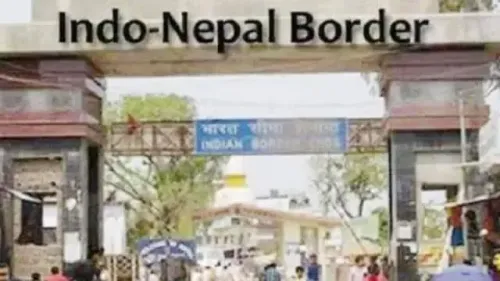
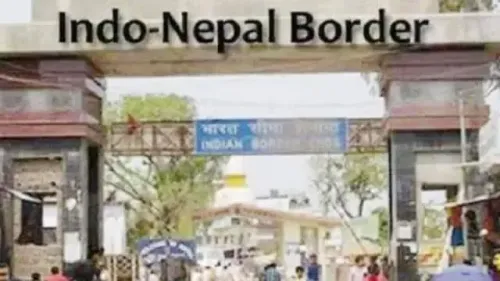
India accounted for the largest share of same-day outbound trips by Nepali residents, underscoring the depth of economic and social ties between the two neighbours. Nepal and India share a porous open border, with bilateral relations historically described in terms of 'roti-beti' — reflecting close cultural, familial, and commercial bonds.
Nepali residents in border regions frequently travel to Indian towns to purchase essential goods at comparatively lower prices. Among Nepal's seven provinces, Madhesh Province recorded the highest share of same-day outbound travel, while Lumbini Province accounted for the greatest number of overnight outbound trips — both provinces sharing extensive borders with India.
The Customs Duty Controversy
The scale of cross-border shopping has not been without political friction. When the government led by Prime Minister Balendra Shah moved to enforce a rule requiring customs duty on goods brought from India valued above NPR 100, it triggered strong protests from border-region residents as well as Indian traders. Following the intervention of Nepal's Supreme Court, the enforcement of that rule has since been halted, highlighting the sensitivity of cross-border commerce to both communities.
Overnight Trips: Health, Family, and Faith
Overnight outbound travel told a different story. Visits to friends and relatives accounted for 40.3% of overnight trips, followed by health and medical treatment at 19.6% and religious purposes at 19.6%. This suggests that while same-day travel is economically driven, longer trips are shaped more by social and personal needs.
Seasonal Patterns and What Comes Next
Outbound travel was most concentrated in the November–January window, which accounted for 50.2% of same-day trips and 32.7% of overnight trips. The NSO attributed this seasonal spike to festivals and favourable travel conditions during winter months.
The findings will likely inform bilateral trade and border-management discussions between Nepal and India, particularly as Kathmandu navigates the balance between protecting domestic revenue and preserving the open-border commerce that millions of Nepali households depend on.
Point of View
In large part, a symptom of price arbitrage — not wanderlust. The attempt to impose a NPR 100 customs threshold was economically logical but politically tone-deaf, and the Supreme Court's intervention only deferred the reckoning. What the data really demands is a serious look at why essential goods remain cheaper across the border — a question about Nepal's own tax structure, supply chains, and import duties that no border crackdown can answer.
NationPress
2 Oct 2026
Frequently Asked Questions
What does Nepal's Domestic Tourism Survey 2025 reveal about outbound travel?
The survey by Nepal's National Statistics Office found that Nepali residents made over 4.1 million outbound trips between October 2024 and October 2025. Shopping was the dominant purpose, accounting for 63.9% of all same-day outbound trips, with India being the top destination.
Why do Nepalis travel to Indian border towns for shopping?
Nepali residents in border regions travel to Indian towns primarily because essential goods are available at comparatively lower prices there. The open Nepal-India border makes such trips easy and frequent, particularly from Madhesh and Lumbini provinces.
What was the NPR 100 customs duty rule and why was it halted?
The government led by Prime Minister Balendra Shah moved to enforce a rule requiring customs duty on goods brought from India worth more than NPR 100. It triggered strong protests from border residents and Indian traders, and was subsequently halted following intervention by Nepal's Supreme Court.
Which provinces in Nepal record the most outbound travel?
Madhesh Province recorded the largest share of same-day outbound travel, while Lumbini Province accounted for the highest number of overnight outbound trips. Both provinces share extensive borders with India, which the NSO identified as the key factor behind their high outbound travel volumes.
What are the main reasons Nepalis take overnight trips abroad?
Overnight outbound trips were primarily driven by visits to friends and relatives, accounting for 40.3% of such trips, followed by health and medical treatment (19.6%) and religious purposes (19.6%), according to the Domestic Tourism Survey 2025.