India-Nepal Customs Row: MEA Says Engagement Ongoing Over NPR 100 Duty Rule
Synopsis
India's MEA has confirmed active diplomatic engagement with Nepal after Kathmandu began strictly enforcing a long-dormant customs duty rule on goods above NPR 100 brought from Indian markets. The crackdown, aimed at curbing smuggling, has sparked backlash from border residents and civil society groups who say it disproportionately harms low-income households.
Key Takeaways
India's MEA confirmed on April 23 that New Delhi is actively engaged with Kathmandu over enforcement of Nepal's NPR 100 customs duty rule on goods brought from India.
MEA Spokesperson Randhir Jaiswal stated that Nepal's government enforced the rule primarily to curb informal trade and smuggling , not as a revenue measure.
The NPR 100 threshold — equivalent to roughly INR 63 — has been on Nepal's books for years but was not enforced until Nepal's newly-elected government activated it recently.
The Nepal-India Open Border Interaction Group has demanded immediate repeal of the provision, calling it impractical and harmful to low-income border households.
Nepal's Customs Director Kishor Bartaula confirmed the enforcement targets organised smuggling networks that use ordinary residents as carriers, not individual household purchases.
Civil society has proposed zero duty on household goods and 48-hour duty-free allowances for religious and cultural cross-border visits as practical alternatives.
New Delhi, April 23: India's Ministry of External Affairs (MEA) confirmed on Thursday, April 23, that New Delhi is actively engaged with Kathmandu over Nepal's enforcement of customs duty on goods valued above NPR 100 carried by cross-border travellers from Indian markets. The development has triggered significant concern among residents of Nepal's border regions who have historically relied on nearby Indian towns for affordable daily essentials.
What the MEA Said
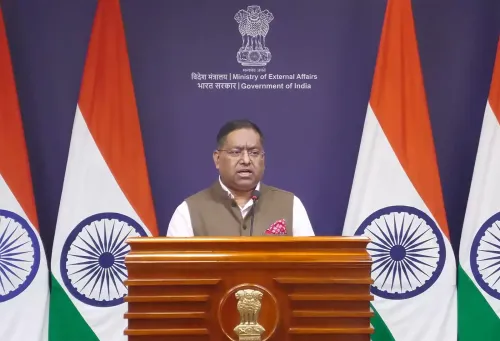
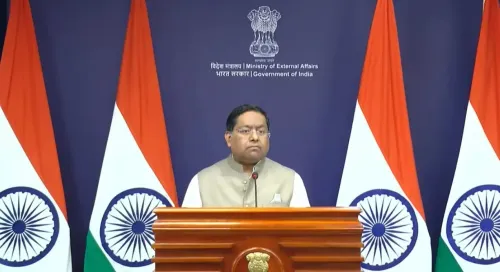
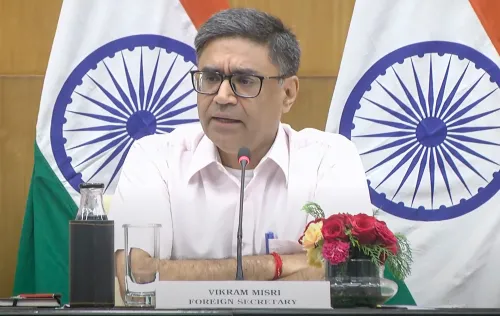
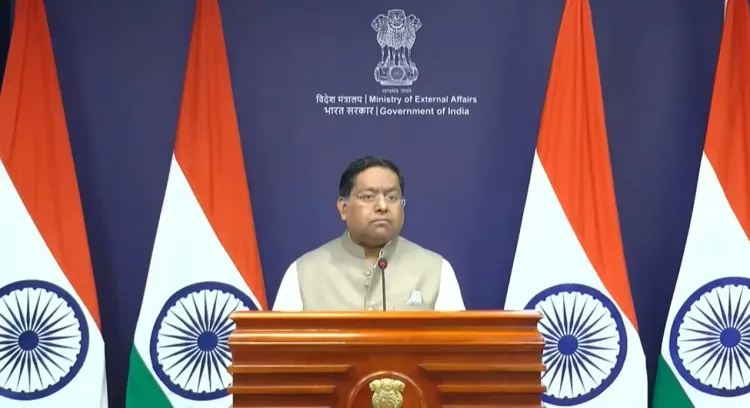
MEA Spokesperson Randhir Jaiswal, addressing the weekly media briefing in New Delhi, acknowledged that India had taken note of the enforcement drive. He stated, "We've also seen some reports about enforcement by Nepali authorities of a pre-existing provision that outlines collection of customs duty from cross-border travellers in case they carry items purchased in India which have a value of over 100 Nepali rupees."
Jaiswal noted that New Delhi understands Nepal's government introduced this enforcement measure primarily to curb informal trade and smuggling. He also referenced a statement by a senior Nepali official clarifying that civilians carrying personal or household goods would not be obstructed, adding that India "remains engaged on these developments."
Background: A Dormant Rule Now Strictly Enforced
The NPR 100 customs threshold is not a new regulation — it had been on Nepal's books for several years but remained largely unenforced due to the practical challenges faced by residents of border communities. The newly-elected Nepali government's decision to actively implement the rule has now sparked a sharp backlash from local stakeholders and civil society groups.
Nepal's Department of Customs Director Kishor Bartaula explained the rationale to IANS: "Smugglers use ordinary people to bring goods from Indian markets in small quantities multiple times a day without paying duty, and then collect them in large volumes for sale." He acknowledged that the NPR 100 threshold itself contributes little to government revenue but serves as a tool to disrupt organised smuggling networks.
Impact on Border Communities
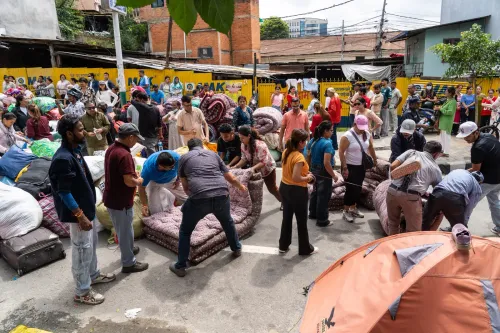
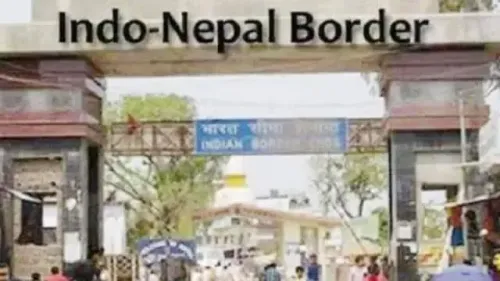
The enforcement has disproportionately hit low-income households in Nepal's border towns, where Indian markets in towns like Raxaul, Nautanwa, Rupaidiha, and others have long been the primary source of affordable goods ranging from groceries to medicines. For many families, crossing the border for daily purchases is a centuries-old practice deeply embedded in the social and economic fabric of the region.
The Nepal-India Open Border Interaction Group, a prominent civil society organisation, issued an urgent statement on Saturday demanding the immediate repeal of the NPR 100 customs provision. The group argued the rule is both impractical to enforce uniformly and places undue financial burden on border-area residents, calling instead for zero customs duty on household-use goods.
Civil Society Demands and Proposed Alternatives
Beyond repealing the NPR 100 rule, the group put forward a broader set of demands. It called for the establishment of well-managed, affordable markets in Nepal's border areas to reduce dependence on Indian towns for essential commodities. This proposal, if implemented, could stimulate local commerce and reduce the trade imbalance at the grassroots level.
The group also proposed introducing special customs-free facilities for religious and cultural visits, allowing pilgrims and devotees traveling between border towns and major religious sites in both countries to carry goods duty-free for up to 48 hours. The initiative, proponents argue, would boost religious tourism and strengthen people-to-people ties between the two nations.
Broader India-Nepal Relations: Reading Between the Lines
This episode arrives against the backdrop of a historically complex India-Nepal relationship — one marked by deep cultural and economic interdependence on one hand, and periodic friction over trade, borders, and sovereignty on the other. The open border framework between the two countries, governed by the 1950 Treaty of Peace and Friendship, has long facilitated free movement of people and goods, making the sudden enforcement of a dormant duty provision particularly jarring for border communities.
Notably, Nepal's push to formalise cross-border trade also reflects a broader domestic political calculation — the new government in Kathmandu is under pressure to demonstrate fiscal discipline and reduce the country's widening trade deficit with India, which stood at over USD 8 billion in recent years. Critics, however, argue that targeting ordinary border residents rather than organised smuggling syndicates is a policy misfire that burdens the poor while leaving larger networks intact.
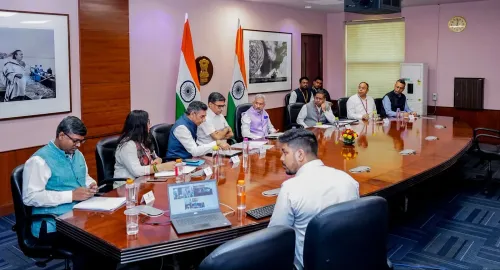
India's measured diplomatic response — engaging bilaterally rather than issuing public criticism — signals New Delhi's preference for quiet diplomacy over megaphone pressure, consistent with its broader Neighbourhood First policy. With both governments now engaged, the coming weeks will be critical in determining whether Nepal revises the enforcement threshold or introduces humanitarian exemptions for border residents.
Point of View
Never-implemented customs rule reveals a government caught between fiscal optics and ground-level reality — the NPR 100 threshold is so low it barely registers as revenue, yet its enforcement criminalises everyday survival for border communities. India's carefully worded diplomatic response — 'we remain engaged' — is a studied exercise in restraint, but the real question is whether New Delhi will push hard enough to protect the livelihoods of people whose daily lives straddle both nations. The irony is stark: a rule designed to curb organised smuggling is most visibly punishing the very people smugglers exploit as mules. Both governments must urgently distinguish between border trade formalisation and border community harassment.
NationPress
8 Oct 2026
Frequently Asked Questions
What is Nepal's NPR 100 customs duty rule for cross-border travellers?
Nepal has a provision requiring customs duty on goods purchased in India and brought across the border if their value exceeds NPR 100 (approximately INR 63). While the rule existed for years, Nepal's newly-elected government began strictly enforcing it recently to curb informal trade and smuggling.
What has India's MEA said about Nepal's customs duty enforcement?
MEA Spokesperson Randhir Jaiswal stated on April 23 that India is aware of the enforcement and 'remains engaged' with Nepal on these developments. He noted that a senior Nepali official had clarified that civilians carrying personal or household goods would not be obstructed.
Why is Nepal enforcing the NPR 100 customs duty rule now?
Nepal's Department of Customs Director Kishor Bartaula explained that smugglers were using ordinary people to carry small quantities of goods multiple times daily to avoid duty, aggregating them into large commercial volumes. The enforcement aims to disrupt this organised smuggling pattern.
How does the NPR 100 customs rule affect people living in Nepal's border areas?
Border residents, particularly low-income households, have long depended on nearby Indian markets for affordable daily essentials. The enforcement of the NPR 100 threshold effectively taxes routine household purchases, placing a disproportionate financial burden on the poorest communities in Nepal's border regions.
What are civil society groups demanding regarding Nepal's border customs policy?
The Nepal-India Open Border Interaction Group has demanded the immediate repeal of the NPR 100 customs provision and zero duty on household-use goods. The group also called for affordable border markets, and special 48-hour duty-free allowances for religious and cultural visits between the two countries.