Jaishankar meets Nepal FM Khanal, opens bilateral talks
Synopsis
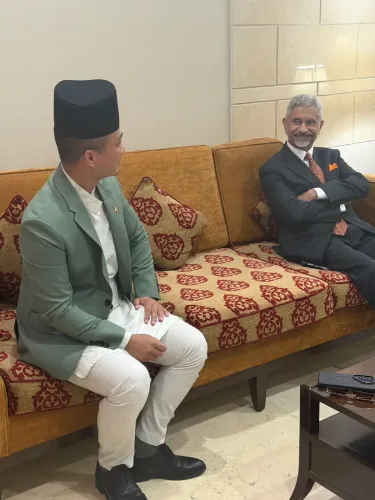
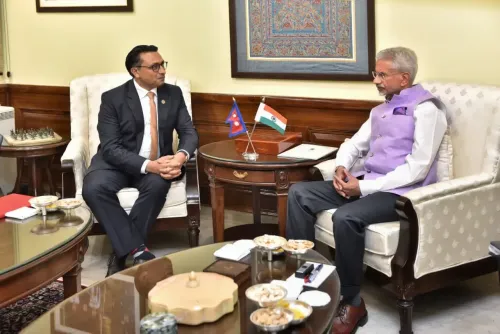
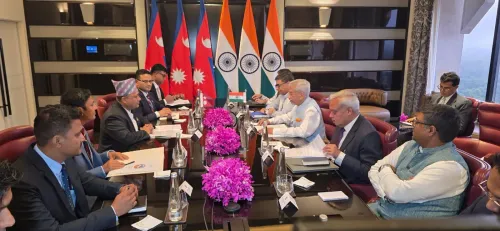
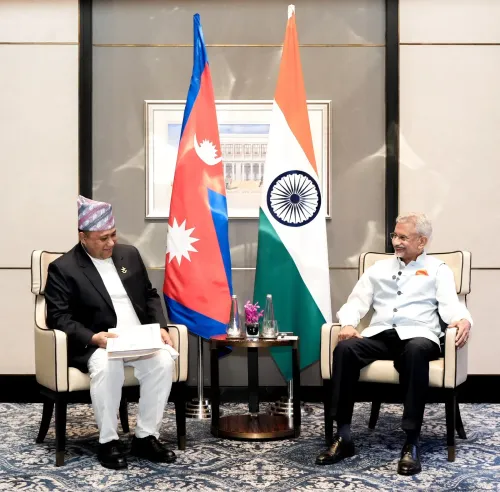
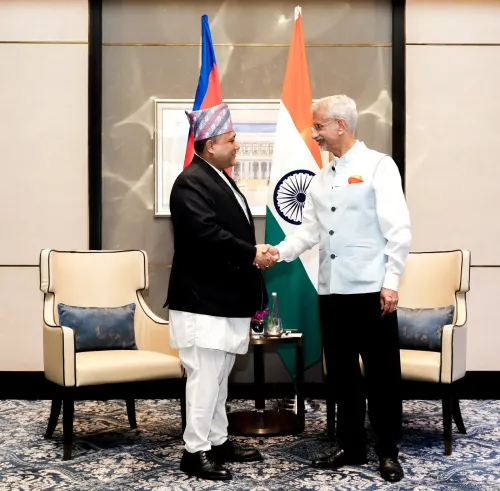
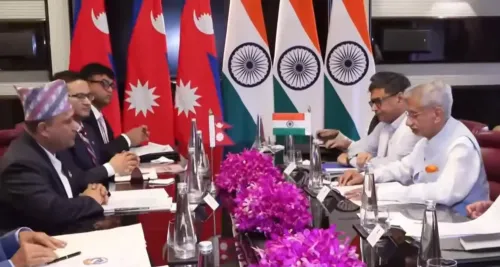
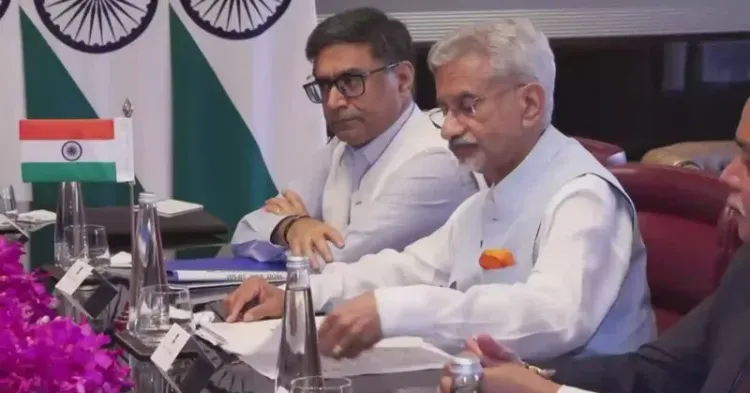
Union External Affairs Minister Dr. S. Jaishankar on June 6, 2026, delivered opening remarks at a bilateral meeting with Nepal's Foreign Minister Shisir Khanal, continuing India's high-level diplomatic engagement with its northern neighbour under the Neighbourhood First policy.
Key Takeaways
Jaishankar held a bilateral meeting with Nepal's Foreign Minister Shisir Khanal on June 6, 2026 .
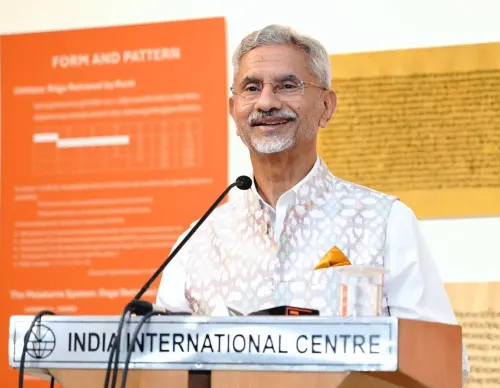
Jaishankar shared his opening remarks publicly on X , accompanied by a live broadcast link.
India and Nepal's ties are anchored by the 1950 Indo-Nepal Treaty of Peace and Friendship and a framework of connectivity and energy agreements.
The meeting falls under India's Neighbourhood First policy, which prioritises frequent high-level dialogue with immediate neighbours.
Key stakeholders include border traders , energy partners and communities dependent on cross-border infrastructure projects.
The next India-Nepal Joint Commission meeting and follow-up on hydropower and connectivity projects are the immediate items to watch.
Union External Affairs Minister Dr. S. Jaishankar on Saturday, June 6, 2026 delivered his opening remarks at a bilateral meeting with Nepal's Foreign Minister Shisir Khanal, signalling continued high-level diplomatic engagement between the two neighbouring countries under India's Neighbourhood First policy.
Context
Dr. Jaishankar shared his opening remarks from the meeting on X, accompanied by the national flags of India and Nepal — a customary signal of a formal bilateral exchange. The post linked to a live broadcast of the proceedings, underscoring the government's practice of real-time public diplomacy.
India and Nepal share one of the subcontinent's most layered relationships — an open border, deep cultural ties, and an extensive framework of bilateral agreements anchored by the 1950 Indo-Nepal Treaty of Peace and Friendship. High-level ministerial meetings are a regular feature of this relationship.
Policy Backdrop
New Delhi's engagement with Kathmandu has been deliberately elevated since 2014, when Prime Minister Narendra Modi chose Nepal as the destination for his first foreign visit after assuming office — a gesture widely read as a reset of ties after a period of diplomatic strain.
Subsequent years saw the 2018 India-Nepal Joint Commission meeting expand cooperation on cross-border rail, road and energy connectivity. Foreign Secretary-level talks in 2022 reviewed implementation of pending connectivity and water-resource agreements, building a technical foundation that ministerial meetings like Saturday's are designed to advance.
India's broader Neighbourhood First doctrine treats frequent, substantive dialogue with immediate neighbours as a strategic priority, and bilateral meetings with Nepal's foreign minister fit squarely within that framework.
Stakeholders and Impact
The talks carry direct implications for border traders and communities on both sides of the open frontier, for whom smooth bilateral relations translate into predictable transit and commerce arrangements. Energy partners tracking cross-border hydropower projects — a centrepiece of recent India-Nepal cooperation — will also watch for signals from the meeting.
Nepal's position as a landlocked country makes India its primary transit route and one of its largest trade and investment partners. Any progress on pending cross-border infrastructure projects — rail links, road corridors, and power transmission lines — would have tangible economic consequences for both sides.
What's Next
Attention will now turn to the outcome statement or joint communiqué from the meeting, and to whether the two ministers set a date for the next India-Nepal Joint Commission session. Progress on any pending hydropower development agreements or transit arrangements discussed in these talks would be the clearest measure of their practical impact.
India's consistent pattern of high-frequency political and technical dialogue with Nepal suggests that Saturday's meeting is one node in a longer diplomatic sequence — with follow-up at the Inter-Governmental Committee on Trade and sector-specific working groups likely to carry forward any decisions reached at the ministerial level.
Point of View
Which has consistently used ministerial-level contact to manage the complex open-border relationship with Nepal. The public broadcast of opening remarks signals New Delhi's comfort with transparent diplomacy on this front, in contrast to earlier periods when India-Nepal ties were managed more quietly. The meeting arrives against a backdrop of pending hydropower and connectivity agreements, suggesting the agenda is substantive rather than merely ceremonial. How quickly follow-up mechanisms — the Joint Commission, sector working groups — are activated will indicate whether this exchange produces durable deliverables.
NationPress
23 Oct 2026
Frequently Asked Questions
Why did Jaishankar meet Nepal's Foreign Minister Shisir Khanal?
Dr. Jaishankar met FM Shisir Khanal on June 6, 2026 for a formal bilateral meeting to advance India-Nepal diplomatic ties under New Delhi's Neighbourhood First policy, covering areas such as connectivity, trade and energy cooperation.
What is India's Neighbourhood First policy?
India's Neighbourhood First policy, prioritised since 2014, places relations with immediate neighbours — including Nepal — at the top of New Delhi's foreign policy agenda, emphasising frequent high-level dialogue and practical cooperation on infrastructure, trade and people-to-people ties.
What is the 1950 Indo-Nepal Treaty of Peace and Friendship?
The 1950 Indo-Nepal Treaty of Peace and Friendship is the foundational bilateral agreement between India and Nepal, providing for open borders, freedom of movement and close economic and security cooperation between the two countries.
What projects are central to India-Nepal bilateral talks?
Cross-border rail and road connectivity, hydropower development and power transmission lines are among the key projects that feature in India-Nepal ministerial and technical-level meetings.
Who is Nepal's Foreign Minister Shisir Khanal?
Shisir Khanal serves as Nepal's Foreign Minister and is the Nepali counterpart to India's External Affairs Minister Dr. S. Jaishankar in bilateral diplomatic exchanges.