Jaishankar hands over 72 health facilities, 12 heritage projects to Nepal
Synopsis
Nearly a decade after the 2015 earthquake, India has formally handed over 72 rebuilt health facilities and 12 restored cultural heritage sites to Nepal — while simultaneously launching a UPI-Nepal payments bridge and signing a digital language translation MoU. It is one of the most substantive single-day deliverable packages in recent India-Nepal diplomatic history.
Key Takeaways
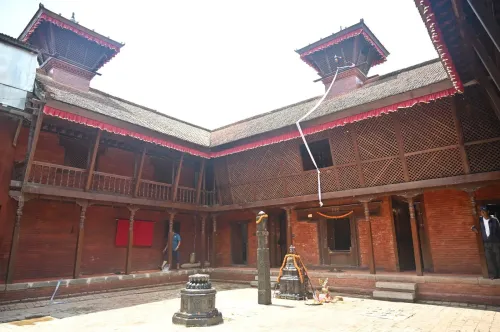
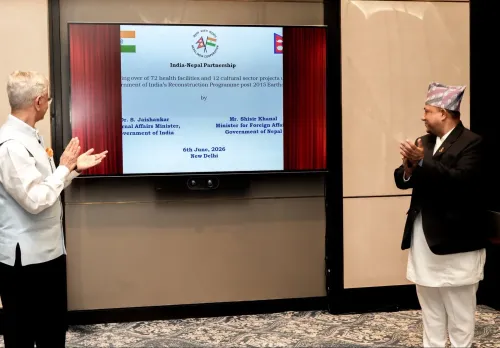
Jaishankar virtually handed over 72 health facilities and 12 cultural heritage projects to Nepal on 6 June under the post- 2015 earthquake Reconstruction Programme.
India and Nepal jointly launched cross-border payment linkage between UPI and Nepal's National Payments Interface to facilitate personal remittances.
An MoU was signed between Digital India Bhashini and Kathmandu University to build a 'Voice First' Language Translation platform for Nepal.
Discussions covered hydropower , connectivity , AI , startups , and renewable energy as emerging cooperation domains.
India confirmed uninterrupted fuel supplies to Nepal amid the ongoing West Asian crisis .
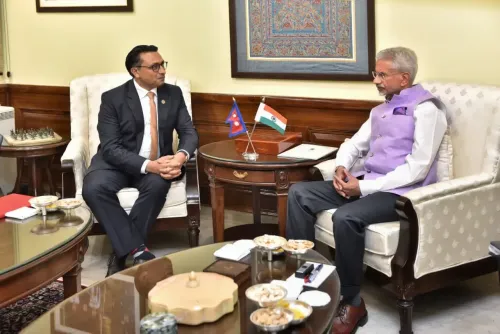
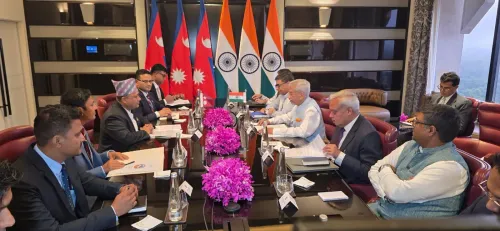
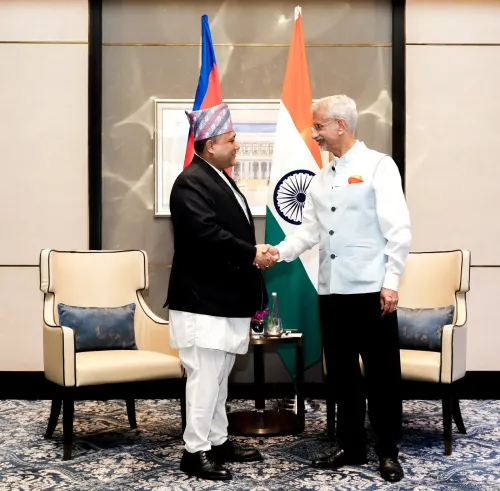
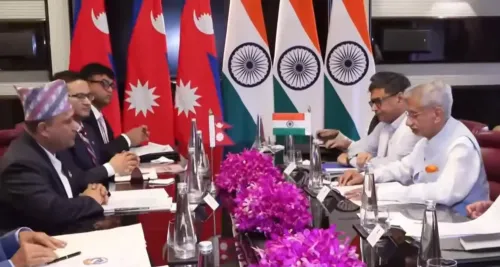
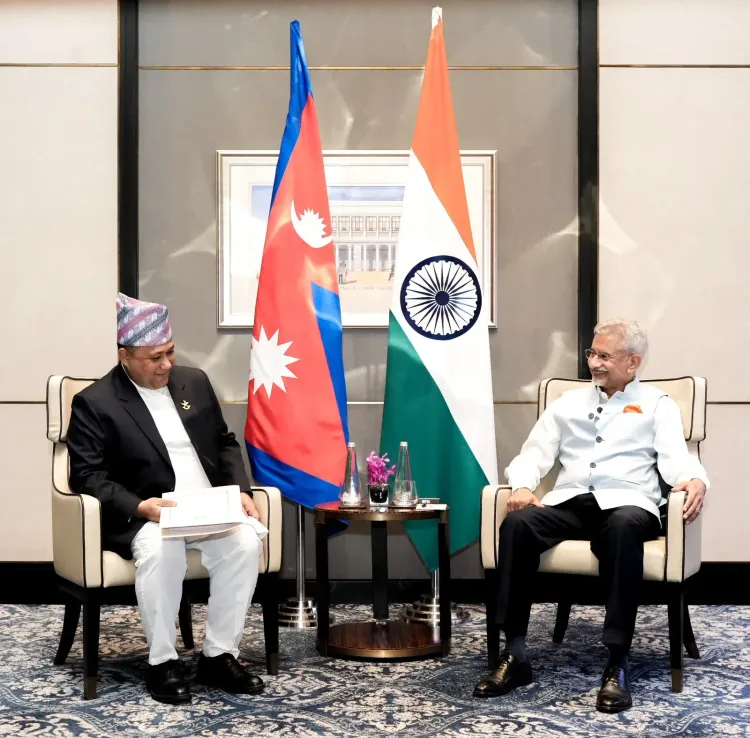
External Affairs Minister S. Jaishankar on Saturday, 6 June virtually handed over 72 health facilities and 12 cultural heritage projects to Nepal under India's Reconstruction Programme following the 2015 earthquake, capping a wide-ranging bilateral meeting with his Nepali counterpart Shisir Khanal in New Delhi. The handover marks a significant milestone in post-disaster reconstruction cooperation between the two neighbours, nearly a decade after the devastating quake.
Key Deliverables from the Meeting
Beyond the infrastructure handover, both ministers jointly launched the linkage between UPI (Unified Payments Interface) and Nepal's National Payments Interface, enabling cross-border personal remittances between the two countries. The move is expected to ease fund transfers for the large Nepali diaspora working in India.
The two sides also witnessed the exchange of a memorandum of understanding (MoU) between Digital India Bhashini and Kathmandu University to co-create a National Digital Infrastructure for a 'Voice First' Language Translation platform tailored for Nepal.
What Jaishankar Said
Jaishankar shared the outcomes directly on social media platform X, saying: 'Following up on the productive meeting with Nepal Foreign Minister Shisir Khanal, handed over virtually 72 health facilities and 12 cultural heritage projects under Reconstruction Programme post 2015 Earthquake.' He added that India 'reiterated its commitment to work with Nepal for mutual progress, prosperity and well-being of our people.'
In his opening remarks during the meeting, Jaishankar described the bilateral relationship as built on 'a strong foundation of vibrant people-to-people ties, cross-border connections, and shared cultural and religious traditions,' anchored by 'shared trust, goodwill, and mutual benefit.'
Broader Partnership Agenda
The two ministers held detailed discussions spanning development cooperation, connectivity, energy — particularly hydropower development — education, health, capacity building, digital infrastructure, culture, and sports. Jaishankar also flagged emerging domains such as startups, artificial intelligence, information technology, and renewable energy as areas where bilateral collaboration could be deepened.
Notably, Jaishankar highlighted that India has maintained uninterrupted fuel supplies to Nepal amid the ongoing crisis in the West Asian region, underscoring the strategic dimension of the energy partnership.
Security and Border Cooperation
Both sides also acknowledged close collaboration in maintaining security along their 'long and uniquely open border,' a reference to the 1,850-km India-Nepal border that allows free movement of people. This comes amid broader regional conversations about border management and cross-border connectivity infrastructure.
With the reconstruction handover now formalised and digital payment linkages activated, the India-Nepal partnership appears to be entering a new phase — one that blends legacy commitments with next-generation cooperation frameworks.
Point of View
A graveyard where many India-Nepal digital initiatives have stalled before.
NationPress
22 Sept 2026
Frequently Asked Questions
What did India hand over to Nepal on 6 June?
India handed over 72 health facilities and 12 cultural heritage projects to Nepal, completed under the bilateral Reconstruction Programme initiated after the devastating 2015 earthquake. The handover was conducted virtually by External Affairs Minister S. Jaishankar following his meeting with Nepali Foreign Minister Shisir Khanal.
What is the UPI-Nepal payments linkage launched during the meeting?
India and Nepal jointly launched a cross-border payment link connecting India's UPI (Unified Payments Interface) with Nepal's National Payments Interface, specifically to facilitate personal remittances between the two countries. This is expected to benefit the large Nepali workforce in India who regularly send money home.
What MoU was signed between Digital India Bhashini and Kathmandu University?
The two sides signed an MoU to co-create a National Digital Infrastructure for a 'Voice First' Language Translation platform for Nepal. The collaboration pairs India's Digital India Bhashini initiative with Kathmandu University's academic resources to develop the platform.
What other areas did Jaishankar and Khanal discuss?
The two ministers discussed a broad bilateral agenda including development cooperation, connectivity, hydropower development, education, health, capacity building, digital infrastructure, culture, and sports. Jaishankar also highlighted newer domains such as startups, artificial intelligence, IT, and renewable energy as areas for future collaboration.
Why did Jaishankar mention fuel supplies to Nepal?
Jaishankar highlighted that India has ensured uninterrupted fuel supplies to Nepal amid the ongoing crisis in the West Asian region, underscoring India's role as a reliable energy partner. This reference signals the strategic importance of energy security in the bilateral relationship.