Jaishankar Meets Nepal FM Khanal, Reviews Bilateral Ties
Synopsis
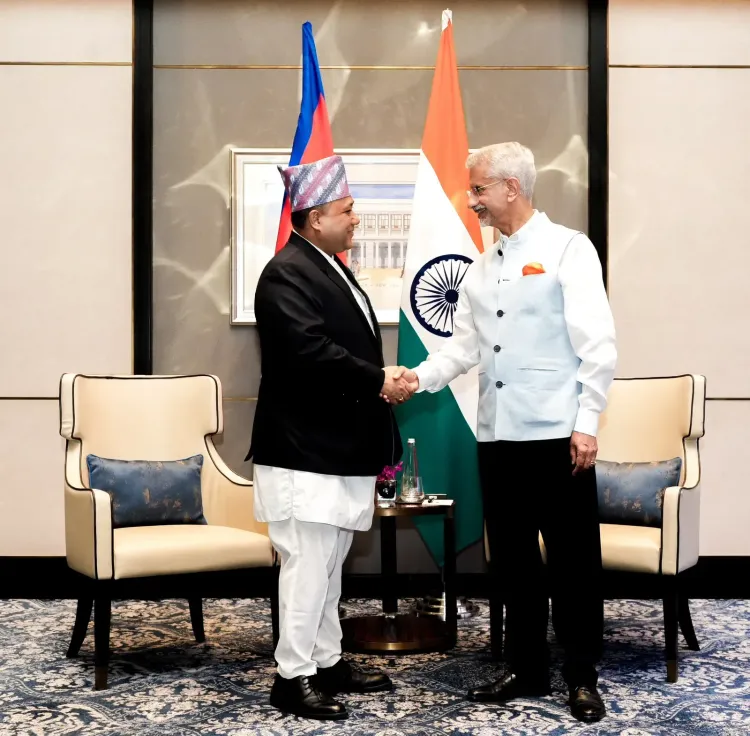
Union External Affairs Minister Dr. S. Jaishankar met Nepalese FM Shisir Khanal on 6 June 2026, holding wide-ranging talks on hydropower, connectivity, education and digital cooperation. India reiterated its commitment to mutual progress under the Neighbourhood First framework, reinforcing its priority engagement with its northern neighbour.
Key Takeaways
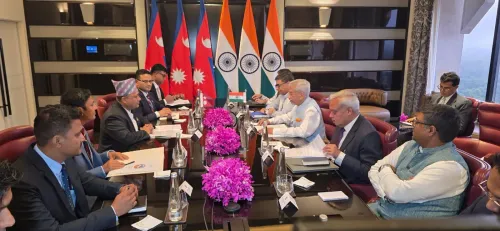
Jaishankar met Nepal FM Shisir Khanal and his delegation on 6 June 2026 in a detailed bilateral discussion.
Talks covered hydropower development, connectivity, education, health, digital infrastructure, culture and sports .
India reiterated its commitment to mutual progress, prosperity and well-being of both peoples.
The meeting was framed under India's Neighbourhood First foreign policy doctrine, which prioritises South Asian neighbours.
Energy cooperation — anchored by projects such as the 900 MW Arun-III hydropower project — remains a strategic pillar of India-Nepal ties.
Progress on cross-border transmission lines and the next India-Nepal Joint Commission session are the key near-term deliverables to watch.
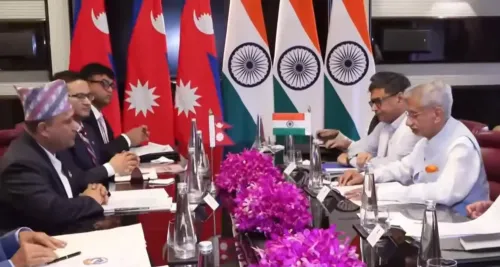
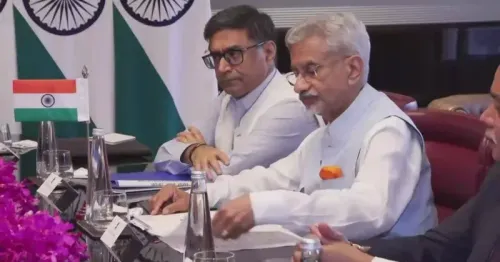
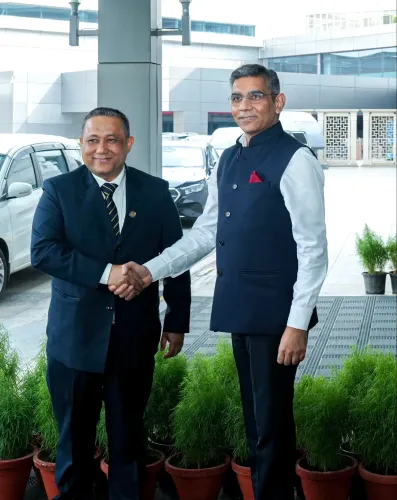
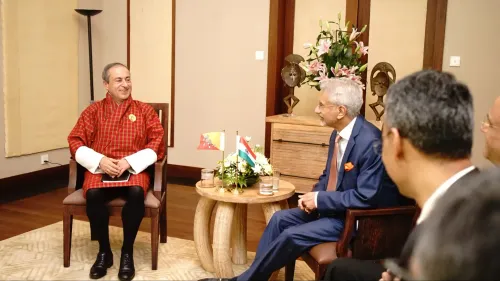
Union External Affairs Minister Dr. S. Jaishankar met Nepalese Foreign Minister Shisir Khanal and his delegation on Saturday, 6 June 2026, holding detailed discussions on the full breadth of the India-Nepal bilateral partnership, from hydropower and connectivity to education and culture.
Context
Dr. Jaishankar described the meeting as covering India and Nepal's 'unique partnership', with a wide-ranging agenda that included development cooperation, connectivity, energy — with particular emphasis on hydropower development — education, health, capacity building, digital infrastructure, culture and sports. He reiterated India's commitment to working with Nepal for the 'mutual progress, prosperity and well-being' of both peoples. The meeting was flagged under the hashtag #NeighbourhoodFirst, India's overarching foreign policy framework for engaging with South Asian neighbours.
Policy Backdrop
The India-Nepal Treaty of Peace and Friendship (1950) remains the foundational legal framework for bilateral ties, underpinning an open border and deep people-to-people linkages. High-level engagement received a fresh impetus when Prime Minister Narendra Modi visited Kathmandu in 2014, relaunching the Neighbourhood First doctrine as a structural priority of Indian foreign policy. Energy cooperation has since emerged as a centrepiece: the agreement for the 900 MW Arun-III hydropower project, concluded in 2014, is among the landmark initiatives that have shaped the energy dimension of the relationship. Periodic meetings of the India-Nepal Joint Commission have tracked progress on development, trade and connectivity projects across successive governments on both sides.
Hydropower holds particular strategic salience: Nepal's vast river systems offer surplus generation potential, while India's northern states represent a large and proximate power market. Cross-border transmission infrastructure has been progressively upgraded to facilitate energy trade, making hydropower a pillar that simultaneously serves economic and diplomatic interests.
Stakeholders and Impact
The most immediate beneficiaries of deeper India-Nepal cooperation are the millions of citizens in border communities on both sides, who depend on open trade, labour mobility and shared infrastructure. Nepalese students, healthcare seekers and workers who rely on Indian institutions and the open-border regime have a direct stake in the stability of bilateral relations. Development cooperation projects — spanning roads, bridges, schools and hospitals — funded under Indian assistance programmes have a visible footprint across multiple Nepalese provinces.
The digital and capacity-building dimensions flagged in the meeting signal an expanding partnership beyond traditional infrastructure, reflecting a shared interest in skilling workforces and bridging connectivity gaps in an increasingly technology-driven regional economy.
What's Next
Observers will watch for the next scheduled session of the India-Nepal Joint Commission, which serves as the primary institutional mechanism for reviewing the bilateral agenda. Progress on cross-border transmission lines for hydropower export — a project that has seen incremental advances over several years — will be a key deliverable to track. The #NeighbourhoodFirst framing of the meeting signals that New Delhi intends to keep Kathmandu firmly within its priority diplomatic circle, particularly as regional competition for influence in South Asia remains a live strategic consideration.
Point of View
Digital infrastructure, health and culture in a single sitting — reflects a deliberate Indian effort to deepen the texture of the bilateral relationship beyond legacy infrastructure projects. Framing the talks under #NeighbourhoodFirst is a consistent signalling device that New Delhi uses to communicate strategic prioritisation of its immediate periphery. The explicit mention of hydropower is particularly significant: energy trade is the one domain where economic interdependence between India and Nepal has the most measurable near-term upside. The calibrated, comprehensive agenda also suggests India is attentive to managing its relationship with Kathmandu proactively, given the competitive regional environment in South Asia.
NationPress
21 Oct 2026
Frequently Asked Questions
Why did Jaishankar meet Nepal FM Shisir Khanal?
EAM Dr. S. Jaishankar met Nepal FM Shisir Khanal on 6 June 2026 to hold detailed bilateral discussions covering hydropower, connectivity, education, health, digital cooperation and culture, reiterating India's commitment to mutual progress under the Neighbourhood First framework.
What is India's Neighbourhood First policy?
Neighbourhood First is India's foreign policy framework that prioritises diplomatic, developmental and connectivity engagement with South Asian neighbours, including Nepal, Bangladesh, Sri Lanka and others. It was relaunched as a structural doctrine after 2014.
What is the status of India-Nepal hydropower cooperation?
Hydropower is a central pillar of India-Nepal ties. The 900 MW Arun-III project agreement was a landmark concluded in 2014, and cross-border transmission infrastructure has been progressively developed to enable Nepal to export surplus power to India.
What is the India-Nepal Joint Commission?
The India-Nepal Joint Commission is the primary bilateral institutional mechanism that periodically reviews progress on development cooperation, trade, connectivity and other agenda items between the two countries.
What does the India-Nepal Treaty of Peace and Friendship cover?
The India-Nepal Treaty of Peace and Friendship, signed in 1950, establishes the foundational legal and diplomatic framework for bilateral ties, including provisions for an open border and extensive people-to-people movement between the two countries.