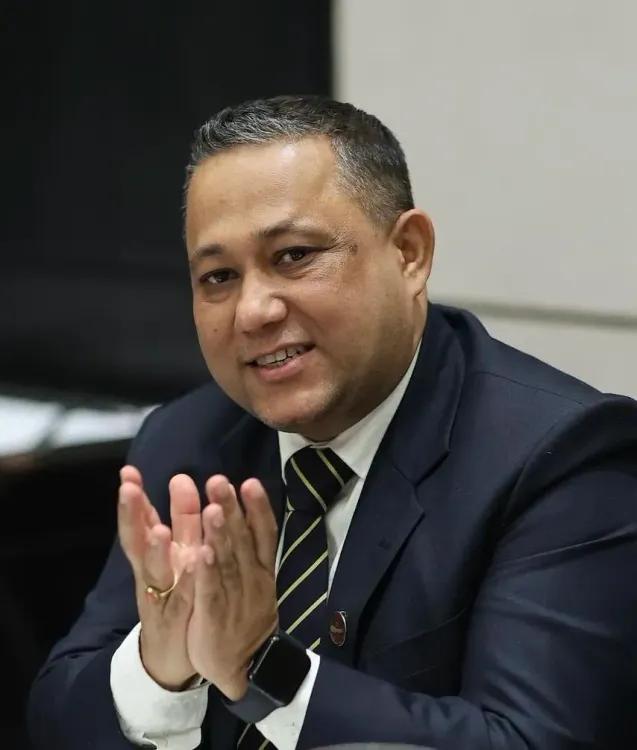
Nepal FM Shisir Khanal hails India ties, flags scope for deeper energy and connectivity deals
Synopsis
Nepal FM Shisir Khanal arrived in New Delhi calling ties ‘wonderful’ — but the visit was shadowed by Nepal PM Balendra Shah’s striking admission that Nepal, too, has encroached on Indian land. With 72 health facilities handed over and a digital MoU signed, the two sides are building momentum, even as the unresolved Kalapani-Lipulek-Limpiyadhura triangle remains the elephant in the room.
Key Takeaways
Nepal Foreign Minister Shisir Khanal is on a three-day visit to New Delhi , his first since assuming office.
Khanal described India-Nepal ties as a ‘wonderful relationship’ and flagged untapped scope in connectivity , energy , and tourism .
Jaishankar handed over 72 health facilities and 12 cultural heritage projects under India’s post-2015 earthquake Reconstruction programme.
An MoU was signed between Digital India Bhashini and Kathmandu University for a ‘Voice First’ Language Translation platform.
Nepal PM Balendra Shah had said Nepal has also encroached on Indian land; the Nepali government later clarified the remarks related to cross-border occupation in river boundary zones.
No date has been fixed for a PM-level visit by Shah to India, though Khanal said he expects high-level visits ‘over the next several months.’
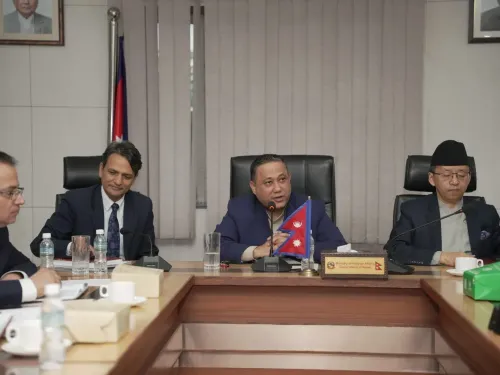
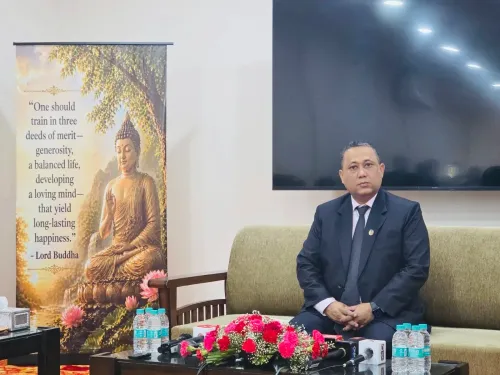
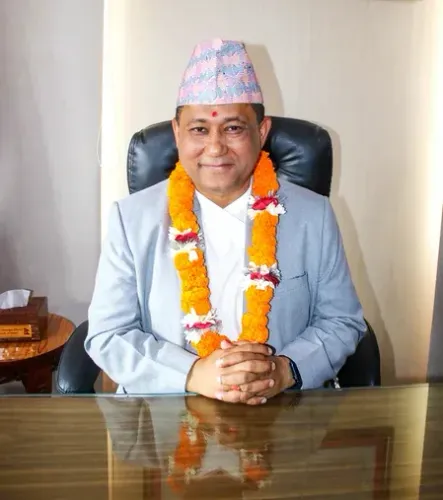
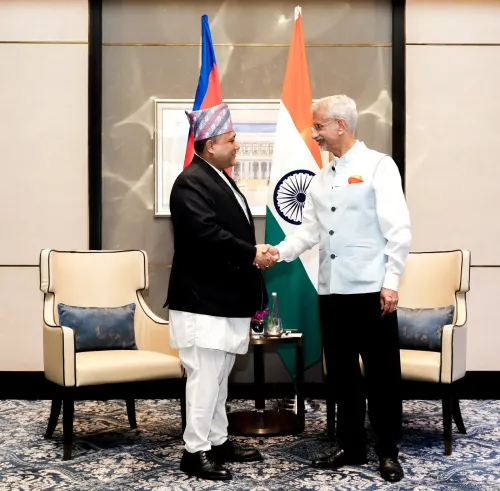
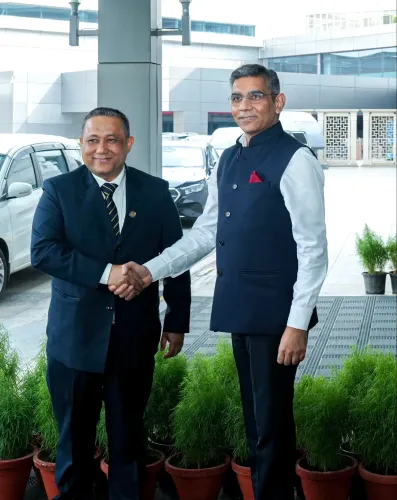
Nepal Foreign Minister Shisir Khanal on Sunday, 7 June described bilateral ties with India as a “wonderful relationship” while underscoring that the two neighbours have significant untapped potential in connectivity, tourism, and the energy sector. Khanal made the remarks in New Delhi during his three-day official visit — his first to India since assuming office earlier this year.
Khanal’s Assessment of India-Nepal Ties
Speaking to reporters, the Nepalese minister described the relationship as “historical” and “multi-dimensional”, pointing to shared river systems, energy linkages, family connections, and tourism flows. “We’ve always had wonderful relationships with India. But we do see more opportunity for us to engage,” Khanal said. “We want to build whatever we have historically — we want to work to build our relationship in terms of better cooperation in connectivity, in the energy sector, in trade and tourism.”
Khanal also expressed confidence that high-level visits would follow. “I do expect the highest-level visits on both sides because through my visit, it has started. So, we expect this to continue over the next several months,” he said, when asked about a potential visit by Nepal Prime Minister Balendra Shah to India. No specific date has been fixed, he added.
Jaishankar Hands Over Projects, MoU Signed
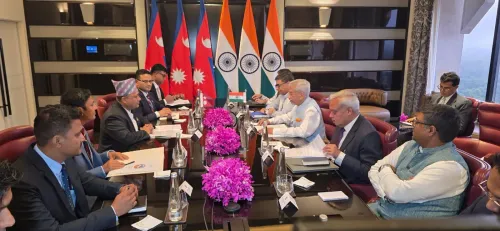
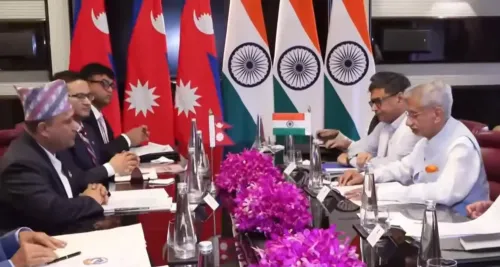
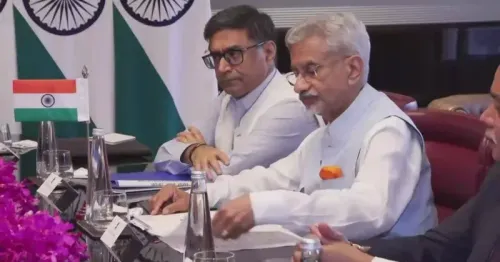
On the sidelines of the visit, External Affairs Minister S. Jaishankar on Saturday formally handed over 72 health facilities and 12 cultural heritage projects to Nepal under India’s post-2015 earthquake Reconstruction programme. The handover followed a bilateral meeting between Jaishankar and Khanal.
Both ministers also witnessed the signing of a memorandum of understanding (MoU) between Digital India Bhashini and Kathmandu University for co-creating a National Digital Infrastructure for a ‘Voice First’ Language Translation platform for Nepal. The agreement signals a deepening of India’s digital cooperation with its northern neighbour.
Border Remarks by Nepal PM Stir Diplomatic Moment
The visit comes amid a diplomatic footnote over recent remarks by Prime Minister Balendra Shah on the India-Nepal boundary. Shah had stated in parliament that “not only has India encroached on Nepal’s land, but Nepal has also encroached on India’s land in multiple places,” adding that “both sides should sit down and look into the matter.”
Shah’s comments came in response to questions from local lawmakers about India’s alleged encroachment over the disputed regions of Limpiyadhura, Lipulek, and Kalapani — areas both countries claim but which have been under effective Indian control for decades. Shah also reportedly said Nepal had engaged in diplomatic discussions with China and the United Kingdom on the border dispute.
When asked about the remarks during his New Delhi visit, Khanal said his ministry had already issued a clarification. “The Prime Minister was responding to a question on what is called a cross-border occupation. So, we’ve made that clarification already,” he said.
Nepal’s Official Clarification on the Border Issue
A subsequent statement from the Nepali government explained that Shah’s remarks were connected to technical studies in border areas where citizens of one country have been using or occupying land that technically falls within the other’s territory. Nepal’s Foreign Ministry noted that the “Fixed Boundary Principle” adopted in river boundary zones has led to situations where Nepali citizens cultivate or reside on land technically on the Indian side, and vice versa.
“The matter mentioned by the Prime Minister in Parliament was primarily related to encroachment in the no-man’s land area and cross-border occupation,” the government statement said. The clarification appeared aimed at preventing the remarks from overshadowing the broader diplomatic momentum of Khanal’s visit.
What Comes Next
With 72 infrastructure projects delivered and a digital cooperation MoU signed, the visit has added tangible deliverables to a relationship that both sides describe as foundational. The focus now shifts to whether the high-level visit cadence Khanal expects — including a potential PM-level trip — will translate into concrete progress on the larger connectivity and energy agenda that both nations acknowledge remains underexploited.
Point of View
An MoU signed, warm words exchanged — but the Balendra Shah border remarks linger as an unresolved variable. Shah’s admission that Nepal has also encroached on Indian land is unusual candour from a Nepali leader and, read carefully, is as much a pressure valve for domestic politics as it is a diplomatic signal. The Kalapani-Lipulek-Limpiyadhura dispute has never been formally resolved, and each Nepali government manages it differently. What is notable here is that Kathmandu chose clarification over escalation — a sign that the current government values the economic deliverables of the India relationship more than the political dividends of boundary nationalism.
NationPress
15 Sept 2026
Frequently Asked Questions
Why did Nepal FM Shisir Khanal visit India?
Khanal visited New Delhi on a three-day official trip — his first since taking office — to strengthen bilateral ties and engage with External Affairs Minister S. Jaishankar. The visit resulted in the handover of 72 health facilities, 12 heritage projects, and a digital cooperation MoU between Digital India Bhashini and Kathmandu University.
What did Nepal FM Khanal say about India-Nepal relations?
Khanal described the relationship as ‘wonderful’ and ‘historical’, noting it spans tourism, river systems, energy, and family connections. He said both sides have more opportunities to deepen cooperation in connectivity, the energy sector, and trade.
What were Nepal PM Balendra Shah’s remarks on the India-Nepal border?
Shah said in parliament that Nepal has encroached on Indian land in multiple places, even as India has allegedly encroached on Nepali territory. He did not specify locations, and the Nepali government later clarified the remarks referred to cross-border occupation in river boundary zones, not a formal territorial dispute.
What are the disputed areas between India and Nepal?
The disputed regions include Limpiyadhura, Lipulek, and Kalapani — areas both countries claim sovereignty over. The region has been under effective Indian control for decades and remains a recurring point of tension in bilateral ties.
Is a Nepal PM visit to India planned?
No specific date has been fixed for a visit by Nepal PM Balendra Shah to India. Khanal said he expects high-level visits on both sides to follow over the next several months, describing his own trip as the start of that engagement.