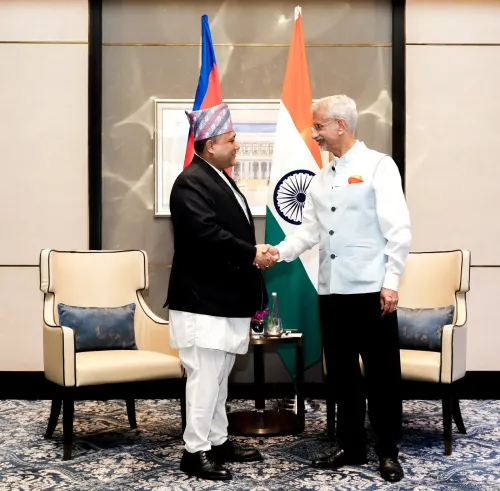
Nepal FM Shishir Khanal flags energy, investment and digital ties with India
Synopsis
Nepal's electricity export earnings to India and Bangladesh surged nearly 68 per cent to a record NPR 29.32 billion in FY2025-26, even as Foreign Minister Shishir Khanal pushed for deeper energy, digital and investment ties at the Nepal-India Chamber of Commerce. With China's FDI share in Nepal quietly climbing and a live UPI-NPI payments bridge now operational, the bilateral relationship is being reshaped by economics as much as diplomacy.
Key Takeaways
Nepal FM Shishir Khanal named energy, investment, digital payments and tourism as core priorities for Nepal-India economic cooperation on 16 October 2026 .
Nepal earned a record NPR 29.32 billion from electricity exports to India and Bangladesh in FY2025-26 , up 67.96 per cent from the previous year.
A real-time UPI-NPI cross-border remittance service connecting India and Nepal was launched in June 2026 .
India accounts for 32.8 per cent of Nepal's total FDI stock as of mid-July 2025, remaining the largest investor; China stands at 9.3 per cent and rising.
Multiple high-capacity cross-border transmission line projects between Nepal and India are advancing, enabling greater electricity trade.
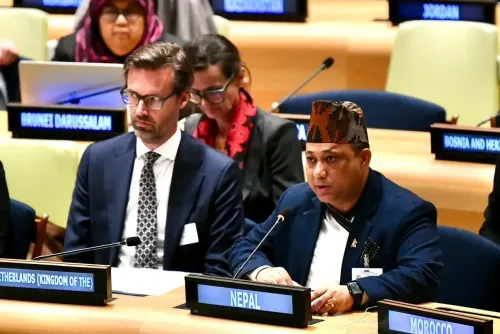
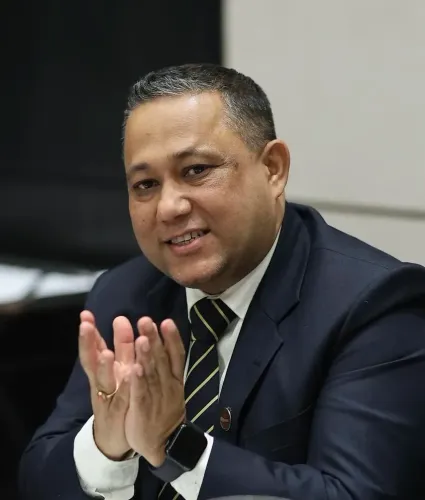
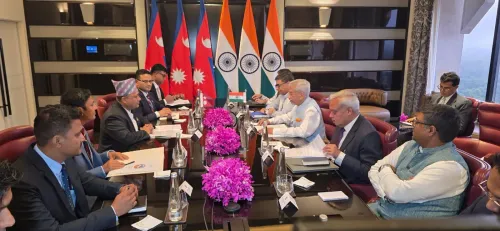
Nepal's Foreign Minister Shishir Khanal on 16 October 2026 outlined energy cooperation, trade facilitation, investment partnerships, digital transformation and tourism as the five core pillars of Nepal-India economic engagement, signalling Kathmandu's intent to deepen bilateral ties beyond traditional diplomatic channels.
Key Priorities Khanal Outlined
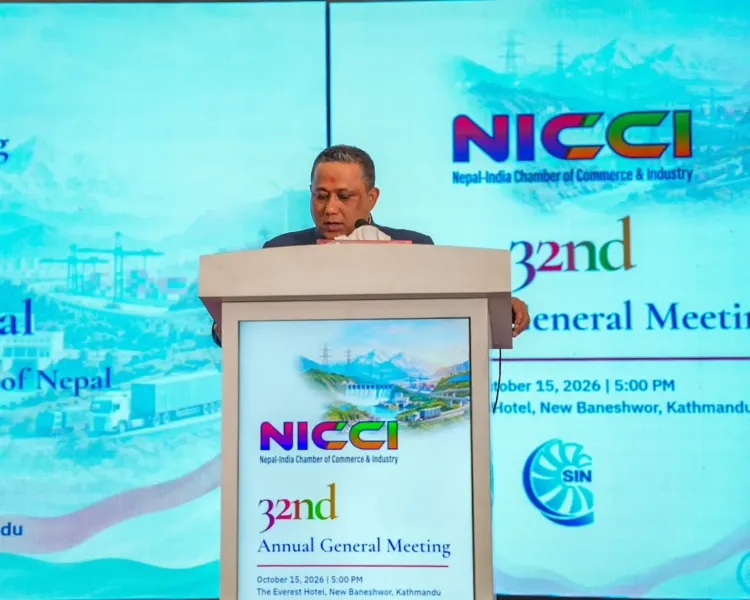
Addressing the 32nd annual general meeting of the Nepal-India Chamber of Commerce and Industry, Khanal said Nepal's considerable hydropower potential must be systematically linked to India's expanding energy market to drive further investment, strengthen transmission infrastructure and advance regional energy integration. He also called for expanded cooperation in digital payments, artificial intelligence and financial technology, arguing that such linkages would open the Indian market and its technological advances to Nepali youth and entrepreneurs.
'Diplomacy is no longer confined to the Ministry of Foreign Affairs, formal negotiations, and treaties and agreements. Industry, trade, energy and digital payment systems have also become important areas of economic diplomacy,' Khanal said.
Record Electricity Export Revenue for Nepal
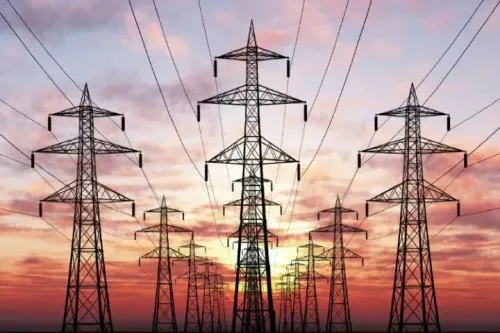
The energy dimension of the bilateral relationship has gathered considerable momentum. According to cross-border electricity import and export data released by the Nepal Electricity Authority (NEA), Nepal earned NPR 29.32 billion from electricity exports to India and Bangladesh in fiscal year 2025-26 that ended in mid-July — a 67.96 per cent jump from the NPR 17.46 billion earned in fiscal year 2024-25. This marks the highest annual export revenue the NEA has ever recorded. Nepal routes some of its power to Bangladesh through India's transmission grid, underlining the regional dimension of the energy corridor.
Several high-capacity cross-border transmission line projects between the two countries have advanced, expanding the volume of electricity that can be traded in the future. India is simultaneously scaling up its direct investment in Nepal's hydropower sector, with multiple major projects backed by Indian capital currently under implementation.
Digital Payments Bridge: UPI Meets Nepal's NPI
On the digital front, Nepal and India officially launched a real-time, peer-to-peer cross-border remittance service in June 2026. The service connects India's Unified Payments Interface (UPI), managed by NPCI International Payments Limited (NIPL), with Nepal's National Payments Interface (NPI). Fund transfers are executed digitally in real time through mobile banking applications and digital wallets — a development that could significantly ease remittance flows between the two countries, given Nepal's large migrant workforce in India.
India Leads Nepal's FDI, But China Gains Ground
India remains the dominant source of foreign direct investment in Nepal. According to the report titled Foreign Direct Investment (FDI) in Nepal 2024/25 released by Nepal Rastra Bank (NRB), India accounted for 32.8 per cent of Nepal's total FDI stock as of mid-July 2025. China followed at 9.3 per cent, with Ireland at 7.3 per cent, Australia at 6.5 per cent and Singapore at 5.4 per cent. Notably, Chinese investment has been rising in recent years, adding a competitive dimension to India's economic footprint in its northern neighbour.
Khanal emphasised the need to translate the latent potential of bilateral relations into tangible economic outcomes, calling on Indian businesses to increase investment in Nepal to boost domestic production, enable technology and knowledge transfer, and integrate Nepali enterprises into regional value chains. How quickly those calls convert into capital commitments will determine the pace of the broader economic partnership.
Point of View
Even if still far behind India's. The record electricity export figure is a genuine economic win for Kathmandu, but the structural question is whether Nepal can move from being a power exporter to a full participant in regional energy markets, with transmission infrastructure and pricing frameworks that attract sustained capital. The UPI-NPI remittance bridge is more consequential than it appears: it creates a digital financial dependency that, if it scales, will give India significant soft-power leverage over a remittance-reliant economy. New Delhi should watch whether Kathmandu's calls for Indian investment in manufacturing and value chains are matched by facilitation on the ground, or whether the gap between diplomatic warmth and actual capital deployment widens — as it has before.
NationPress
16 Oct 2026
Frequently Asked Questions
What are Nepal's key priorities for economic cooperation with India?
Nepal's Foreign Minister Shishir Khanal identified energy, trade facilitation, investment and industrial partnerships, digital transformation and tourism as the five core priorities for Nepal-India economic cooperation, speaking at the 32nd annual general meeting of the Nepal-India Chamber of Commerce and Industry on 16 October 2026.
How much did Nepal earn from electricity exports in FY2025-26?
Nepal earned NPR 29.32 billion from electricity exports to India and Bangladesh in fiscal year 2025-26, according to data released by the Nepal Electricity Authority. This represents a 67.96 per cent increase from NPR 17.46 billion in FY2024-25 and is the highest annual export revenue the NEA has ever recorded.
What is the UPI-NPI cross-border remittance service between India and Nepal?
It is a real-time, peer-to-peer remittance service launched in June 2026 that links India's Unified Payments Interface (UPI), managed by NPCI International Payments Limited, with Nepal's National Payments Interface (NPI). Transfers are executed digitally through mobile banking apps and digital wallets, easing cross-border money movement between the two countries.
How large is India's share of foreign direct investment in Nepal?
India accounts for 32.8 per cent of Nepal's total FDI stock as of mid-July 2025, making it the largest source of FDI in Nepal, according to Nepal Rastra Bank data. China is second at 9.3 per cent, with its share having grown in recent years.
Why does Nepal export electricity to Bangladesh through India?
Nepal routes electricity to Bangladesh through India's transmission grid because there is no direct transmission infrastructure between Nepal and Bangladesh. India serves as the transit country, and the arrangement also reflects the broader regional energy integration that Nepal and India are working to expand through new cross-border transmission line projects.