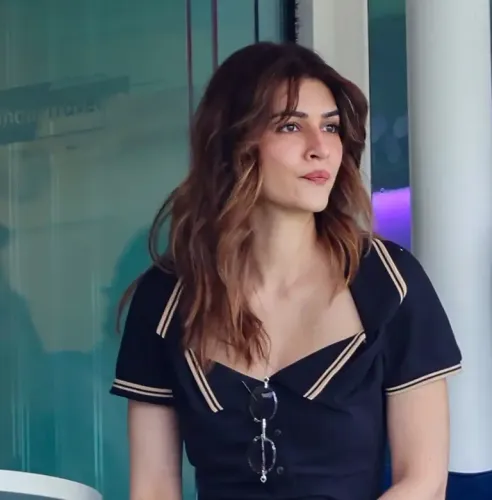
Kriti Sanon moves Delhi HC to protect personality rights against AI misuse
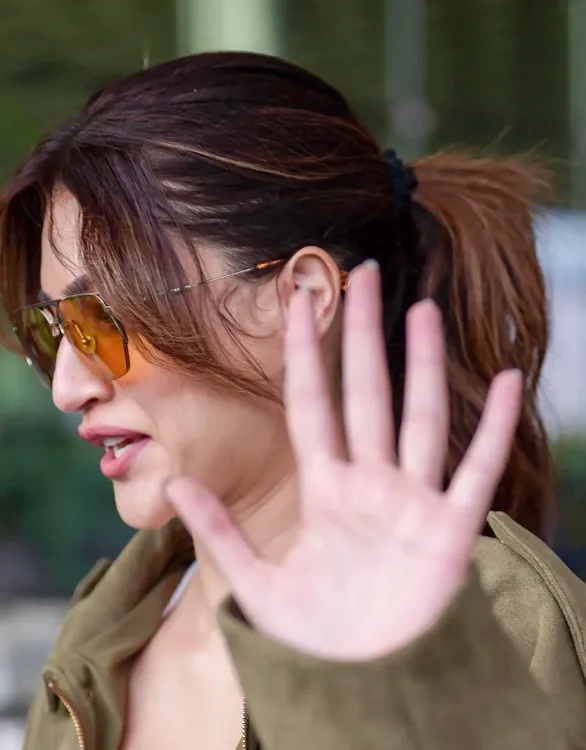
Synopsis
Kriti Sanon has moved the Delhi High Court over AI-generated impersonation and unauthorised use of her identity — joining a growing roster of celebrities doing the same. With no dedicated Indian law on personality rights, every petition is also a brick in an emerging legal wall against deepfakes.
Key Takeaways
Kriti Sanon filed a petition in the Delhi High Court on 16 October 2026 seeking protection of her personality and publicity rights.
The petition targets alleged unauthorised use of her name, image, likeness, and AI-generated imitations.
Justice Purushaindra Kumar Kaurav asked counsel to submit relevant judgments and research material; the next hearing is on 29 October 2026 .
At least 14 other public figures — including Gautam Gambhir , Aishwarya Rai Bachchan , and Shashi Tharoor — have recently sought or secured similar court protection.
Actress and BJP MP Kangana Ranaut has a parallel petition pending, targeting pornographic deepfakes; the court has issued summons and is examining an interim injunction application.
Bollywood actress Kriti Sanon has approached the Delhi High Court seeking protection of her personality and publicity rights against the alleged unauthorised use of her name, image, likeness, and other identity attributes — including through artificial intelligence (AI)-generated content and digital impersonation. The petition was heard on 16 October 2026 before a single-judge Bench of Justice Purushaindra Kumar Kaurav.
What the Court Directed
Justice Kaurav asked Sanon's counsel to place on record a compilation of relevant judgments, research papers, and other material relating to the legal questions surrounding personality rights. The High Court indicated it would pass a comprehensive order after examining the submitted material. The matter has been listed for further hearing on 29 October 2026.
A Growing Wave of Personality Rights Petitions
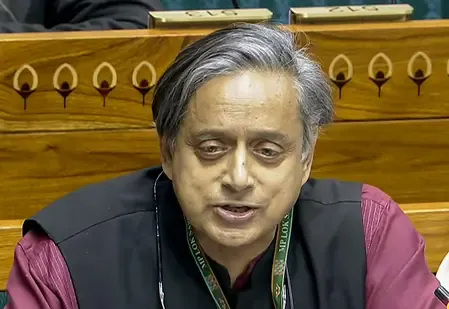
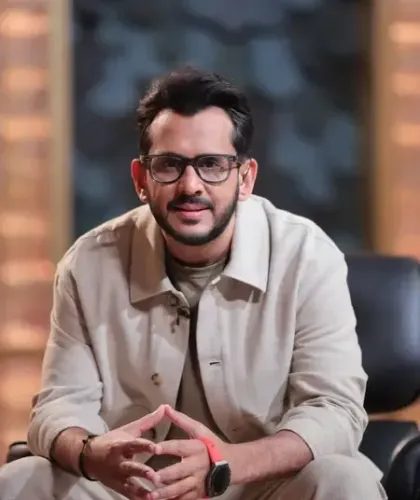
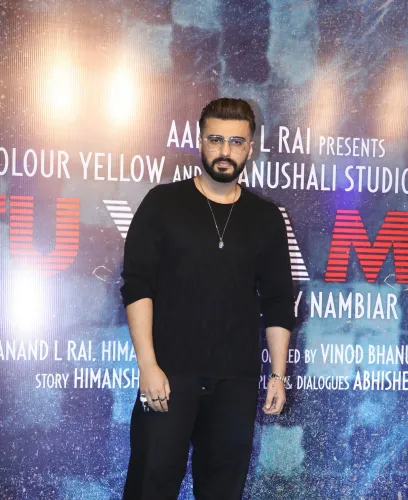
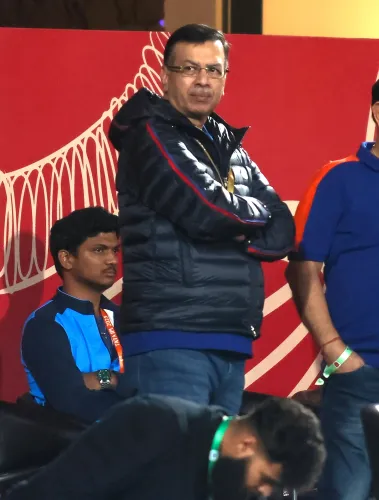
Sanon's petition adds to a rapidly expanding list of high-profile personalities who have invoked personality and publicity rights before the Delhi High Court. In recent months, former cricketer Gautam Gambhir, former India captain Sunil Gavaskar, spiritual leader Sri Sri Ravi Shankar, actors Arjun Kapoor, Allu Arjun, Nagarjuna, Varun Dhawan, Kajol, Aishwarya Rai Bachchan, and Abhishek Bachchan, singer Jubin Nautiyal, filmmaker Karan Johar, podcaster Raj Shamani, Congress MP Shashi Tharoor, and actor Naga Chaitanya have secured or sought court protection against unauthorised use of their identity, likeness, or AI-generated imitations.
The Kangana Ranaut Case: A Parallel Proceeding
The development comes close on the heels of a related matter involving actress and BJP MP Kangana Ranaut, in whose case the Delhi High Court recently issued summons on a suit seeking protection of her personality and publicity rights. Ranaut's petition specifically targets the alleged misuse of her identity through pornographic and obscene content circulated across digital platforms. A single-judge Bench of Justice Vikas Mahajan asked her counsel to identify the defendants against whom a takedown order was being sought and directed the filing of a revised memo of parties after certain defendants were removed from the proceedings.
Why This Matters: AI, Deepfakes, and the Law
The surge in petitions reflects a broader legal and societal concern over the unchecked proliferation of AI-generated deepfakes, fake endorsements, and unauthorised commercial exploitation of public figures' identities on digital platforms. India currently lacks a dedicated statutory framework for personality rights, making the Delhi High Court the primary arena for developing this body of law through judicial precedent. Critics argue that without legislative backing, court-by-court injunctions offer only partial relief and leave ordinary individuals — who lack the resources to litigate — wholly unprotected.
The next hearing in Sanon's case on 29 October 2026 is expected to produce legal guidelines that could influence how Indian courts approach AI-driven identity misuse more broadly.
Point of View
Case by case, a legal architecture for personality rights that Parliament has not provided. The Delhi High Court is now effectively the country's de facto regulator of AI-driven identity misuse — a role it was never designed to play at scale. The irony is that only celebrities with legal firepower can access this protection; the deepfake epidemic harms ordinary individuals too, and they have nowhere to go. Until a statutory framework arrives, every injunction is a patch, not a solution.
NationPress
16 Oct 2026
Frequently Asked Questions
Why has Kriti Sanon approached the Delhi High Court?
Kriti Sanon has petitioned the Delhi High Court seeking protection of her personality and publicity rights against the alleged unauthorised use of her name, image, and likeness, including through AI-generated content and digital impersonation. The case was first heard on 16 October 2026 before Justice Purushaindra Kumar Kaurav.
What did the Delhi High Court say in its first hearing?
The court asked Sanon's counsel to submit a compilation of relevant judgments and research papers on personality rights law. It indicated it would issue a comprehensive order after reviewing the material, and listed the matter for further hearing on 29 October 2026.
Which other celebrities have filed similar cases in the Delhi High Court?
A large number of public figures have recently sought or secured personality rights protection from the Delhi High Court, including Gautam Gambhir, Sunil Gavaskar, Sri Sri Ravi Shankar, Arjun Kapoor, Allu Arjun, Aishwarya Rai Bachchan, Abhishek Bachchan, Kajol, Varun Dhawan, Nagarjuna, Jubin Nautiyal, Karan Johar, Raj Shamani, Shashi Tharoor, and Naga Chaitanya.
What is the status of Kangana Ranaut's personality rights case?
The Delhi High Court has issued summons in Kangana Ranaut's suit, which targets the alleged misuse of her identity through pornographic and obscene content on digital platforms. Justice Vikas Mahajan has asked her counsel to identify defendants for a proposed takedown order and to file a revised memo of parties.
Does India have a law specifically protecting personality rights?
India does not currently have a dedicated statutory framework for personality rights. Courts, primarily the Delhi High Court, have been developing this area of law through judicial precedent, making each new petition an important building block for future legal protections against AI misuse and deepfakes.