Nepal unveils business recovery package for Bhote Koshi flood victims
Synopsis
With 1,259 dead and over 5,000 missing, Nepal's Cabinet has moved beyond rescue to economic triage — announcing customs waivers, a tax deadline extension to 11 November, loan restructuring, and 50% advance insurance payouts for Bhote Koshi flood-hit businesses. The package targets a critical trade corridor on the Nepal-China border, where the cost of inaction extends well beyond the disaster zone.
Key Takeaways
Nepal's Cabinet approved a business recovery package on 3 September for firms affected by the Bhote Koshi floods .
The Bhote Koshi floods have claimed 1,259 lives , with 5,083 people still unaccounted for, per the NDRRMA .
Flood-hit businesses may re-import destroyed vehicles, machinery, and equipment customs duty-free .
Tax return and payment deadlines extended from mid-October to 11 November ; destroyed assets may be written off as a one-time expense.
Nepal's central bank directed to enable loan restructuring and rescheduling for affected borrowers via Rasuwa Customs .
Insurers permitted to release up to 50% of claim value as advance payment based on preliminary damage assessments.
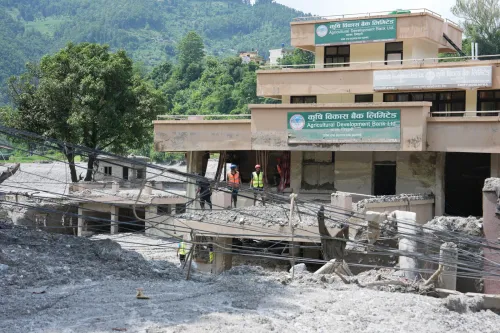
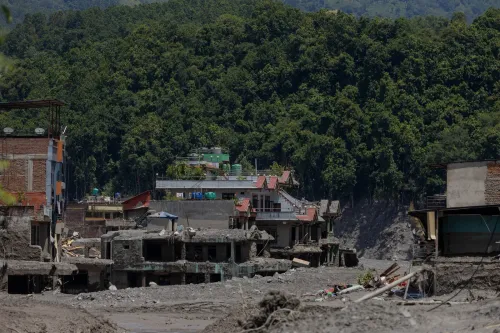
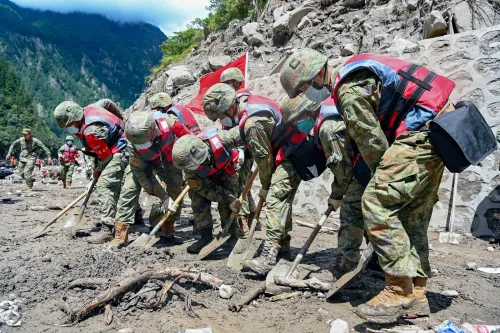
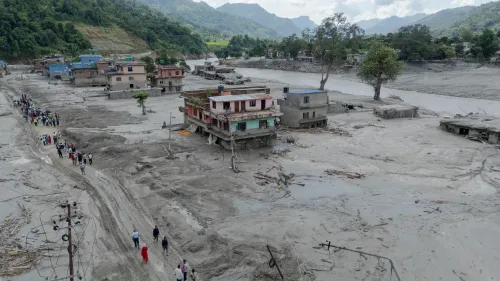
The Nepali government on Thursday, 3 September announced a comprehensive business recovery package for industries, traders, and commercial establishments hit by the catastrophic Bhote Koshi floods, covering customs duty exemptions, tax relief, loan restructuring, and expedited insurance claim settlements. The Cabinet decision comes as the death toll from last week's disaster climbed to 1,259, with 5,083 people still unaccounted for, according to the National Disaster Risk Reduction and Management Authority (NDRRMA).
Key Measures in the Recovery Package
Businesses whose commercial vehicles and transportation equipment were damaged beyond repair or swept away will be permitted to re-import equivalent vehicles and equipment customs duty-free, provided they cancel the registration of the lost or destroyed assets. Likewise, firms whose plants, machinery, instruments, and equipment were destroyed may import like-for-like replacements without paying customs duties.
Importers who had already paid customs duties on goods destroyed before reaching their destination will be allowed to adjust those paid duties against fresh imports of similar goods through any customs office, within a window of six months. The package also extends the deadline for filing tax returns and paying taxes from mid-October to 11 November, giving flood-affected taxpayers additional breathing room.
Loan Restructuring and Banking Support
Nepal's central bank has been directed to facilitate loan restructuring and rescheduling for affected businesses. According to the Finance Ministry statement, 'Borrowers whose imported goods through Rasuwa Customs were damaged will be able to seek loan restructuring or rescheduling and an extension of principal and interest repayment deadlines based on the nature of their business, extent of damage and insurance claims.'
Banks will additionally be permitted to extend fresh loans to businesses for recovery or employment protection, with disbursements made directly to the accounts of relevant third parties — a measure designed to ensure funds reach vendors and workers rather than being diverted.
Faster Insurance Settlements
Nepal's Insurance Authority, the sector regulator, has been instructed to simplify the claims process and accelerate compensation for flood-related losses. Surveyors may be deployed through a streamlined process to speed up damage assessments. Notably, insurers will be allowed to release advance claim payments of up to 50 percent of the assessed value based on preliminary damage reports — a provision that could significantly reduce the cash-flow crisis facing businesses in the affected region.
Scale of the Disaster
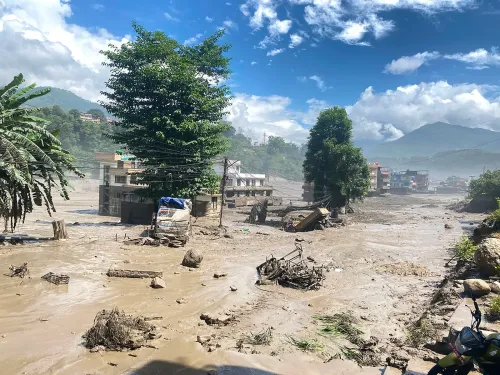
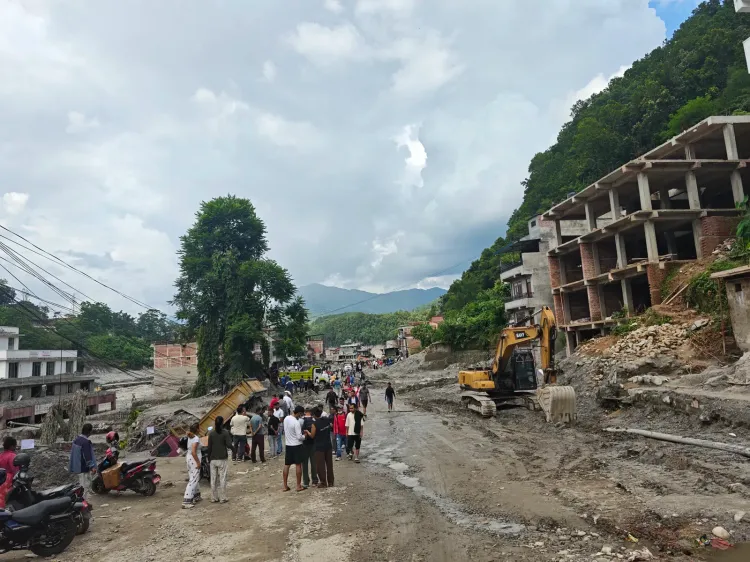
The Bhote Koshi floods, which struck the Nepal-China border area last week, have been among the deadliest natural disasters to hit Nepal in recent years. The NDRRMA confirmed 1,259 deaths as of Thursday evening, with over 5,000 people still out of contact. The floods devastated commercial routes through Rasuwa, a critical transit corridor for Nepal-China trade, compounding economic losses beyond direct physical damage.
What Comes Next
The government's package signals an intent to prioritise economic revival alongside humanitarian relief. Analysts note that the customs and tax concessions, if implemented swiftly, could help businesses restart operations before the onset of winter, which typically restricts access to the border region. The effectiveness of the loan restructuring provisions will depend on how quickly the central bank issues operational guidelines to commercial banks.
Point of View
Tax extensions, and advance insurance payouts address real liquidity bottlenecks. But the Rasuwa-Bhote Koshi corridor is not just a domestic trade route; it is Nepal's primary land gateway to China, and its disruption has bilateral economic consequences that a domestic relief package alone cannot resolve. The deeper question is speed of implementation: Nepal's past post-disaster relief frameworks have often been announced promptly but executed slowly, leaving businesses in a prolonged limbo. With winter approaching and the border region becoming increasingly inaccessible, the window for effective intervention is narrow.
NationPress
19 Oct 2026
Frequently Asked Questions
What is Nepal's Bhote Koshi flood business recovery package?
It is a Cabinet-approved relief package announced on 3 September, offering customs duty exemptions on re-imported vehicles and machinery, a tax deadline extension to 11 November, loan restructuring facilities, and advance insurance payouts of up to 50% for businesses affected by the Bhote Koshi floods.
How many people have died in the Bhote Koshi floods?
As of Thursday evening, 3 September, the death toll stood at 1,259, according to Nepal's National Disaster Risk Reduction and Management Authority. An additional 5,083 people remained out of contact.
Who is eligible for the customs duty exemptions under the package?
Businesses whose commercial vehicles, transportation equipment, plants, machinery, or instruments were damaged beyond repair or swept away by the floods are eligible. They must cancel the registration of destroyed assets before re-importing equivalent replacements duty-free.
How does the loan restructuring provision work?
Nepal's central bank has been directed to allow affected businesses to apply for loan restructuring, rescheduling, and extensions on principal and interest repayments. Eligibility is assessed based on the nature of the business, extent of flood damage, and insurance claims, particularly for borrowers who imported goods through Rasuwa Customs.
What insurance relief is available to flood-hit businesses?
Nepal's Insurance Authority has been instructed to simplify the claims process and allow insurers to pay up to 50% of the assessed claim value as an advance, based on preliminary damage reports. Surveyors can be deployed through a streamlined process to accelerate damage assessments.