Nepal floods: 229 unidentified bodies to be buried in Chitwan after Bhote Koshi disaster
Synopsis
With 626 bodies recovered and Chitwan's hospitals overwhelmed, Nepal has ordered the burial of 229 unidentified flood victims in Devghat — a decision driven by epidemic risk and a critical shortage of storage. DNA samples will be taken before interment, but the path to identifying the dead, potentially including foreign nationals, will be long and uncertain.
Key Takeaways
229 unidentified and unclaimed bodies will be buried in Devghat, Bharatpur Metropolitan City , following the Bhote Koshi River floods of 26 August .
The NDRRMA reported a total of 626 bodies recovered as of Saturday at 10 am ; Chitwan district recorded the highest count at 233 .
Chitwan hospitals can store only around 30 bodies at a time — a shortfall that forced use of a private house as a makeshift cooling centre.
Health experts warned of epidemic risk from decomposing remains held under temporary arrangements.
DNA samples will be collected from all bodies before burial, with reference numbers maintained for future identification.
Burials will follow international guidelines and the Unidentified and Unclaimed Bodies Management (First Amendment) Directive, 2083 .
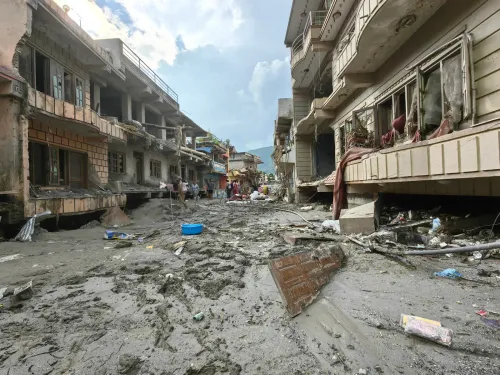
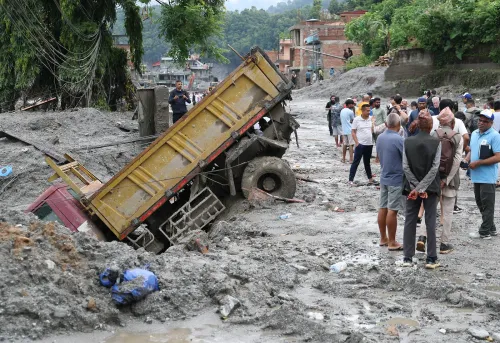
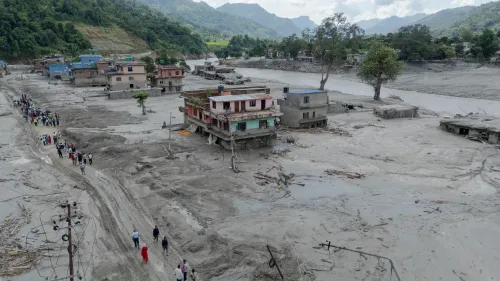
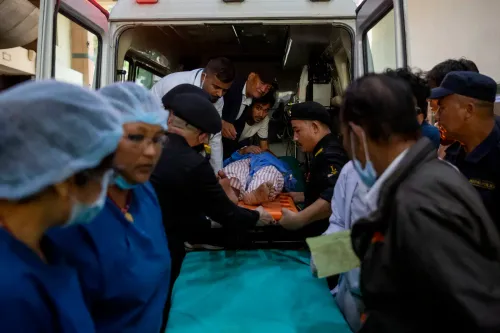
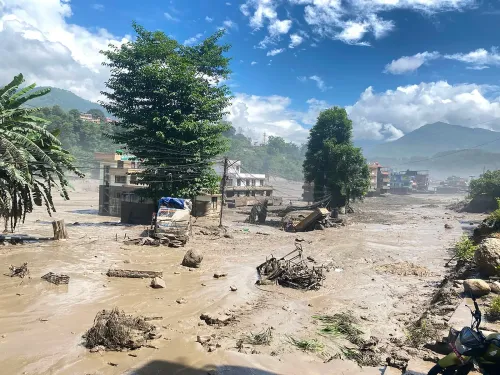
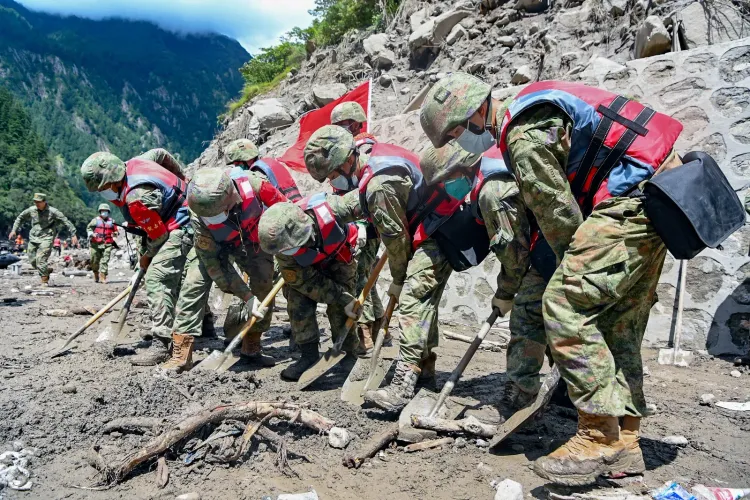
Nepali authorities have decided to bury 229 unidentified and unclaimed bodies recovered in the southern Chitwan district following the catastrophic Bhote Koshi River floods of 26 August, citing mounting infection risks and the rapidly deteriorating condition of the remains. The decision, announced on Saturday, marks one of the most difficult post-disaster management challenges Nepal has faced in recent memory.
Scale of the Disaster
According to the National Disaster Risk Reduction and Management Authority (NDRRMA), a total of 626 bodies had been recovered from the floods as of Saturday at 10 am. Of these, the highest single-district count — 233 bodies — was recorded in Chitwan, underscoring the region's disproportionate exposure to the floodwaters that swept through on 26 August.
Why Authorities Ordered Burial
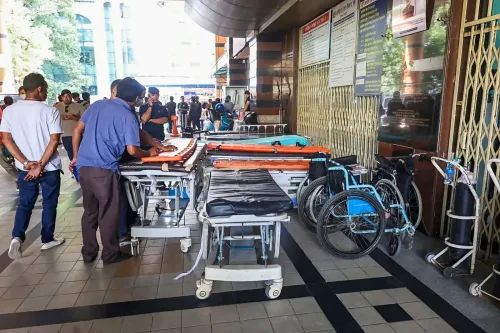
Hospitals in Chitwan have the capacity to store only around 30 bodies for an extended period at any given time, according to a senior official at the District Administration Office (DAO), Chitwan. As the death toll climbed, authorities were forced to use a private house as a makeshift cooling centre — which itself ran out of space.
'As the number of dead bodies piled up, we used a house as a cooling centre where the bodies were kept,' the official said. 'As the house also ran out of space, we had no alternative but to bury them.'
Health experts warned that accelerating decomposition and the foul odour emanating from bodies held under temporary arrangements posed a serious risk of infection and potential epidemic spread. Acting on those warnings, the District Security Committee, Chitwan, formally resolved on Saturday to inter all unidentified and unclaimed remains.
Where and How the Burials Will Proceed
The District Administration Office, Chitwan, issued a public notice stating that burials would begin in an open area in Devghat, located in Ward No. 1 of Bharatpur Metropolitan City. The process is to follow international humanitarian guidelines and comply with the Unidentified and Unclaimed Bodies Management (First Amendment) Directive, 2083.
Crucially, DNA samples will be collected from every body before burial, and each set of remains will be assigned an identification or reference number. Authorities said these records would be maintained to facilitate possible future identification — offering some recourse to families still searching for missing relatives.
What Comes Next
The scale of the Bhote Koshi floods has stretched Nepal's disaster response infrastructure to its limits. With recovery operations still ongoing and the monsoon season far from over, the risk of further displacement and casualties remains. The DNA documentation process will be central to any future effort to reunite unidentified remains with grieving families, though experts caution that cross-border identification — given reports of foreign nationals among the missing — could complicate the process significantly.
Point of View
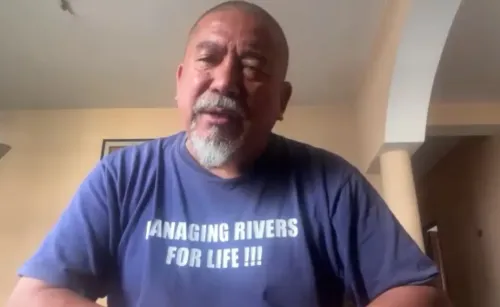
And the Bhote Koshi floods have exposed that gap with brutal clarity. The DNA documentation protocol is the right call, but its value depends entirely on a functioning, funded identification process that Nepal has yet to demonstrate it can sustain post-crisis. With the monsoon season ongoing and cross-border missing-persons cases likely in the mix, the identification backlog could stretch for years — and without international forensic support, many families may never get closure.
NationPress
13 Oct 2026
Frequently Asked Questions
Why is Nepal burying unidentified flood victims in Chitwan?
Authorities ordered the burial of 229 unidentified bodies because hospitals in Chitwan can store only around 30 bodies at a time, and a makeshift cooling centre in a private house also ran out of space. Health experts warned that decomposing remains posed a serious infection and epidemic risk, prompting the District Security Committee to act.
How many people died in the Nepal Bhote Koshi floods?
As of Saturday at 10 am, the NDRRMA had recorded 626 bodies recovered from the floods that struck on 26 August. Chitwan district alone accounted for 233 of those, the highest count of any single district.
Will families be able to identify the buried flood victims later?
Yes, authorities plan to collect DNA samples from all bodies before burial and assign each set of remains an identification or reference number. These records will be maintained to support future identification efforts, though the process may be lengthy, particularly for any foreign nationals among the deceased.
Where will the unidentified bodies be buried?
The burials will take place in an open area in Devghat, Ward No. 1 of Bharatpur Metropolitan City in Chitwan district. The District Administration Office, Chitwan, confirmed the site in a public notice issued on Saturday.
What legal framework governs the burial of unidentified bodies in Nepal?
The burials will comply with the Unidentified and Unclaimed Bodies Management (First Amendment) Directive, 2083, and follow international humanitarian guidelines for handling unidentified remains in disaster situations.