What Changes Lie Ahead for Nepal After K.P. Sharma Oli's Exit?
Synopsis
With the recent appointment of interim Prime Minister Shushila Karki in Nepal, the nation is poised for a shift in political dynamics. This article explores the implications of Karki's leadership for Nepal-India relations amidst ongoing security concerns and a historical backdrop.
Key Takeaways
Leadership transition in Nepal signifies potential changes in diplomatic relations with India.
Instability in Nepal poses security challenges for India.
Immediate support from India is crucial for strengthening ties with the new leadership.
Karki's anti-corruption reputation may guide her governance priorities.
Historical context plays a significant role in shaping current Nepal-India relations.
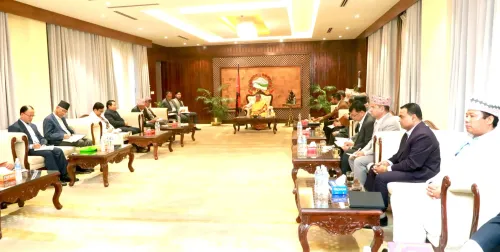
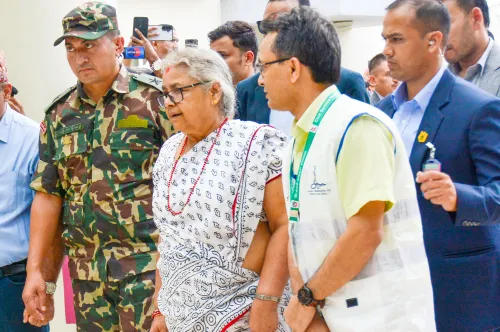
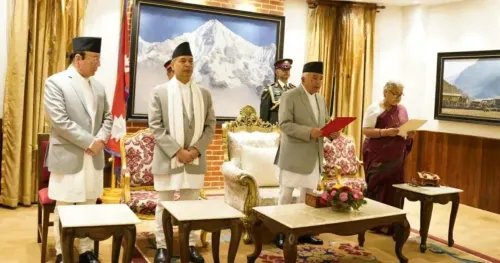
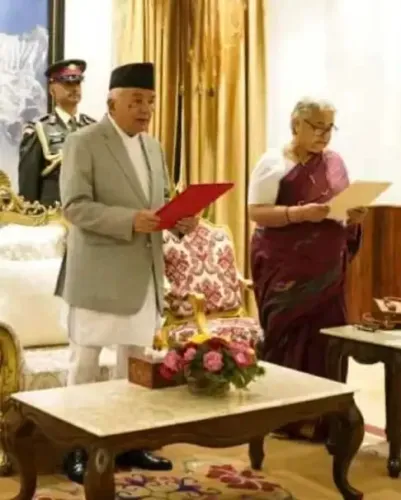
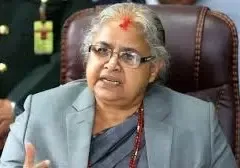
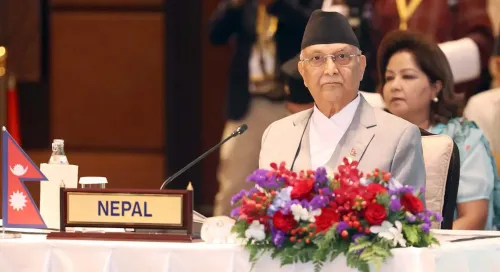
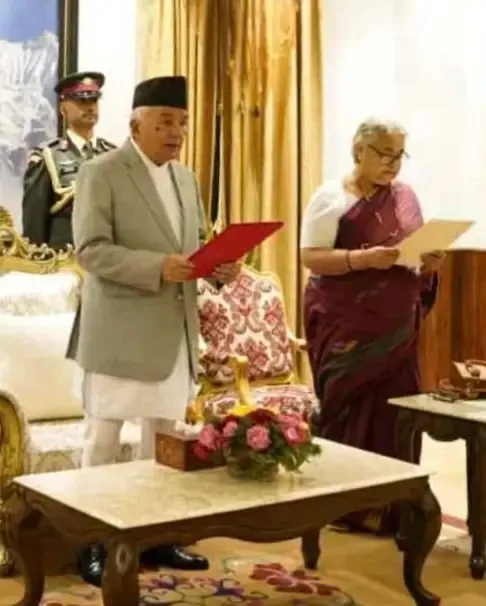
New Delhi, Sep 13 (NationPress) Serenity has returned to Nepal following the inauguration of a new interim Prime Minister, Shushila Karki, who previously served as the Chief Justice of the nation. This shift comes in the wake of violent demonstrations that erupted due to unrest among the Gen Z demographic, leading to the resignation of Prime Minister K.P. Sharma Oli and several ministers.
Many anticipated a prolonged crisis; however, a decisive message was conveyed by President Ramchandra Paudel and Nepal’s army chief, General Ashok Raj Sigdel. The President urged Gen Z representatives to expedite the appointment of a leader, emphasizing the importance of adhering to the Constitution and swiftly restoring normalcy. He cautioned against delaying the leadership selection to avoid future blame for any ensuing chaos.
With this leadership transition, India is poised to enhance its involvement in Nepal. Officials indicate that a diplomatic recalibration is imminent, and New Delhi hopes that Sushila Karki will be more amenable to collaboration than her predecessor, Oli.
For India, the priority is to act swiftly and revitalize diplomatic ties. It is imperative for Gen Z to understand the significance of Nepal’s relationship with India, making immediate support crucial, according to officials.
Under Oli, who leaned towards China, an anti-India sentiment was prevalent. New Delhi recognizes the increased Chinese engagement with Nepal in recent years. This presents an opportunity for India to reshape perceptions in Nepal and strengthen ties with the new leadership.
Despite a long-standing historical relationship with Nepal, recent years have seen some strain. Maintaining robust relations with Nepal is essential, not only from a diplomatic standpoint but also for security reasons. Intelligence agencies warn that instability in Nepal could directly impact India’s security landscape. The ISI has utilized the Nepal route for infiltration into India on multiple occasions, thriving amidst any unrest. Such scenarios pose significant security challenges as Nepalese agencies may be preoccupied with domestic issues, diverting focus from border management. The onus would then fall solely on Indian agencies, complicating border control efforts.
With a new administration in place, India aims to tackle these challenges and expedite border development projects that benefit both nations.
While Karki may lack extensive political experience, she is recognized for her staunch anti-corruption stance. Given the prevailing situation in Nepal, her immediate focus may not be foreign diplomacy but rather the restoration of stability and the formulation of her country’s political trajectory.
Indian officials express optimism that relations will improve under her leadership. She is cognizant of the historical ties shared between the two nations and India’s supportive role in numerous instances.
Karki has personal ties to India as well. During her time at the Banaras Hindu University in Varanasi, she met Durga Prasad Subedi, her future husband, who was involved in significant political events, including the hijacking of a Nepal Airlines flight in June 1973. This incident involved a substantial sum of 4 million Nepalese Rupees, which was subsequently used to fund the Nepali Congress’s armed resistance against the monarchy. Girija Prasad Koirala, who received the funds, later became a four-time Prime Minister of Nepal.
Point of View
It is essential to approach this situation with a commitment to our audience and an understanding of the complexities involved. The leadership change in Nepal presents both challenges and opportunities for India, necessitating a balanced perspective that acknowledges historical ties while prioritizing national security.
NationPress
22 Sept 2026
Frequently Asked Questions
What are the implications of Shushila Karki's leadership?
Karki's leadership could signify a shift towards improved relations with India, especially after the anti-India sentiment during Oli's tenure.
How does Nepal's instability affect India's security?
Instability in Nepal could lead to increased security risks in India, particularly with the ISI exploiting the situation for infiltration.
What role does India play in Nepal's political landscape?
India has historically supported Nepal in various capacities, and its involvement will be crucial in navigating the new political environment.
What is Karki's stance on corruption?
Shushila Karki is recognized for her strong anti-corruption stance, which may influence her priorities as Prime Minister.
How did Karki's personal experiences shape her political journey?
Karki's connections to India, particularly her marriage to Durga Prasad Subedi, reflect her intertwined history with regional politics.