Netanyahu: Flydubai attacker was Islamist radical who planned to crash plane

Synopsis
Netanyahu has publicly declared the Flydubai attacker was Islamist-radicalised and intended a 9/11-scale crash — the most direct official attribution of motive yet. With Israel probing whether he was directed, and the UAE running a parallel criminal investigation, what appeared to be an isolated incident is rapidly acquiring the contours of a coordinated terror plot.
Key Takeaways
Israeli PM Benjamin Netanyahu confirmed on Friday that the Flydubai attacker underwent Islamist radicalisation and intended to crash the aircraft with all passengers on board.
Netanyahu compared the averted attack to the scale of 9/11 and warned that anyone who directed the attacker 'will pay a very heavy price.' UAE Advisor Anwar Gargash praised Indian pilot Smit Machchhar for his professionalism and courage during the 'dangerous terrorist act.' The UAE Ministry of Foreign Affairs has tasked a specialised public prosecutor team with investigating the incident and its links to terrorism.
The UAE asserted judicial jurisdiction as the aircraft is registered in the UAE, meaning UAE law applies even if the incident occurred outside its territory.
The UAE formally thanked Saudi authorities for their cooperation in handling the incident.
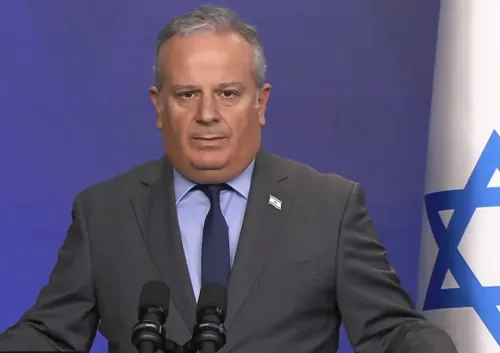
Israeli Prime Minister Benjamin Netanyahu on Friday, 3 October 2026 said the attacker in the Flydubai incident had undergone Islamist radicalisation and intended to crash the aircraft with all passengers on board, likening the averted disaster to the scale of 9/11. The statement, posted on X by the Office of the Prime Minister of Israel, marks the most explicit characterisation yet of the attacker's motive from a head of government.
Netanyahu's Statement
'As time passes, the picture is becoming clearer. Yaniv and his heroic companions prevented a disaster on the scale of 9/11. The attacker underwent Islamist radicalisation. He intended to crash the plane with all its passengers on board,' the Prime Minister's office stated, quoting Netanyahu directly.
Netanyahu added in a video message shared by his office: 'We are now investigating whether he was sent, and whoever sent him will pay a very heavy price.' The threat signals that Israel is treating the incident as a potential act of directed terrorism, though no formal attribution has been made yet.
UAE Praises Indian Pilot Smit Machchhar
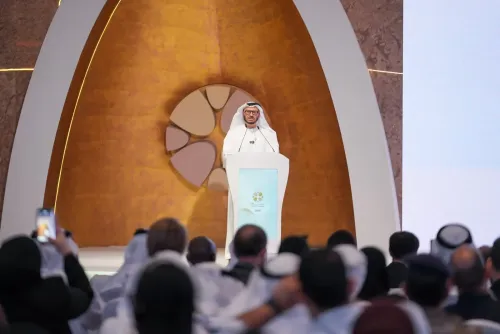
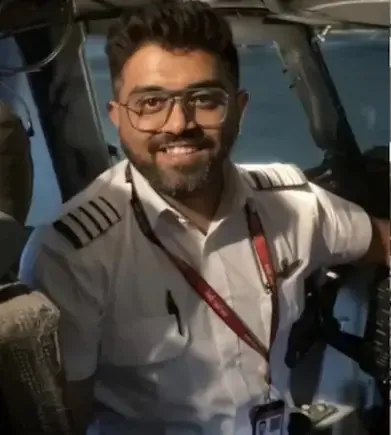
Separately, Anwar Gargash, Advisor to UAE President Mohammed bin Zayed, publicly praised Indian Flydubai pilot Smit Machchhar for his conduct during what Gargash described as Wednesday's 'dangerous terrorist act'. Writing on X, Gargash said: 'The Indian pilot at Flydubai, Smit Machchhar, deserves every bit of appreciation, for he embodied the meaning of courage and responsibility in the face of a dangerous terrorist act and a potential disaster. His professionalism and moral sense in the darkest of circumstances make him a true hero.'
Gargash also cautioned against reductive narratives, stating: 'Far from the easy reduction of what happened or the adoption and promotion of conspiracy theories, vigilance and caution remain essential in confronting the risks of extremism and terrorism.'
UAE Investigation Under Way
The UAE Ministry of Foreign Affairs confirmed on Thursday that a specialised team of public prosecutors has been tasked with investigating the incident. The ministry asserted UAE judicial jurisdiction over the probe, noting that the aircraft is registered in the UAE and flies its flag, meaning UAE law applies to offences committed on board even outside the country's territory.
The investigation, according to the ministry, will examine all aspects of the incident — including its motives, whether there was any connection to terrorist activity or intent, and whether prior planning or external direction was involved. The UAE also formally expressed gratitude to Saudi authorities for their cooperation and handling of the incident, suggesting the aircraft may have been in Saudi airspace or territory when the situation was resolved.
Context and Significance
The Flydubai incident — which occurred on Wednesday — has drawn international attention for the speed with which it was averted and the cross-border cooperation it required. Netanyahu's invocation of 9/11 is notable: it places the episode within the highest tier of aviation terrorism risk and signals Israel's intention to treat the investigation as a national security matter. This is the first time a major head of government has publicly confirmed an Islamist radicalisation angle in the case.
For India, the story carries additional resonance: pilot Smit Machchhar's actions have drawn praise at the highest diplomatic levels from a Gulf nation that hosts a large Indian diaspora, reflecting the quiet but critical role Indian aviation professionals play across the Middle East.
The UAE investigation is ongoing, and formal findings — including whether the attacker acted alone or under direction — are expected to shape the international response in the days ahead.
Point of View
Not a throwaway line — it signals Israel's intent to treat this as a state-security event, not a lone-wolf criminal matter. The pivot to 'whether he was sent' is the critical question: if a directing hand is established, the geopolitical fallout will extend far beyond the UAE-Israel bilateral. The UAE's simultaneous assertion of exclusive judicial jurisdiction and its pointed thanks to Saudi Arabia are worth watching — they suggest the incident may have played out partly on Saudi soil, raising questions about regional intelligence coordination that neither government has addressed publicly. For India, pilot Smit Machchhar's recognition at the highest UAE diplomatic level is a quiet diplomatic win, but the bigger story is whether Indian nationals on the flight and Indian aviation professionals operating in Gulf airspace now face elevated threat assessments.
NationPress
2 Oct 2026
Frequently Asked Questions
What did Netanyahu say about the Flydubai attacker?
Netanyahu said the attacker underwent Islamist radicalisation and intended to crash the plane with all passengers on board, comparing the averted disaster to the scale of 9/11. He also warned that anyone who directed the attacker would 'pay a very heavy price,' indicating Israel is probing whether the attack was externally orchestrated.
Who is Smit Machchhar and why is he being praised?
Smit Machchhar is the Indian pilot of the Flydubai aircraft who helped avert what officials have described as a terrorist attack on Wednesday. UAE Presidential Advisor Anwar Gargash praised him on X for his 'professionalism and moral sense in the darkest of circumstances,' calling him a 'true hero.'
Is the UAE investigating the Flydubai incident?
Yes. The UAE Ministry of Foreign Affairs confirmed on Thursday that a specialised team of public prosecutors has been assigned to investigate the incident, including its motives, any links to terrorism, and whether prior planning or external direction was involved.
Which country has jurisdiction over the Flydubai investigation?
The UAE has asserted judicial jurisdiction, stating that since the aircraft is registered in the UAE and flies its flag, UAE law applies to crimes committed on board even outside the country's territory.
Has anyone been formally charged or identified as the attacker?
No formal charges or full identification of the attacker have been publicly confirmed as of Friday. Netanyahu referred to the individuals who foiled the attack — naming 'Yaniv' and his companions — but the attacker's full identity and any directing network remain under active investigation.