New Zealand Reports Two New Measles Cases Tied to International Travel

Synopsis
Auckland has identified two new measles cases linked to overseas travel, raising concerns about public health as New Zealand grapples with low vaccination rates. Health officials are tracing contacts and urging vigilance among travelers.
Key Takeaways
Two new measles cases reported in Auckland.
Linked to international travel.
Health officials are tracing contacts.
Low vaccination rates increase risk.
Vaccination remains the best prevention.
Wellington, February 24 (NationPress) – Auckland has reported two new cases of measles, both connected to international travel and originating from the same household, just three weeks after New Zealand announced the end of a previous outbreak.
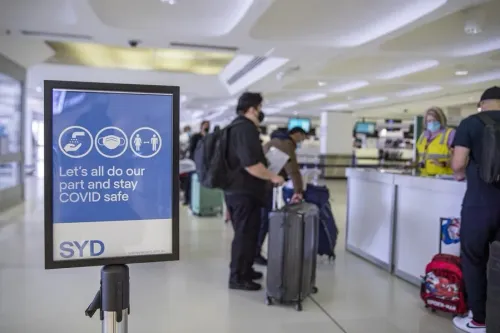
Key locations of interest include Singapore Airlines flight SQ281, which landed in Auckland on February 17, Auckland International Airport, and the emergency department waiting area at Waitakere Hospital, according to a statement from Health New Zealand issued on Tuesday.
Health officials are actively tracing contacts, especially those who sat near the affected individuals on the flight. They are advising anyone exhibiting measles-like symptoms to contact healthcare providers before arriving in person.
Despite the earlier outbreak being declared over earlier this month, health officials warn that New Zealand remains vulnerable due to low vaccination rates and ongoing international travel, as reported by Xinhua news agency.
Measles is recognized as one of the most contagious diseases globally, transmitted through contact with infected nasal or throat secretions (such as coughing or sneezing) or by inhaling air previously breathed by someone infected. The virus can stay active and contagious in the air or on surfaces for up to two hours, making it highly infectious. One measles case can lead to up to 18 secondary infections.
While anyone can contract measles, it is particularly prevalent among children.
The most effective method to prevent measles is through vaccination, which is safe and assists the body in combating the virus.
Prior to the introduction of the measles vaccine in 1963 and widespread vaccination campaigns, significant epidemics occurred approximately every two to three years, resulting in an estimated 2.6 million deaths annually.
In 2023, approximately 107,500 individuals succumbed to measles, primarily children under five, despite the availability of a safe and affordable vaccine.
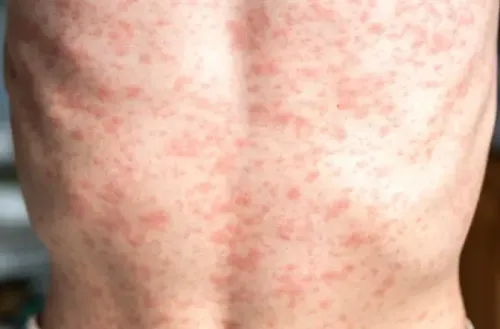
The initial symptoms of measles typically arise 10 to 14 days following exposure to the virus, with a distinct rash being the most noticeable sign.
Early symptoms generally persist for 4 to 7 days and include a runny nose, cough, red and watery eyes, and small white spots inside the cheeks.
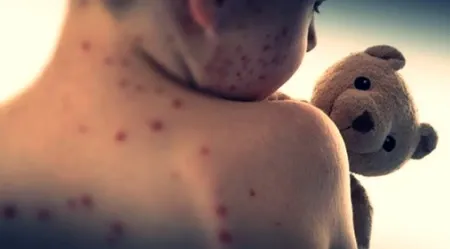
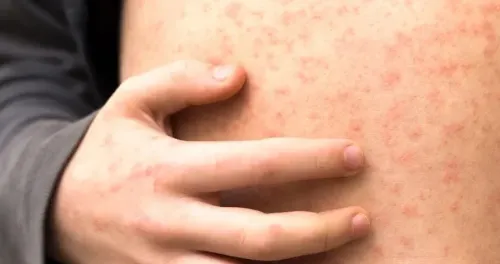
The rash usually appears 7 to 18 days post-exposure, beginning on the face and upper neck, before spreading to the hands and feet over approximately three days. It typically lasts 5 to 6 days before fading.
Point of View
It's crucial to highlight the ongoing challenges New Zealand faces regarding measles outbreaks, particularly in light of low vaccination rates. This situation underscores the importance of public health measures and vaccination to protect the community.
NationPress
24 Sept 2026
Frequently Asked Questions
What are the symptoms of measles?
Measles symptoms typically start 10-14 days after exposure and may include a runny nose, cough, red and watery eyes, and a distinct rash.
How is measles transmitted?
Measles is highly contagious and spreads through contact with infected nasal or throat secretions or by breathing air that infected individuals have exhaled.
What is the best way to prevent measles?
Vaccination is the most effective way to prevent measles and protect both individuals and the community.
How serious is a measles infection?
Measles can lead to severe complications, particularly in young children, including pneumonia and encephalitis.
When should I seek medical advice if I suspect measles?
If you exhibit symptoms of measles, contact your healthcare provider before visiting in person.