Nine killed as house collapses in Pakistan's Kohat amid monsoon rains
Synopsis
A house collapse in Pakistan's Kohat district during monsoon rains killed nine people — six women and three children — on the night of 14 July, trapping 23 under rubble. With the PDMA warning of rising dam inflows and flash floods already battering the region, this tragedy underscores the deadly annual toll of Pakistan's monsoon season on structurally vulnerable communities.
Key Takeaways
Nine people — including six women and three children — were killed when a house collapsed in Kohat district, Khyber Pakhtunkhwa on 14 July .
14 others were injured; some remain in critical condition, and the death toll may rise.
23 people were trapped under rubble; all were extracted by Rescue 1122 teams from Kohat and Karak.
The PDMA had warned of potential dam water releases due to rising inflows on the same day.
A separate building collapse in Lahore's Baghbanpura area on 2 July killed one child and injured five others.
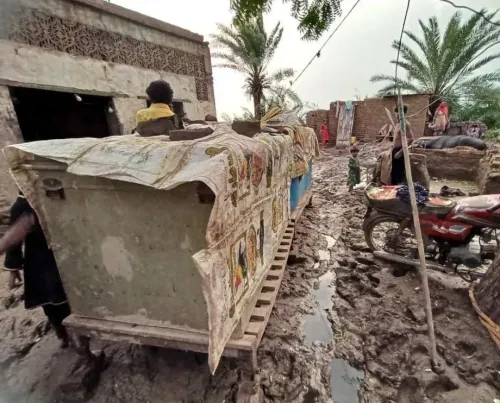
At least nine people were killed and 14 others injured after a residential house collapsed during heavy monsoon rainfall in the Kohat district of Khyber Pakhtunkhwa, Pakistan, on the night of Monday, 14 July, according to rescue officials. The victims were trapped under rubble in the Malgin area of Lachi, with rescue teams working through the night to pull survivors from the debris.
How the Collapse Unfolded
Torrential rainfall caused the structure to cave in, trapping 23 people beneath the wreckage, according to an official from Rescue 1122. Teams deployed from both Kohat and the neighbouring Karak district launched a coordinated rescue operation and successfully extracted all victims, shifting them to a nearby hospital.
Among the deceased were six women and three children. The Rescue 1122 official cautioned that the death toll could rise, as several of the injured remain in critical condition.
Monsoon Fury Across Khyber Pakhtunkhwa
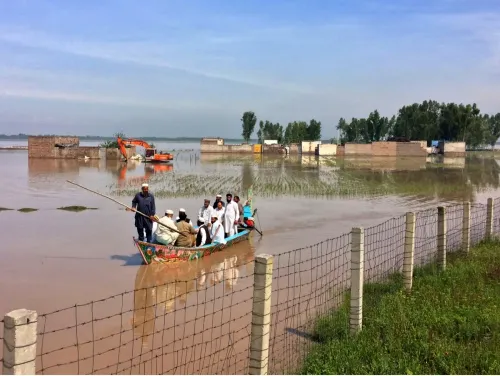
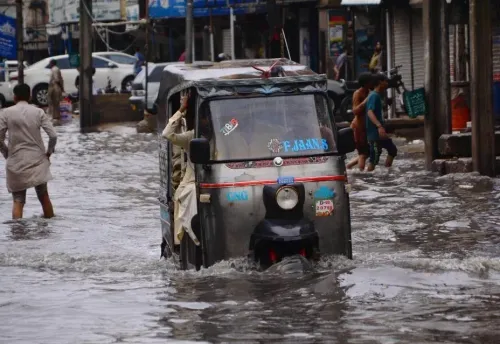
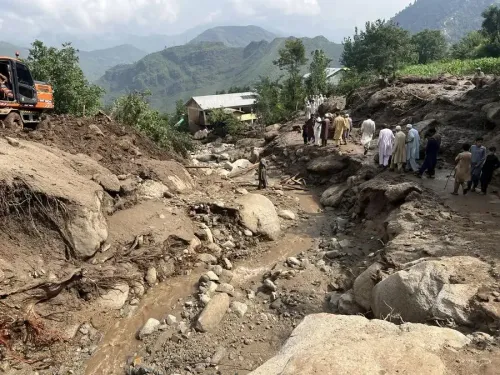
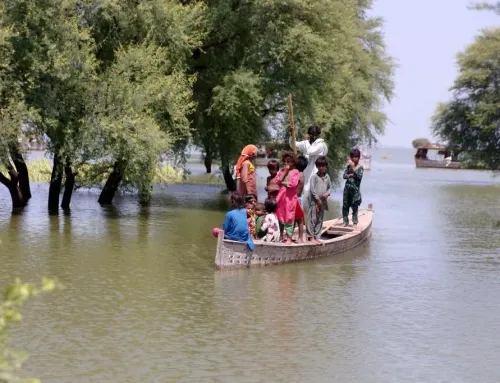
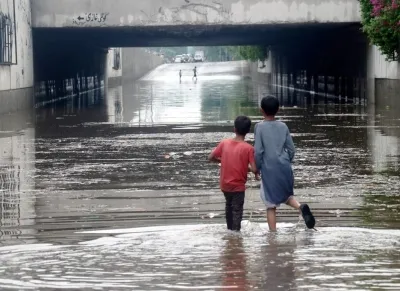
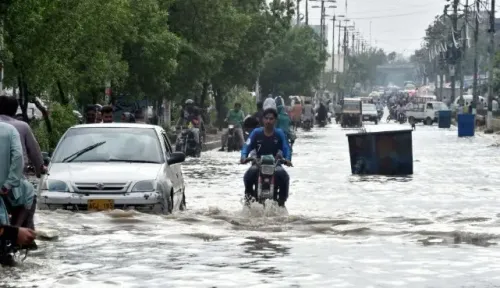
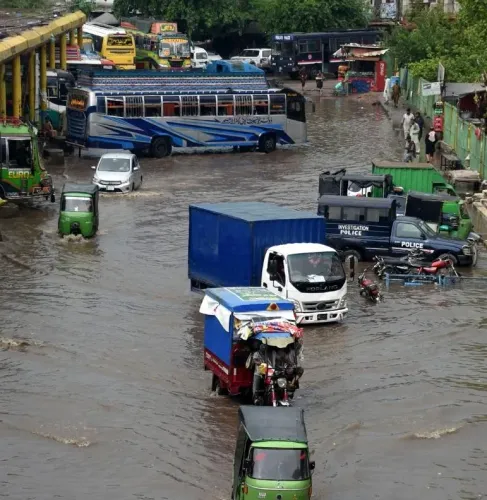
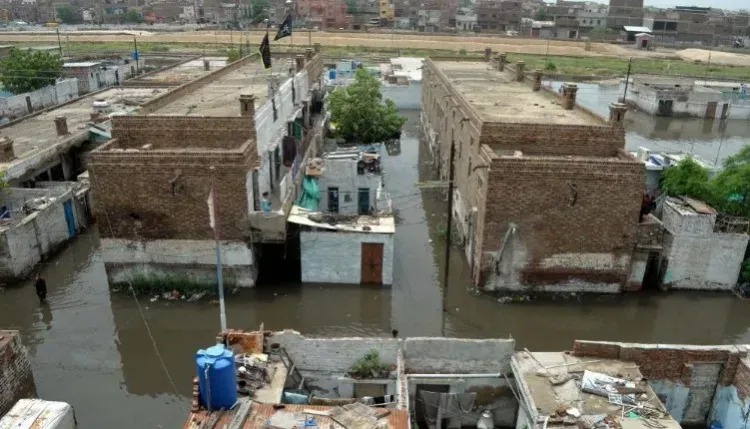
The Kohat tragedy is part of a broader pattern of monsoon-related destruction sweeping Pakistan this season. Flash floods triggered by relentless rains have damaged infrastructure and disrupted daily life across multiple regions of the country.
Earlier on 14 July, the Provincial Disaster Management Authority (PDMA) of Khyber Pakhtunkhwa had issued a warning that additional water could be released from dams over the following two days due to rising inflows — signalling that the crisis was far from over at the time of the collapse.
A Pattern of Structural Tragedies
This incident comes against the backdrop of recurring building collapses in Pakistan during the monsoon season. On 2 July, one child was killed and five others injured when part of a private school building collapsed in Lahore's Baghbanpura area. An under-construction wall and roof section gave way, killing the child at the scene; the injured included another child, two passersby, and two labourers working on the building's third floor. Authorities had launched an investigation into that incident.
Critics and urban planners have long argued that weak enforcement of building codes and inadequate drainage infrastructure leave communities in Pakistan disproportionately vulnerable to monsoon-related disasters each year.
What Comes Next
With the PDMA warning of continued high water levels and more rainfall expected, authorities face mounting pressure to pre-emptively assess and evacuate structurally vulnerable buildings across the province. The full scale of this monsoon season's toll on lives and infrastructure is still emerging.
Point of View
Coming just days after the Lahore school collapse, points to a systemic pattern: weak enforcement of building codes, poor drainage, and communities left to absorb risks that better-regulated construction would prevent. The PDMA's own warning about dam inflows on the same day as the collapse underscores how much advance notice authorities often have before disaster strikes — and how rarely that translates into pre-emptive action on ground-level structural vulnerabilities.
NationPress
12 Oct 2026
Frequently Asked Questions
What happened in Kohat, Pakistan on 14 July?
A residential house collapsed during heavy monsoon rainfall in the Malgin area of Lachi, Kohat district, Khyber Pakhtunkhwa, killing at least nine people and injuring 14 others. A total of 23 people were trapped under the rubble before rescue teams extracted all of them.
Who were the victims of the Kohat house collapse?
The nine deceased included six women and three children, according to Rescue 1122 officials. Fourteen others were injured, with some in critical condition, raising fears that the death toll could increase.
What is the broader context of this disaster?
The collapse occurred during Pakistan's active monsoon season, which has triggered flash floods, damaged infrastructure, and disrupted daily life across the country. The Provincial Disaster Management Authority had warned on the same day of potential water releases from dams due to rising inflows.
Was this an isolated incident or part of a pattern?
It follows a similar tragedy on 2 July, when a school building collapsed in Lahore's Baghbanpura area, killing one child and injuring five others. Building collapses during monsoon rains are a recurring crisis in Pakistan, often linked to weak enforcement of construction standards.
What action is being taken after the Kohat collapse?
Rescue teams from Kohat and Karak districts conducted the extraction operation and transferred victims to a nearby hospital. Authorities face pressure to inspect and evacuate structurally vulnerable buildings ahead of continued heavy rainfall forecast for the region.