Bangladesh rights groups condemn arrest over Lord Ram statue proposal
Synopsis
A Bangladeshi Hindu man who proposed an 81-foot Lord Ram statue at a temple in Gaibandha was arrested on a money laundering charge — days after extremist groups had campaigned against the statue. Rights organisations are now warning this could be a prisoner-of-conscience case, putting Bangladesh's treatment of religious minorities under fresh international scrutiny.
Key Takeaways
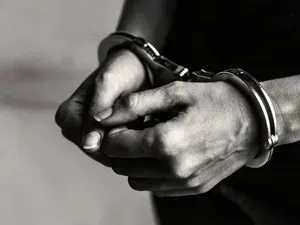
Haridas Chandra Tarani Das was arrested on 12 July from the Palashbari temple in Gaibandha district, Bangladesh , in connection with a money laundering case.
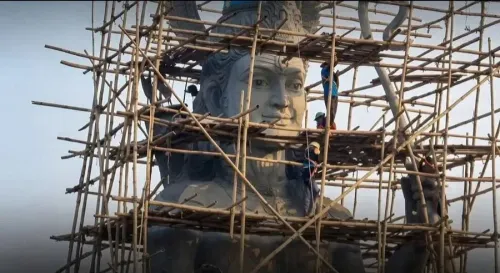
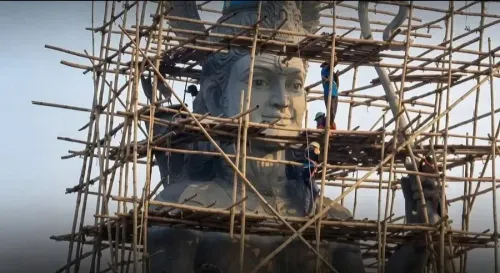
Das had proposed an 81-foot-tall Lord Ram statue at the Sri Sri Radha Govinda and Kali Temple , which had faced organised opposition from extremist communal groups.
The Bangladesh Hindu Buddhist Christian Unity Council called the arrest 'unfortunate and unacceptable' and demanded his immediate release.
The HRCBM warned the detention could constitute a 'prisoner-of-conscience case' if the financial charge is found to be a pretext.
Rights groups allege authorities failed to act against those who incited religious hatred while arresting the victim of those threats.
Multiple human rights organisations in Bangladesh have strongly condemned the arrest of Haridas Chandra Tarani Das, the man who proposed building an 81-foot-tall statue of Lord Ram at the Sri Sri Radha Govinda and Kali Temple in Palashbari upazila of Gaibandha district, calling the action 'unfortunate' and 'unacceptable'.
The Arrest
Das was taken into custody from the Palashbari temple premises on 12 July, in connection with a money laundering case registered the same night at Uttara West Police Station in Dhaka. CID Special Superintendent of Police (Media) Jasim Uddin Khan confirmed the arrest, stating that further details would be disclosed in due course, according to local media reports.
Rights Groups Respond
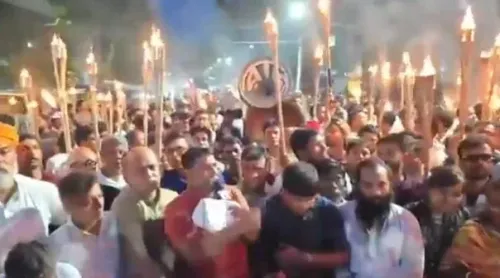
The Bangladesh Hindu Buddhist Christian Unity Council, a body that works against religious discrimination, alleged in a press statement that extremist communal groups had opposed the proposed statue for a considerable period, offended the religious sentiments of the Hindu community, and incited unwarranted religious hostility across the country.
The Council expressed grave concern that Bangladeshi authorities had failed to take punitive action against those responsible for inciting religious hatred and intolerance, even as Das himself had been subjected to communal threats and intimidation. 'The arrest of Haridas Chandra Tarani Das, who has himself been the target of communal threats and intimidation, was both unfortunate and unacceptable,' the Council said.
The Council has called on the authorities to immediately release Das, uphold justice, protect religious freedom, and take appropriate action against those spreading 'communal hatred' and threatening 'social cohesion.' It further argued that the arrest is 'inconsistent with the principles of democracy, the rule of law, and equal protection of citizens' rights.'
HRCBM Warns of Prisoner-of-Conscience Risk
The Human Rights Congress for Bangladesh Minorities (HRCBM) also condemned the arrest, noting that Das was detained following weeks of religiously charged tensions, extremist threats, and organised campaigns opposing the construction of the Lord Ram statue at the temple.
According to the HRCBM, it had previously warned Bangladeshi authorities that the Palashbari temple, the statue, devotees, and the surrounding Hindu community were facing organised pressure, intimidation, and demands for the removal of religious structures, as well as calls for action against Das.
'If the alleged financial case is shown to be a pretext used to punish him for peaceful religious activity, Hindu identity, or the visible construction of a Hindu religious monument, his detention would raise the clearest elements of a prisoner-of-conscience case,' the HRCBM stated.
Broader Context
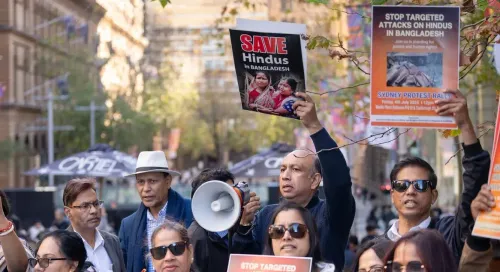
This comes amid a pattern of documented pressure on minority religious communities in Bangladesh. Rights organisations have repeatedly flagged incidents of temple vandalism, land encroachment, and communal intimidation targeting Hindus, Christians, and Buddhists. The proposed 81-foot Ram statue had reportedly become a flashpoint for organised opposition from extremist groups well before Das's arrest, making the timing of the money laundering case a subject of sharp scrutiny from civil society.
What Happens Next
Rights bodies are pressing for Das's immediate release and demanding accountability for those who allegedly incited religious hostility. How Bangladesh's interim authorities respond will be closely watched by minority rights advocates and regional observers alike.
Point of View
No state action against those inciting hatred, and then an arrest of the monument's proposer on a financial charge registered the same night he was detained. Rights groups are right to flag the optics. Bangladesh's authorities have an obligation to demonstrate that the money laundering case has independent evidentiary basis and is not a response to communal pressure. If that demonstration is not forthcoming, the international minority rights community will have grounds to treat this as a structural failure, not an isolated incident.
NationPress
12 Oct 2026
Frequently Asked Questions
Who is Haridas Chandra Tarani Das and why was he arrested?
Haridas Chandra Tarani Das is the person who proposed building an 81-foot-tall Lord Ram statue at the Sri Sri Radha Govinda and Kali Temple in Palashbari upazila, Gaibandha district, Bangladesh. He was arrested on 12 July in connection with a money laundering case registered at Uttara West Police Station in Dhaka.
Why are rights groups condemning the arrest?
Rights organisations argue that Das had been subjected to communal threats and intimidation by extremist groups opposed to the Ram statue, and that authorities took no action against those groups. They allege the money laundering charge may be a pretext to punish him for peaceful religious activity.
What is the Bangladesh Hindu Buddhist Christian Unity Council calling for?
The Council has called for Das's immediate release, protection of religious freedom, and punitive action against those responsible for spreading communal hatred and threatening social cohesion in Bangladesh.
What is the HRCBM's warning about a prisoner-of-conscience case?
The Human Rights Congress for Bangladesh Minorities stated that if the financial case is shown to be a pretext used to punish Das for his Hindu identity or for proposing a Hindu religious monument, his detention would meet the criteria of a prisoner-of-conscience case under international human rights standards.
What was the proposed Lord Ram statue and where was it to be built?
The proposed statue was to be an 81-foot-tall depiction of Lord Ram, to be constructed within the premises of the Sri Sri Radha Govinda and Kali Temple in Palashbari upazila of Gaibandha district in northern Bangladesh.