Bangladesh halts world's largest Ram statue construction amid extremist pressure
Synopsis
Bangladesh has suspended construction of what was to be the world's largest Ram statue in Gaibandha, allegedly under pressure from Islamist groups — a move that has drawn fierce condemnation from exiled author Taslima Nasreen and exposed the deepening vulnerability of the Hindu minority in a country with a documented history of temple attacks.
Key Takeaways
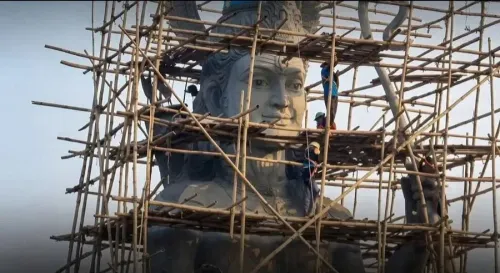
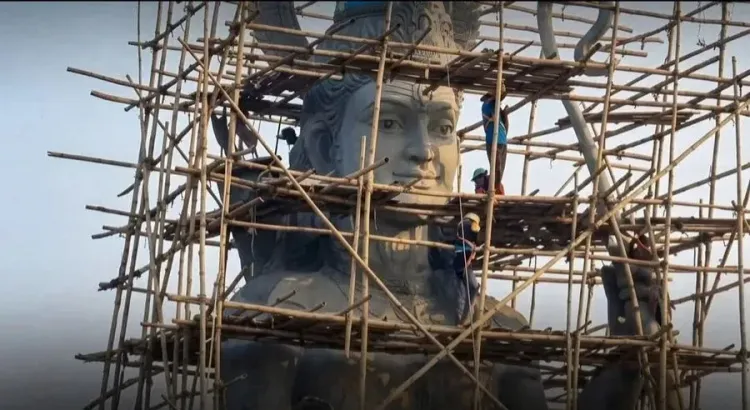
Bangladesh authorities ordered suspension of the world's largest Lord Ram statue at the Sri Sri Radha Govinda and Kali Temple in Palashbari, Gaibandha district .
Temple advisor Shyamal Kumar Mahant announced the halt at a press conference on Thursday evening .
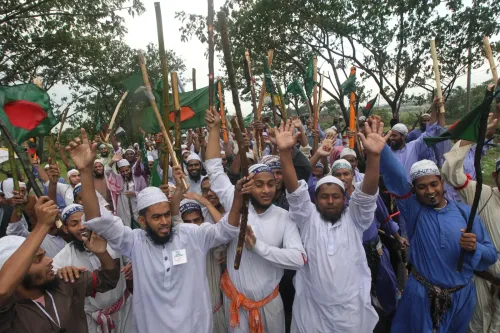
Critics allege the suspension came under pressure from Islamist extremist groups who protested the project.
Exiled author Taslima Nasreen condemned the threats on X , questioning why a single Hindu temple faces opposition in a country with several hundred thousand mosques.
Newspaper editor Salah Uddin Shoaib Choudhury also flagged the halt on X, citing 'massive protests of local jihadist and Islamist groups.' Palashbari has a prior history of attacks on Hindu temples and idol vandalism, compounding minority community concerns.
Authorities in Bangladesh have ordered the suspension of construction of what was projected to be the world's largest statue of Lord Ram at the Sri Sri Radha Govinda and Kali Temple in Palashbari upazila of Gaibandha district, according to local media reports. The halt was announced by temple advisor Shyamal Kumar Mahant at a press conference held at the temple auditorium on Thursday evening. Critics have alleged the suspension came under direct pressure from Islamist groups opposed to the project.
How the Decision Unfolded
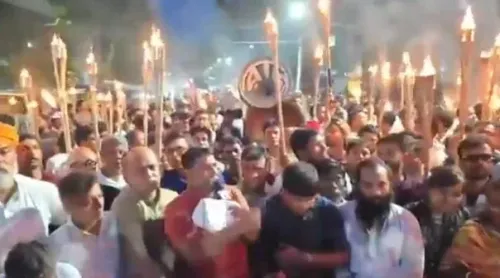
The construction, part of the broader Sanatan Complex project in Gaibandha, was suspended following what reports describe as sustained protests by local jihadist and Islamist groups. Mahant made the announcement publicly, signalling that temple authorities had yielded to mounting pressure. The decision has drawn widespread condemnation from Hindu minority rights advocates and free-speech campaigners.
Taslima Nasreen's Condemnation
Exiled Bangladeshi author and human rights activist Taslima Nasreen sharply condemned the threats and hostile rhetoric surrounding the project in a post on social media platform X. 'There are several hundred thousand mosques in Bangladesh, and new mosques continue to be built across the country. So why is there so much opposition to the construction of a single Ram temple or a statue of Lord Rama? If religious freedom is truly for everyone, then it should apply equally to minorities, not only to the majority,' she wrote.
Nasreen further stated: 'The threats, incitement, and hateful rhetoric directed against the Ram temple currently under construction in Palashbari, Gaibandha, are deeply concerning. No individual or group acquires the right to demolish another community's place of worship simply because they dislike it. In a state governed by the rule of law, religious disagreements are not resolved through violence or barbarism.'
She also drew comparisons with Muslim-majority nations such as Indonesia, the United Arab Emirates, Malaysia, and Oman, where large Hindu temples exist without being framed as threats to the state, questioning why a single temple in Bangladesh was being portrayed as an existential crisis.
Palashbari's History of Communal Violence
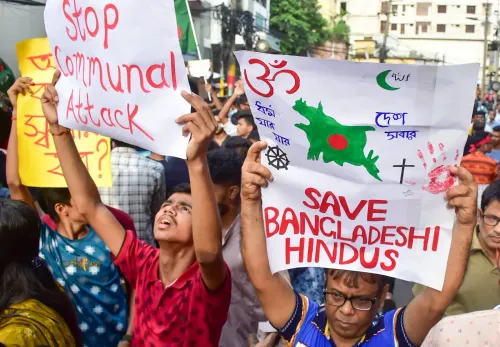
Nasreen highlighted that Palashbari has a documented history of attacks on Hindu temples and idol vandalism, which she said has left the Hindu minority community feeling particularly vulnerable. This context, observers note, makes the suspension of the Ram statue project more than a bureaucratic decision — it reflects a broader pattern of pressure on minority religious expression in the region.
Media and Civil Society Reactions
Salah Uddin Shoaib Choudhury, editor of Bangladeshi newspaper Blitz, also expressed grave concern over the halt. 'Amid massive protests of local jihadist and Islamist groups, authorities of the ongoing Sanatan Complex in Gaibandha district in Bangladesh have announced suspending all activities and stop building the idol of Lord Ram,' Choudhury posted on X.
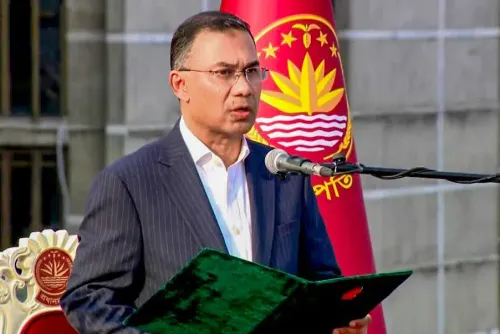
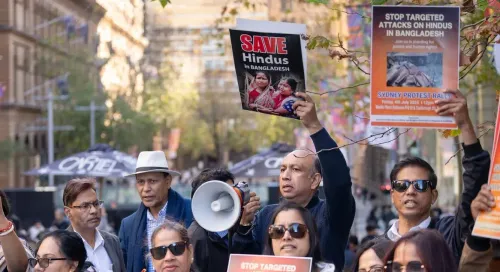
The episode has drawn attention to the condition of religious minorities in Bangladesh, particularly in the context of the country's political transition following the events of 2024. With no official government statement yet issued on the suspension, pressure is mounting on Dhaka to clarify its position on minority religious rights.
Point of View
And it appears to have failed. That temple authorities yielded to street pressure rather than receiving state protection signals a structural problem: minority religious expression in Bangladesh is increasingly subject to a veto by organised extremist groups. Taslima Nasreen's comparison with Indonesia, the UAE, and Oman is pointed — these are Muslim-majority states that have chosen pluralism over majoritarian anxiety. The silence from Dhaka's interim administration, which has yet to issue a formal statement, is itself a statement. India will be watching closely, and the episode will add fuel to an already fraught bilateral conversation about minority welfare in Bangladesh.
NationPress
26 Oct 2026
Frequently Asked Questions
Why has Bangladesh halted construction of the Ram statue in Gaibandha?
Temple authorities suspended construction of the world's largest Ram statue at the Sri Sri Radha Govinda and Kali Temple in Palashbari, Gaibandha, following sustained protests by local Islamist and jihadist groups, according to local media reports. Temple advisor Shyamal Kumar Mahant announced the decision at a press conference on Thursday evening.
What did Taslima Nasreen say about the Bangladesh Ram temple suspension?
Exiled author and human rights activist Taslima Nasreen condemned the threats and hostile rhetoric on X, questioning why a single Ram temple faces opposition in a country with several hundred thousand mosques. She argued that religious freedom must apply equally to minorities and that rule-of-law states do not resolve religious disagreements through violence.
What is the Sanatan Complex project in Gaibandha?
The Sanatan Complex in Gaibandha district was an ongoing construction project that included what was planned to be the world's largest statue of Lord Ram at the Sri Sri Radha Govinda and Kali Temple in Palashbari upazila. Authorities have now ordered all activities at the site suspended.
What is Palashbari's history regarding Hindu minority rights?
Palashbari has a documented history of attacks on Hindu temples and idol vandalism, according to Taslima Nasreen. This history has left the local Hindu minority community feeling particularly vulnerable, and the suspension of the Ram statue project has amplified those concerns.
Has the Bangladesh government issued an official statement on the suspension?
As of the latest reports, no formal government statement has been issued by Dhaka's administration on the suspension of the Ram statue construction. The absence of a response has drawn criticism from civil society voices and minority rights advocates.